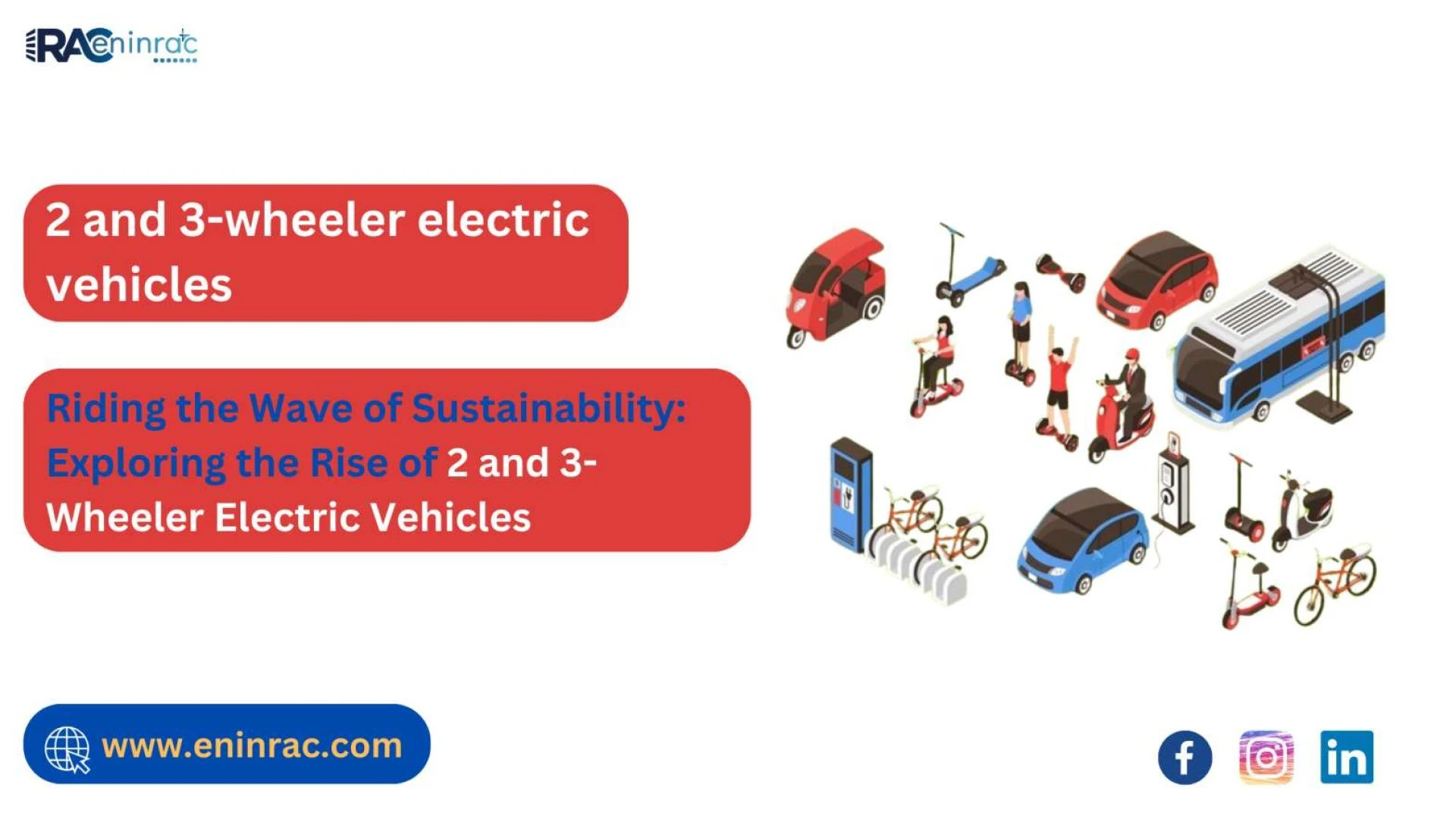

In the quest for a greener and more sustainable future, the automotive industry is undergoing a transformative shift towards electrification. Among the various segments, 2 and 3-wheeler electric vehicles (EVs) have emerged as frontrunners, offering efficient and eco-friendly mobility solutions. In this comprehensive blog, we delve into the dynamics driving the rise of 2 and 3-wheeler EVs, their benefits, challenges, and the outlook for their widespread adoption.
The Electric Evolution in Mobility
1. Environmental Imperative:
With concerns over climate change and air pollution reaching critical levels, the need for cleaner transportation alternatives has never been more urgent. 2 and 3-wheeler EVs present a compelling solution, emitting zero tailpipe emissions and significantly reducing carbon footprint compared to their internal combustion engine counterparts.
2. Technological Advancements:
Rapid advancements in battery technology, electric drivetrains, and lightweight materials have made electric vehicles more practical, affordable, and accessible than ever before. Improved energy density, faster charging capabilities, and extended range have addressed key concerns regarding EV performance and convenience, driving consumer acceptance.
3. Government Incentives and Policy Support:
Governments worldwide are implementing various incentives and policy measures to promote electric vehicle adoption. Subsidies, tax incentives, rebates, and favorable regulations for EVs are encouraging consumers to make the switch. Additionally, mandates for zero-emission zones and stricter emission standards are further accelerating the transition towards electric mobility.
Benefits of 2 and 3-Wheeler Electric Vehicles
1. Environmental Benefits:
By eliminating tailpipe emissions, 2 and 3-wheeler EVs help reduce air pollution and greenhouse gas emissions, contributing to cleaner air and a healthier environment. This is particularly significant in densely populated urban areas where air quality is a pressing concern.
2. Cost Savings:
Electric vehicles have lower operating costs compared to conventional vehicles powered by gasoline or diesel. With fewer moving parts, reduced maintenance requirements, and lower fuel costs per mile, EV owners can enjoy significant savings over the vehicle’s lifetime.
3. Noise Reduction:
Electric vehicles operate silently, offering a quieter and more peaceful urban environment. This is especially beneficial in congested urban areas, where noise pollution from traditional vehicles can be a major nuisance.
4. Energy Efficiency:
Electric drivetrains are inherently more energy-efficient than internal combustion engines, converting a higher percentage of energy from the battery into propulsion. This translates to greater energy efficiency and reduced energy consumption over the vehicle’s lifespan.
Challenges and Roadblocks
1. Infrastructure Limitations:
The widespread adoption of electric vehicles hinges on the availability of charging infrastructure. While significant progress has been made in expanding charging networks, gaps remain, particularly in rural and remote areas, hindering the adoption of 2 and 3-wheeler EVs.
2. Range Anxiety:
Despite improvements in battery technology, range anxiety— the fear of running out of battery charge before reaching the destination—remains a barrier to EV adoption. Addressing this concern requires further advancements in battery technology, as well as expanding fast-charging infrastructure.
3. Initial Cost:
While the long-term cost savings of electric vehicles are undeniable, the upfront purchase price of EVs can be higher than that of conventional vehicles. Despite government incentives and subsidies, the initial cost remains a barrier for many consumers, particularly in emerging markets.
The Future Outlook
1. Market Growth:
The market for 2 and 3-wheeler electric vehicles is poised for significant growth in the coming years. Increasing awareness of environmental issues, technological advancements, and government support will drive demand for EVs, leading to a more sustainable and eco-friendly mobility ecosystem.
2. Innovation and Collaboration:
Continued innovation in battery technology, lightweight materials, and electric drivetrains will further enhance the performance, range, and affordability of electric vehicles. Collaboration between automakers, battery manufacturers, and technology companies will spur innovation and accelerate the transition to electric mobility.
3. Global Adoption:
The shift towards electric mobility is a global phenomenon, with countries worldwide embracing electric vehicles as a key component of their sustainable transportation strategies. As EV infrastructure continues to expand and battery costs decline, 2 and 3-wheeler EVs will play an increasingly prominent role in shaping the future of urban mobility.
Conclusion
2 and 3-wheeler electric vehicles represent a paradigm shift in urban mobility, offering a cleaner, quieter, and more sustainable alternative to traditional gasoline-powered vehicles. While challenges remain, the momentum towards electrification is undeniable, driven by technological advancements, policy support, and growing consumer demand. With continued innovation and collaboration, electric vehicles will play a central role in shaping the future of transportation, paving the way towards a greener and more sustainable world.
More market research, advisory consulting services to discover
At Eninrac, we offer a wide range of, advisory consulting solutions, from We put ‘search’ in research to help expand your business with ease. Discover all the possibilities now.






























Sign in to leave a comment.