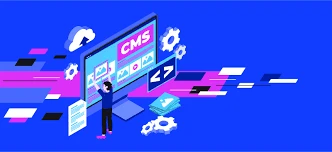
The Rise of Headless CMS in Enterprise Digital Strategy
In today’s omnichannel world, traditional content management systems often fail to deliver the speed and flexibility modern businesses demand. This is why enterprises are increasingly turning to headless CMS platforms—solutions that decouple content from presentation, enabling faster delivery and more control across devices and channels.
As we’ve explored in our guide on the Next Generation of Application Engineering, scalable, modular systems are critical to staying competitive in dynamic digital environments. Headless CMS plays a key role in building these flexible content ecosystems.
What Makes Headless CMS Different?
Unlike traditional CMS platforms that tightly bind backend and frontend, a headless CMS delivers content via APIs—allowing frontend developers to create rich user experiences without being limited by how content is stored.
This approach supports everything from websites and mobile apps to IoT devices and AR interfaces, giving brands the ability to truly deliver content anywhere.
Why Enterprises Are Adopting Headless CMS
- Speed to Market: Launch faster with reusable content blocks across channels
- Omnichannel Enablement: Push consistent content to websites, apps, kiosks, and more
- Tech Stack Freedom: Use modern frontend frameworks like React, Angular, or Vue
- Scalability: Easily handle spikes in demand across regions or campaigns
A recent report from CMSWire noted that enterprise adoption of headless CMS is growing due to the ability to future-proof digital content strategies while avoiding vendor lock-in.
Retail and eCommerce Are Leading the Way
Retail brands, especially in eCommerce, benefit significantly from headless CMS because they need localized, real-time content delivery at scale. From promotions to product listings, content needs to be updated in real-time across regions.
In fact, many are combining headless CMS with digital commerce architectures to create seamless, cross-device experiences that adapt quickly to customer behavior and seasonal trends.
As ZDNet explains, this decoupled model is rapidly becoming the standard for digital-first retailers looking to streamline frontend experimentation.
Challenges and Considerations
While headless CMS offers long-term agility, it does require a mindset shift:
- Content editors may need training to use visual content builders effectively
- Development teams need strong API integration skills
- Clear governance is needed to avoid content silos or inconsistencies
Still, when paired with modern DevOps workflows and cloud-native strategies, the benefits of headless CMS far outweigh the initial lift.
Conclusion: Future-Ready Content Architecture Starts Here
A headless CMS empowers enterprises to deliver dynamic content across touchpoints with unmatched speed and control. It aligns perfectly with composable and cloud-native approaches—essential for adapting in an evolving digital landscape.
Organizations working with TechBlocks gain a partner who understands both the tech stack and the business impact—ensuring your content infrastructure is built for what’s next.

























Sign in to leave a comment.