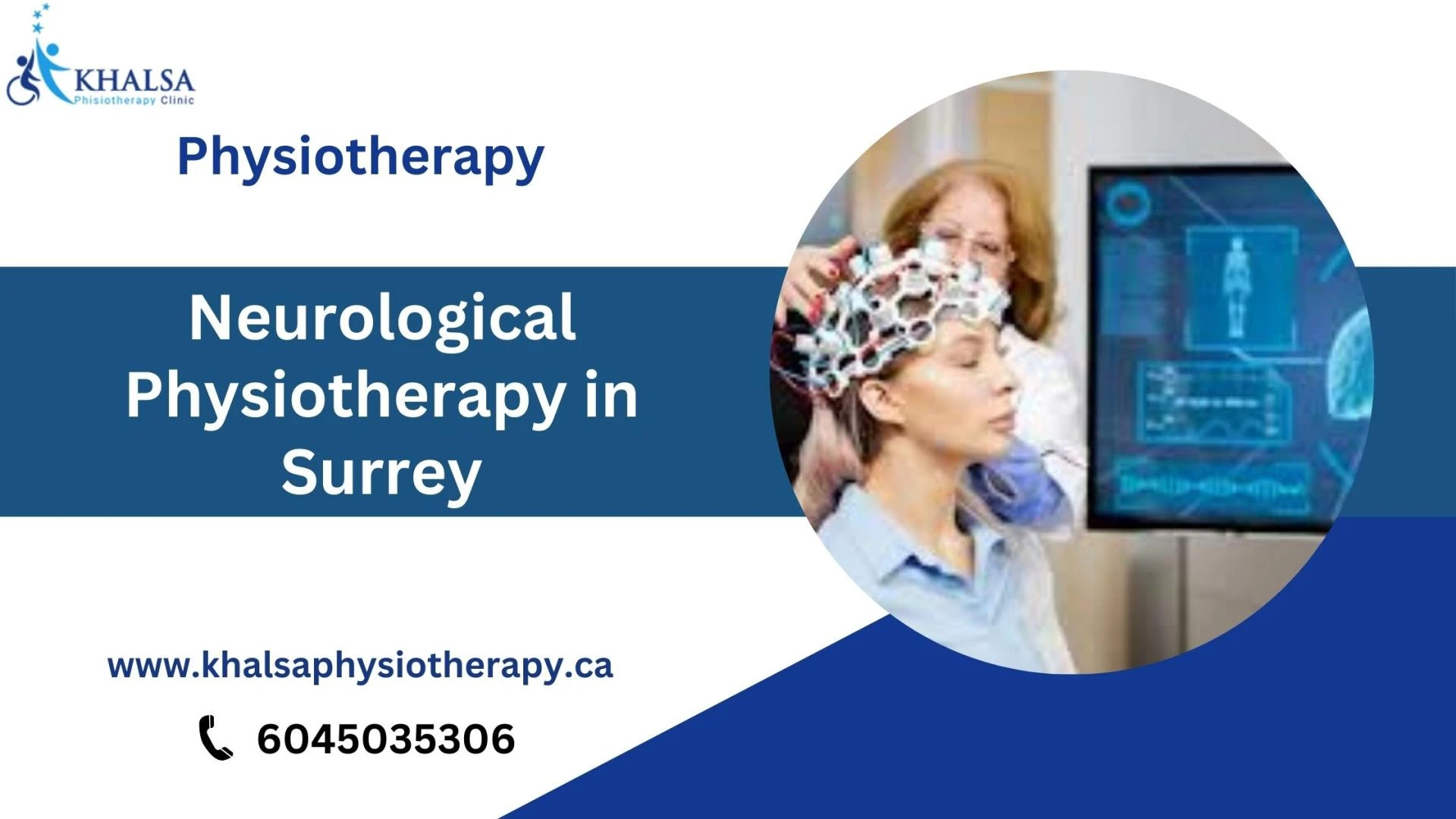
Neurological conditions such as stroke, Parkinson’s disease, multiple sclerosis, and traumatic brain or spinal injuries can significantly impact mobility, coordination, and independence. Recovery in such cases requires a structured and holistic approach. One of the most effective methods is Neurological Rehabilitation, where physiotherapy plays a central role in restoring function and improving quality of life.
Understanding Neurological Rehabilitation
Neurological Rehabilitation is a specialized program designed to support patients with damage or disorders affecting the nervous system. The focus is on helping individuals regain lost skills, adapt to physical limitations, and prevent secondary complications. A key component of this process is Neurological Physiotherapy, which uses evidence-based exercises to stimulate recovery, retrain movement, and enhance overall well-being.
Why Physiotherapy Exercise Matters in Neurological Healing
Physiotherapy exercises are not just about movement—they tap into the brain’s remarkable ability to rewire itself, a concept known as neuroplasticity. By consistently practicing targeted exercises, patients can form new neural pathways, allowing the body to regain strength, coordination, and balance.
Improving Mobility and Strength
Many neurological conditions weaken muscles or cause stiffness. Tailored physiotherapy exercises strengthen specific muscle groups, restore joint flexibility, and improve walking ability.
Enhancing Balance and Coordination
Loss of balance is common in neurological disorders. Exercises such as gait training and stability drills help patients walk more safely and reduce the risk of falls.
Pain and Spasticity Management
Neurological Physiotherapy often includes stretching and mobilization exercises that relieve stiffness and decrease involuntary muscle spasms, providing long-term comfort.
Boosting Confidence and Independence
Regular physiotherapy exercises not only improve physical ability but also build confidence. Patients often regain the capacity to perform daily tasks, enhancing their independence and emotional well-being.
Types of Physiotherapy Exercises in Neurological Rehabilitation
- Strength Training: Focused on building endurance in weakened muscles.
- Range of Motion Exercises: Prevent stiffness and improve flexibility.
- Balance and Coordination Drills: Such as standing exercises, step training, or supported walking.
- Task-Specific Training: Practicing everyday movements like climbing stairs or lifting objects.
- Aerobic Activities: Gentle cardiovascular exercises that improve circulation and brain health.
Each exercise plan is customized after assessing the patient’s condition, goals, and progress. This individualized approach ensures safety while maximizing recovery.
The Role of Therapists in Guiding Neurological Physiotherapy
The expertise of a trained physiotherapist is crucial in guiding neurological recovery. Therapists assess each patient’s neurological deficits and design a plan that evolves with their progress. They also educate patients and caregivers on safe home-based exercises, ensuring continuity beyond clinical sessions.
Long-Term Benefits of Physiotherapy in Neurological Healing
- Reduced risk of secondary complications such as contractures or pressure sores.
- Improved brain-body communication through consistent exercise.
- Enhanced mental health due to increased activity and independence.
- Better quality of life for patients and their families.
Conclusion
The journey of neurological healing is often challenging, but physiotherapy exercise provides a structured path toward recovery. Through targeted interventions, it promotes mobility, restores function, and builds confidence, helping patients reclaim their independence. For anyone seeking professional support in Neurological Rehabilitation and Neurological Physiotherapy, Khalsa Physiotherapy Clinic offers expert care with compassion and proven results. With a focus on personalized treatment and long-term recovery, the clinic continues to guide patients toward healthier, more fulfilling lives.


























Sign in to leave a comment.