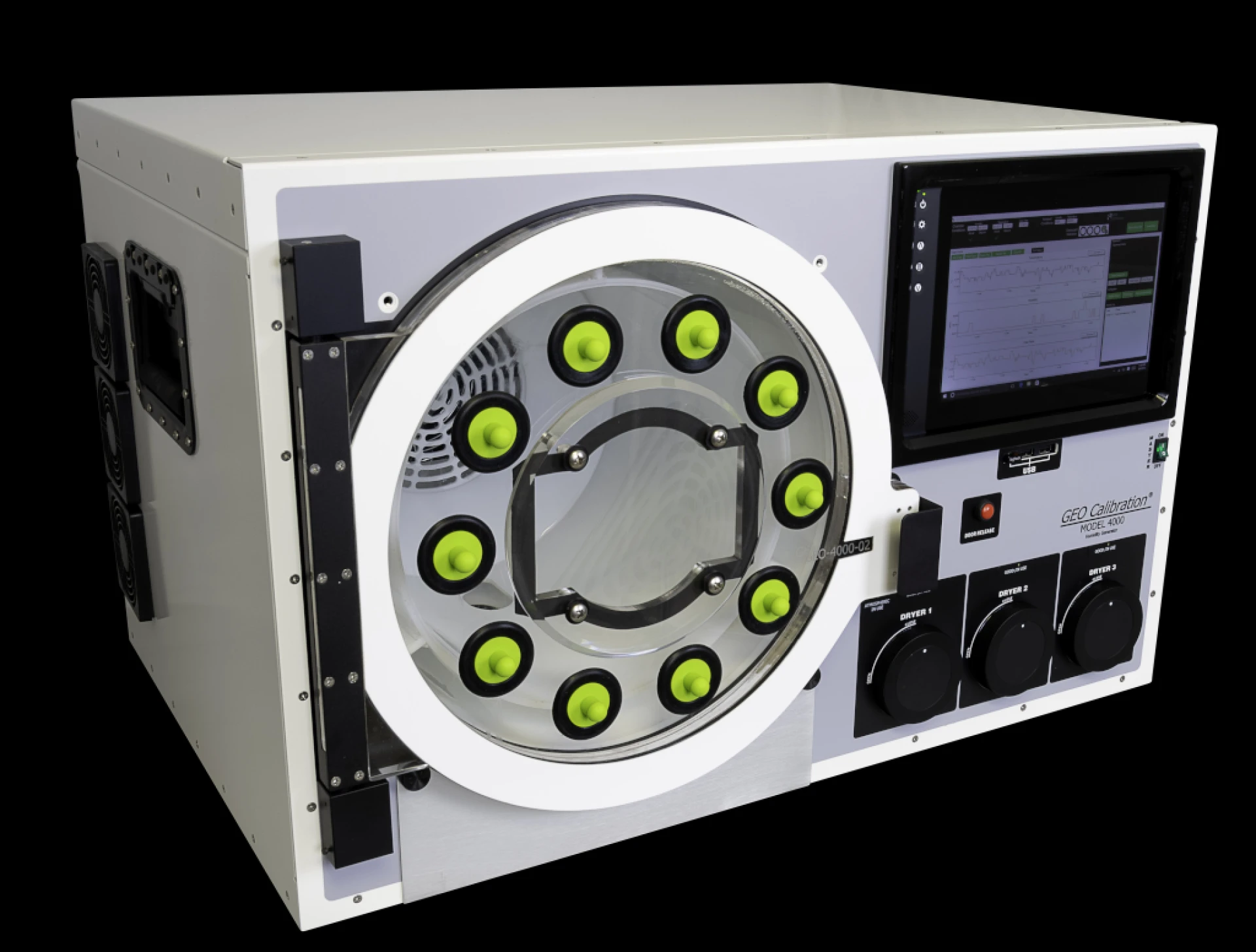

The energy industry is progressing towards adopting more sustainable energy sources, and solar energy is emerging as a leading choice among the available options. Stability tests are conducted on these solar cells to determine if they maintain their power conversion efficiency over a specified storage condition and a given period. Increasing research is also directed toward third-generation solar cells, which employ novel substances like perovskites and polymers, presenting many benefits.
Using polymer substrates in polymeric solar cells allows for greater design flexibility while offering the potential for higher efficiency beyond the theoretical limit of 30% seen in conventional silicon solar cells. Due to their remarkably high efficiency, perovskites solar cells are also attracting more attention; however, their imperfect stability still needs to be addressed. These solar cells' stability and storage life can be extended by maintaining specific humidity and temperature conditions during storage. It can be accomplished through the utilization of the automatic relative humidity calibration equipment.
The small sample size of these solar cells, partially attributed to the expensive components involved, makes them ideal candidates for testing in the hygro-remote relative humidity calibration equipment. One solution to combat solar cell degradation is encapsulating the cells with transparent glass, silicone, or plastic materials. Next, manufacturers must determine the optimal conditions and atmosphere for the encapsulated cells to ensure optimal performance and stability.
Hence, the hygro-remote humidity calibration equipment offers a dependable approach for assessing the optimal humidity and temperature required for storing the cells post-preparation.








Sign in to leave a comment.