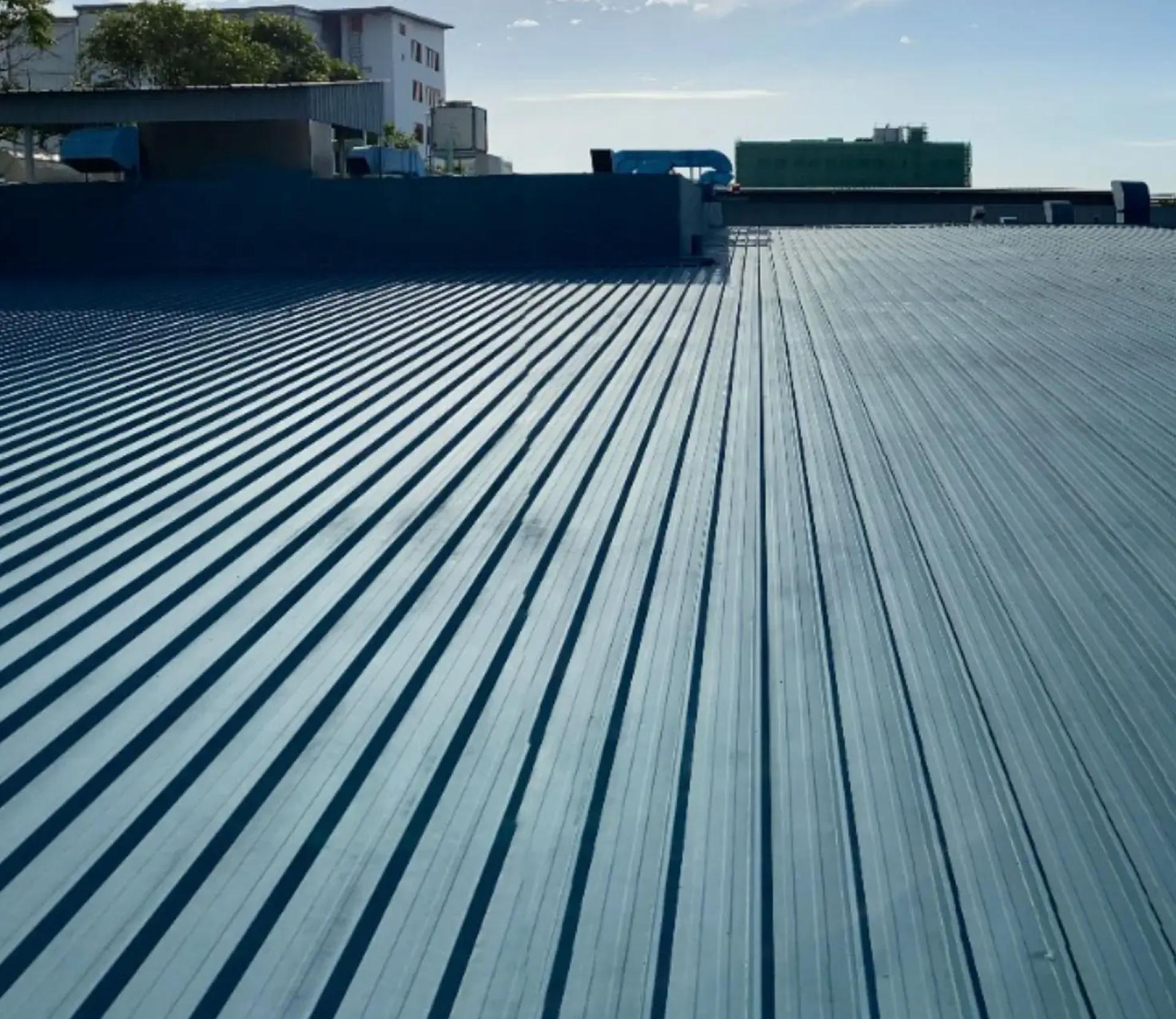
When it comes to protecting your home or building, roof waterproofing is one of the most important investments you can make. A waterproof roof acts as your first line of defense against rain, humidity, and unpredictable weather conditions. Without proper waterproofing, even minor leaks can cause structural damage, mold growth, and costly repairs.
That’s where the expertise of a waterproofing specialist comes in. Professionals in this field have the right tools, materials, and experience to identify potential vulnerabilities and apply the most effective waterproofing solutions.
Understanding Roof Waterproofing
What Is Roof Waterproofing?
Roof waterproofing is the process of applying protective coatings or membranes to prevent water from seeping through the roof structure. It not only extends the life of your roof but also protects your property’s interior from moisture damage.
Common roof waterproofing methods include:
- Liquid-applied membranes (such as polyurethane or acrylic coatings)
- Bituminous membranes
- Cementitious waterproofing
- EPDM rubber sheets for flat roofs
Each method offers unique benefits depending on the roof type, climate, and building structure.
Why Roof Waterproofing Is Essential
A properly waterproofed roof does more than just stop leaks. Here’s why it’s essential for every property:
- Prevents water infiltration that can damage walls, ceilings, and insulation.
- Reduces maintenance costs by preventing rust, mold, and rot.
- Improves building durability, especially during heavy rainfall or humidity.
- Enhances energy efficiency, as a sealed roof helps regulate indoor temperature.
Ignoring roof waterproofing can lead to long-term damage and higher repair costs down the line.
The Role of a Waterproofing Specialist
Why You Should Hire a Waterproofing Specialist
While some homeowners attempt DIY waterproofing, hiring a waterproofing specialist ensures the job is done correctly and efficiently. These experts conduct a thorough inspection before starting any work, identifying weak spots and selecting the most suitable materials for your roof type.
A qualified specialist will:
- Evaluate your roof’s condition and identify hidden leaks.
- Recommend the best waterproofing system for your specific needs.
- Apply the waterproofing layer using professional-grade tools and techniques.
- Provide long-term maintenance guidance to prevent future issues.
By relying on a professional, you can ensure that your waterproofing system performs effectively for years.
Key Qualities of a Good Waterproofing Specialist
Choosing the right waterproofing specialist can make all the difference. Look for these essential qualities:
- Experience and certification in roof waterproofing systems.
- Use of high-quality materials that comply with local standards.
- Transparent inspection and reporting process.
- Warranty or service guarantee for peace of mind.
A professional specialist won’t just fix the problem temporarily; they’ll design a long-term waterproofing plan that fits your roof’s specific needs.
Best Practices for Roof Waterproofing
Regular Roof Inspections
Scheduling regular inspections helps detect early signs of water damage before they become major issues. Cracks, blisters, or discoloration on the roof surface are common warning signs that it’s time for professional waterproofing.
Choosing the Right Waterproofing Material
Different roofs require different materials. For example:
- Flat roofs often use bituminous or liquid-applied membranes.
- Pitched roofs benefit from cementitious coatings or sealants.
- Metal roofs may need elastomeric coatings to handle thermal expansion.
A waterproofing specialist can assess your roof type and recommend the best material for maximum protection and cost-effectiveness.
Maintenance After Roof Waterproofing
Even the best waterproofing systems need periodic maintenance. Cleaning your roof, clearing debris, and checking drainage systems regularly can prevent water buildup and preserve the coating’s integrity.
A specialist can perform scheduled maintenance to ensure your waterproofing layer remains effective over time.
Final Thoughts
Roof waterproofing is not just a one-time project—it’s an ongoing commitment to maintaining your property’s structural health. Partnering with an experienced waterproofing specialist ensures your roof is properly sealed, leak-free, and durable enough to withstand any weather condition.
Whether you’re dealing with an old roof or building a new one, investing in professional waterproofing is one of the smartest ways to protect your property for the long term.
FAQs
Q1. How long does roof waterproofing last?
Depending on the material used, roof waterproofing can last between 5 to 15 years with proper maintenance.
Q2. Can I waterproof my roof myself?
DIY waterproofing may work temporarily, but hiring a waterproofing specialist guarantees durability, correct application, and a professional finish.
Q3. How can I tell if my roof needs waterproofing?
Look for water stains, damp patches on ceilings, or visible cracks on the roof surface—these are signs it’s time to consult a specialist.
Q4. What’s the best waterproofing solution for flat roofs?
Liquid-applied or bituminous membranes are highly effective for flat roofs, providing strong adhesion and flexibility.
Q5. How often should I inspect my waterproofed roof?
It’s recommended to inspect your roof at least twice a year, especially before and after the rainy season.



















Sign in to leave a comment.