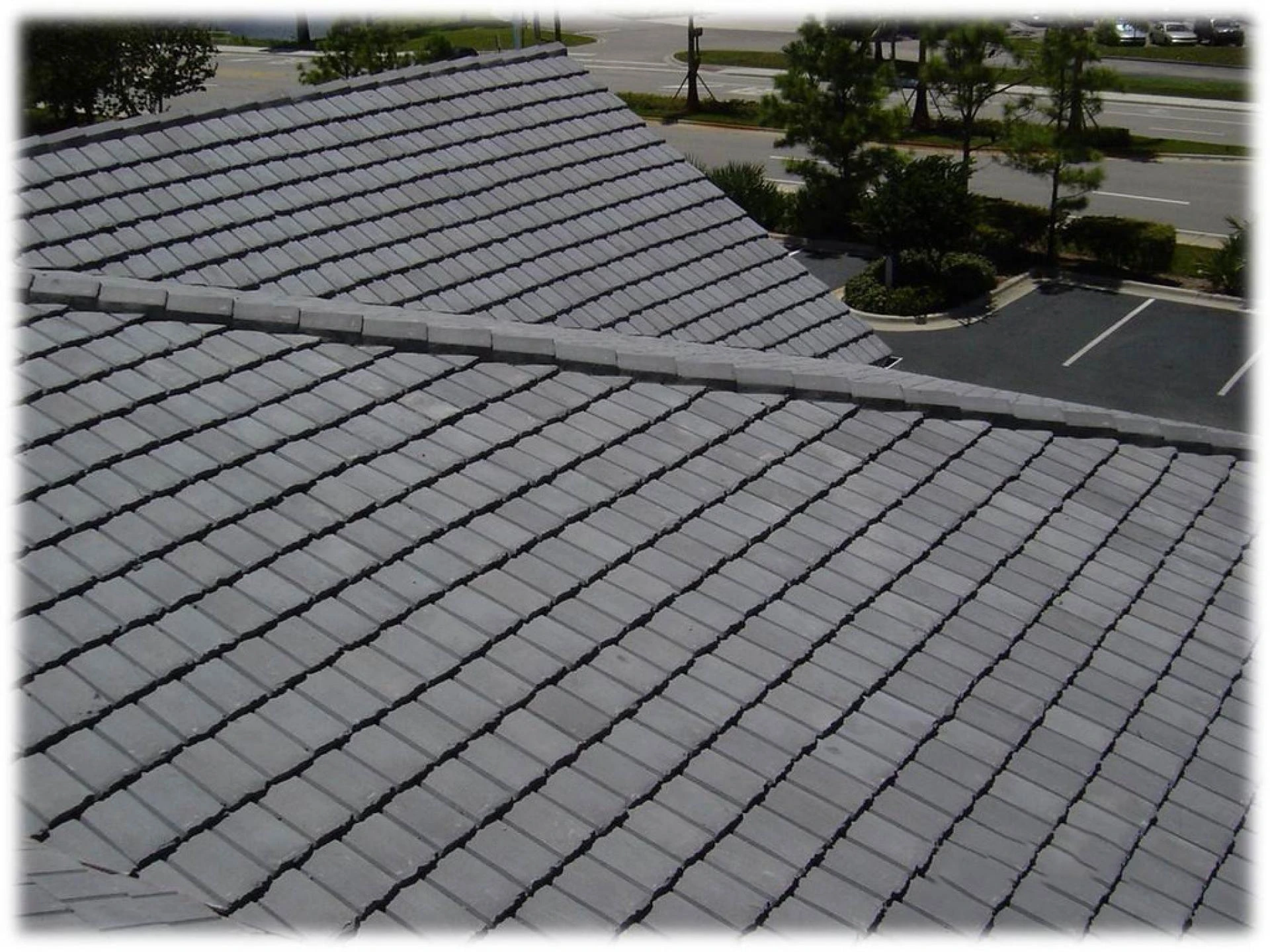

A roofing contractor Bryan does far more than replace shingles or roll out a membrane. In the Brazos Valley, roofs face months of heat, bursts of wind-driven rain, hail, and the occasional freeze that stresses every seam and fastener. The right contractor treats the roof as a system—decking, underlayment, flashings, vents, and finish materials working together—so your home or business stays dry, efficient, and resilient year after year. Understanding how Bryan’s climate affects roofs, what quality workmanship looks like, and which upgrades matter most helps property owners make confident decisions that hold up through the seasons.
What Bryan’s Climate Demands of a Roof
Central Texas weather is defined by swings. Long, sunny stretches push rooftop temperatures far above the air temperature, accelerating the loss of granules from asphalt shingles and drying out sealants around penetrations. Spring and late-summer thunderstorms arrive quickly, sending wind-driven rain at valleys, step flashing, skylights, and roof-to-wall intersections. Hail can bruise shingle mats and dent ridge vents or metal accessories. Short cold snaps add expansion and contraction cycles that open marginal seams on both steep-slope and low-slope sections. A contractor who works in Bryan every week designs details to meet these stressors, specifying impact-rated shingles where appropriate, high-temperature underlayment in vulnerable zones, and balanced ventilation to purge heat and moisture from the attic.
Residential Roofing: Repairs that Last and Replacements that Pay Back
Homeowners usually call a roofer for one of two reasons: an active leak or a roof that is simply worn out. Lasting repairs begin with diagnosis rather than patchwork. A thorough technician traces interior symptoms to exterior sources, checks decking from the attic where accessible, and inspects flashing and underlayment around penetrations. When the problem is isolated—such as a cracked pipe boot, separated step flashing, or a compromised valley—repairs restore the moisture barrier, reset or replace flashings, and weave matching shingles to manufacturer specifications so wind cannot pry them loose.
When age and widespread wear make piecemeal fixes poor value, replacement becomes the smarter spend. In Bryan, architectural asphalt shingles remain popular for their strength, wind ratings, and variety of profiles. Impact-resistant options add durability during hail season. Under the surface, high-temperature self-adhered underlayment in valleys and around chimneys resists driven rain, while synthetic felt provides consistent protection across the field. Balanced intake and exhaust ventilation—continuous soffit vents paired with ridge or mechanical exhaust—lowers attic temperatures, protects the deck, and eases HVAC loads through long summers. A well-planned replacement looks right on the home, meets code, and performs when storms arrive.
Commercial Roofing: Keeping Operations Dry and Predictable
Bryan’s commercial roofs span offices, retail centers, healthcare, schools, and light industrial buildings. Most rely on low-slope systems that demand specialized installation and maintenance. Thermoplastic membranes like TPO and PVC offer heat-welded seams for watertight performance and high reflectivity under strong sun. Modified bitumen brings toughness where foot traffic is common around rooftop equipment. Built-up roofing provides layered redundancy for large areas. A capable contractor evaluates seam integrity, curb flashing at HVAC units, parapet details, and drainage to scuppers or internal drains. Where the deck and insulation remain sound, restorative coatings can extend service life and increase reflectivity without a full tear-off. When a system reaches end of life, tapered insulation designs eliminate ponding and move water efficiently, reducing future leaks and improving energy performance.
Detailing and Craftsmanship That Prevent Call-Backs
Most leaks originate at transitions, not in the field of the roof. Quality shows in step flashing tucked properly behind siding, counter-flashing that sheds water rather than trapping it, and clean, elevated valley details that allow debris to pass. Fastener placement matters as much as the shingle itself; nails driven high, crooked, or overdriven create failure points that only reveal themselves during wind events. On membrane roofs, proper welding temperatures, test seams, and reinforced corners at curbs and inside/outside edges prevent splits as materials expand and contract. A contractor’s culture of precision—measured cuts, straight courses, tidy staging, daily dry-in before a pop-up storm—does more to protect your property than any brochure headline.
Storm Response and Insurance Coordination Without the Headaches
When hail or high winds move through Bryan and College Station, the first priority is stopping active intrusion. Reputable contractors provide emergency dry-in, secure loose ridge components, and document conditions carefully. A methodical assessment follows: slope-by-slope photos, measurements, hail spatter evidence, lifted edges, and cracked accessories. Ethical firms explain policy terms, deductibles, and code requirements in plain language and avoid inflating scopes beyond legitimate damage. Whether the solution is targeted repairs or full replacement, the outcome should be a durable, code-compliant roof ready for the next storm.
Energy Efficiency, Ventilation, and Comfort
In a cooling-dominated climate, roofing choices affect comfort and utility bills. Higher-reflectance shingles or standing seam metal reduce rooftop temperatures and heat transfer into living spaces. Balanced attic ventilation keeps the deck drier and cooler, extending shingle life while easing HVAC strain. On commercial roofs, upgrading insulation values and choosing light-colored membranes can shave peak loads across large floor plates. Repairs and replacements are the best time to make these upgrades because crews are already mobilized and access is open—small additions that deliver ongoing savings.
Materials That Perform in the Brazos Valley
Not all products behave the same after a season of 100-degree days and a night of sideways rain. Architectural shingles with robust mats and adhesives resist wind uplift better than thin three-tab products. Impact-rated shingles help control hail damage. High-temperature underlayment resists slumping and maintains adhesion in heat. For accessories, UV-stable pipe boots, aluminum or copper step flashing, corrosion-resistant fasteners, and ridge components designed for high airflow outperform commodity parts that degrade quickly. On low-slope systems, manufacturer-approved primers and patch materials, plus attention to weld temperatures and probe testing, are essential for longevity.
The Inspection, Scope, and Proposal You Can Trust
Predictable projects start with accurate information. A thorough inspection documents existing conditions with photos and notes, including flashing integrity, ventilation pathways, gutter conditions, and potential deck issues. A trustworthy proposal specifies manufacturers and product lines, describes installation details, sets realistic timelines, and explains warranties for both materials and workmanship. It also outlines contingencies for hidden conditions such as soft decking discovered during tear-off. This clarity allows owners to compare solutions on value rather than headline price and reduces surprises once work begins.
Maintenance That Extends Service Life
Roofs last longer when small issues are addressed before weather exploits them. Semiannual inspections—typically spring and fall—catch caulk fatigue at flashings, nail pops, lifted edges, and debris that clogs gutters, valleys, or scuppers. Trimming overhanging limbs reduces abrasion and impact risk. After other trades visit the roof to service HVAC or install solar, a quick check ensures new penetrations are flashed correctly. Documented maintenance supports warranties and provides a baseline for troubleshooting if issues arise later, keeping costs predictable and roofs quiet through heavy rain.
Knowing When Repair Gives Way to Replacement
Every system reaches end of life. Recurring leaks in different zones, widespread granule loss exposing the shingle mat, soft or delaminated decking across multiple areas, or ventilation deficiencies that cannot be corrected within the existing assembly signal that replacement is the wiser spend. A candid contractor will explain those thresholds, propose phasing if helpful, and schedule work in favorable weather to minimize disruption. Done thoughtfully, replacement becomes an opportunity to improve drainage, ventilation, and energy performance—not merely to reset the clock.
Choosing a Bryan Roofing Partner
Credentials, communication, and consistency matter as much as product selection. Look for current insurance and licensing, manufacturer certifications that reflect ongoing training, and a portfolio of recent local work. Ask for references, expect clear schedules and daily updates, and insist on photo documentation from start to finish. The right partner explains tradeoffs, answers questions directly, and remains available after completion to verify performance in the next storm. That combination of diagnosis, craftsmanship, and accountability is what turns a necessary project into a long-term asset for your property.
Lasting Protection Overhead
A well-specified, carefully installed, and routinely maintained roof stabilizes energy costs, preserves interiors, enhances curb appeal, and adds measurable value to Bryan homes and businesses. With thoughtful material choices, disciplined field work, and a maintenance plan that keeps small issues small, your roofing system can meet Brazos Valley weather with confidence and deliver years of dependable service.

























Sign in to leave a comment.