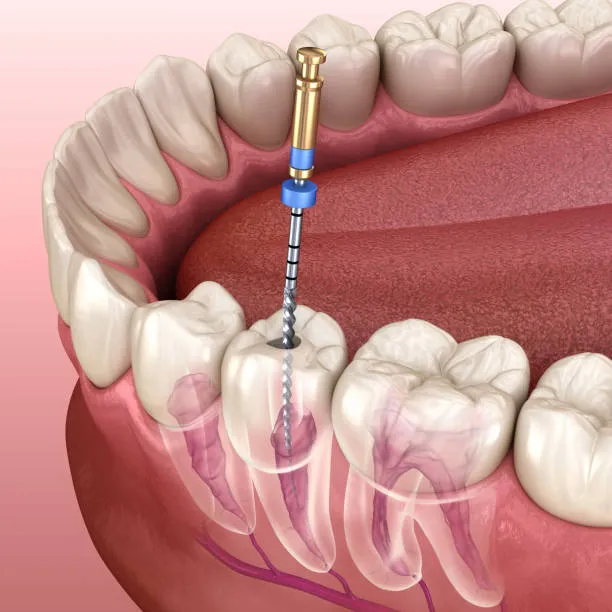


A root canal treatment is meant to save a tooth for life — but sometimes, that does not quite happen. Whether due to a persistent infection, a missed canal, or a restoration that was placed too late, some teeth need a second chance. Root canal retreatment is exactly that: a procedure to revisit and correct a prior root canal that did not fully succeed. For many patients, the news that they need retreatment can feel disheartening. But the reality is that this procedure has helped countless people preserve teeth that would otherwise have been extracted. Understanding who benefits, what to expect, and how to weigh your options can make the decision far less daunting.
What Is Root Canal Retreatment, Exactly?
Root canal retreatment involves reopening a previously treated tooth, removing the old filling material placed inside the canals, cleaning the root canal system again more thoroughly, and then resealing it. The goal is to eliminate any remaining or new infection and give the tooth a proper foundation for a long-term restoration.
How Is It Different from the First Treatment?
In many ways, retreatment is more complex than the initial procedure. The dentist or endodontist must first undo the previous work — which may include removing a crown or a post — before accessing the canals. Advanced imaging is often used to identify what went wrong the first time.
This is one reason why having an
experienced root canal specialist in Vijayawada perform the retreatment matters so much. Specialist training and the right technology can make a significant difference in outcomes.
Is It Always Possible?
Not always. If the tooth has severely fractured roots, extensive bone loss, or damage that cannot be restored, retreatment may not be a viable path. In such cases, extraction followed by an implant might be a better long-term solution. But for a large number of cases, retreatment is entirely feasible and worth pursuing before considering tooth removal.
Who Is a Good Candidate for Retreatment?
The short answer: most patients who are experiencing problems with a previously treated tooth. But let us look at this more specifically.
Patients with Recurring Pain or Swelling
Pain or swelling around a tooth that was treated months or years ago is a common reason to seek retreatment. This usually signals that infection has returned or was never fully cleared. Some patients dismiss this discomfort, assuming it will go away. It rarely does without intervention.
Patients with a New or Deep Crack
A treated tooth can develop new cracks over time, especially if it was left uncrowned for too long. These cracks allow bacteria to re-enter the root canal system. If the crack is limited to the crown portion and has not reached the root, retreatment followed by a new crown can often resolve the issue successfully.
Patients with Radiological Findings
Sometimes there are no obvious symptoms at all. A routine X-ray reveals a shadow or lesion near the root tip — a sign of ongoing or returning infection. These patients benefit from retreatment before the infection spreads or causes bone damage that makes treatment more complicated.
What Outcomes Can You Realistically Expect?
Success rates for root canal retreatment are genuinely encouraging. Studies suggest that retreatment succeeds in approximately 75 to 85 percent of cases when performed by a skilled clinician using proper techniques. The tooth can often be retained comfortably for many more years, functioning just like any other natural tooth.
That said, the outcome depends on several variables: how much healthy tooth structure remains, the reason the first treatment failed, and how promptly retreatment is sought. Early intervention tends to yield better results. Waiting too long allows infection to progress and can compromise the bone around the tooth, reducing the chances of a successful outcome.
The Role of a Crown After Retreatment
One factor that significantly affects long-term success is the placement of a proper crown following retreatment. A well-fitted crown protects the tooth from reinfection and fracture. Patients who complete the full treatment plan — including the final restoration — tend to see far better results than those who leave the tooth unprotected.
How to Weigh Your Decision
Deciding whether to pursue retreatment involves a few key considerations.
Cost vs. Long-Term Value
Retreatment combined with a crown does carry a cost. However, compared to extraction and implant placement, it is often the more economical route — and preserving your natural tooth is almost always the preferred clinical choice.
A Root canal doctor can give you a clear picture of what retreatment involves for your specific case, helping you weigh this accurately.
Time and Commitment
Retreatment typically requires one to two appointments, sometimes more in complex cases. Patients need to factor in recovery time as well, though most people return to their normal routine within a day or two. The commitment is manageable for most, especially when the alternative is tooth loss.
Getting a Second Opinion
If your general dentist has suggested retreatment but you are uncertain, seeking a second opinion from a specialist is entirely reasonable. An endodontist — a dentist who specialises in root canal procedures — can assess your case with greater precision and advise you with more confidence. Do not hesitate to ask for this; it is a perfectly normal part of the decision-making process.
Conclusion
Root canal retreatment is not a sign that something went terribly wrong — it is a mature, evidence-based response to a complex situation. Teeth are biological structures, and sometimes a second intervention is simply what is needed to preserve them. The decision to pursue retreatment deserves careful thought, a candid conversation with your dentist, and ideally a consultation with someone who specialises in this area. If you are dealing with a failing root canal or unexplained discomfort around a treated tooth,
visiting the Best Dentist in Vijayawada for an assessment is a worthwhile first step. The sooner you act, the more options you are likely to have.
Frequently Asked Questions
How do I know if my root canal has failed?
Common signs include persistent or returning pain, swelling around the tooth, tenderness when biting, and a pimple-like bump on the gum near the treated tooth. Sometimes there are no visible symptoms, and only an X-ray reveals the problem. If you notice any of these signs, it is best to see your dentist promptly rather than wait for the discomfort to worsen.
Is root canal retreatment painful?
The procedure is performed under local anaesthesia, so you should not feel pain during the treatment itself. Some soreness and mild discomfort in the days following retreatment is normal and can usually be managed with over-the-counter pain relief. Most patients find it quite manageable and are often surprised by how straightforward the recovery is.
How long does retreatment take?
Most root canal retreatments are completed in one to two appointments, each lasting roughly one to two hours depending on the complexity of the case. Your specialist will give you a clearer timeline after evaluating your X-rays and the condition of the tooth.
What happens if I choose not to pursue retreatment?
Leaving a failing root canal untreated allows the infection to persist and potentially spread to surrounding teeth, gum tissue, and bone. Over time, extraction may become the only remaining option. In more severe situations, the infection can extend beyond the jaw and pose broader health risks. Early retreatment is almost always the safer and more cost-effective choice.
Can any dentist perform root canal retreatment, or do I need a specialist?
While some general dentists do perform retreatment, complex cases are best handled by an endodontist or a dentist with advanced training in root canal procedures. Retreatment requires dismantling prior work, navigating potentially calcified canals, and using specialised instruments. A specialist brings both the training and the technology to manage these challenges more effectively, which directly improves your chances of a successful outcome.
Source: https://hackmd.io

























Sign in to leave a comment.