
Tooth pain can make even a normal meal difficult. You may feel a sharp pain when you bite, sensitivity when you drink something hot or cold, or a dull ache that refuses to go away. These signs can sometimes mean that an infection has reached the inside of your tooth.
Root canal treatment in Dubai treats infection or inflammation inside the tooth while helping you keep your natural tooth. The dentist removes the infected tissue, cleans the root canals, and seals the tooth. Getting treatment at the right time can relieve discomfort and may prevent the need for tooth extraction.
What Is Root Canal Treatment?
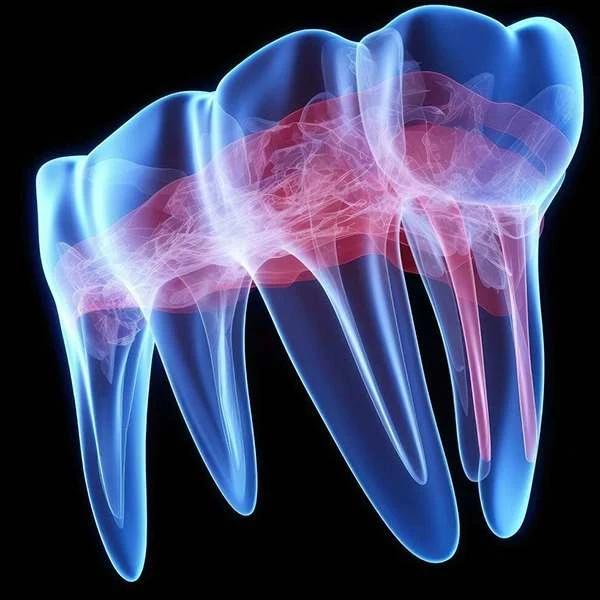
Each tooth has a soft inner area called the pulp. It contains nerves, blood vessels, and connective tissue. The pulp can become inflamed or infected when bacteria reach it through deep tooth decay, a crack, or an injury.
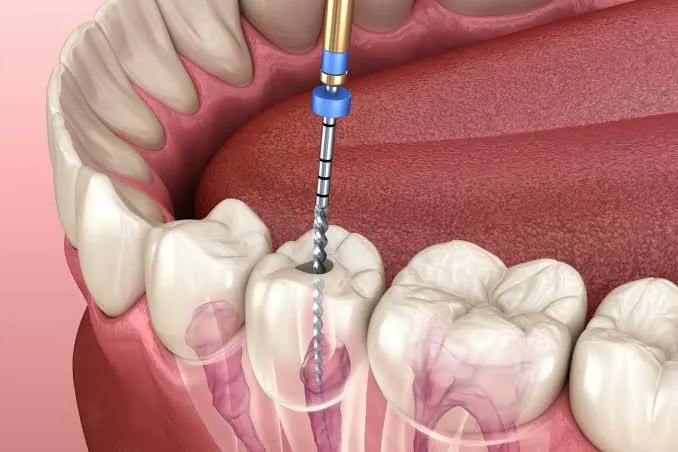
A root canal treats the problem inside the tooth. The dentist removes the affected pulp and cleans the small canals that run through the tooth roots. After cleaning and disinfecting them, the dentist fills and seals the canals.
The treated tooth stays in your mouth and can continue to support normal chewing.
Signs You May Need Root Canal Treatment in Dubai
Not every toothache requires a root canal. Cavities, gum problems, cracked fillings, and other dental conditions can also cause pain. A dentist needs to examine the tooth before deciding which treatment is suitable.
Some signs that need a dental check-up include:
- Tooth pain that does not go away
- Pain when biting or chewing food
- Long-lasting sensitivity to hot or cold
- Swelling near the affected tooth
- Tender or sore gums
- A cracked or chipped tooth
- Darkening of a tooth
- A small bump on the gum
- Deep or visible tooth decay
Sometimes tooth pain suddenly disappears even though an infection remains. This may happen when the nerve inside the tooth becomes badly damaged. A dental check-up is still important.
What Causes an Infection Inside the Tooth?
Untreated tooth decay is a common cause. A cavity may begin on the outer surface and slowly move deeper. When bacteria reach the pulp, the tooth may become inflamed or infected.
Other causes can include:
- A deep crack or fracture
- Injury to the tooth
- Broken or loose fillings
- Repeated dental procedures on one tooth
- Severe tooth wear
- Long-standing dental decay
Routine dental visits can help find cavities and damaged fillings before they cause deeper problems.
What Happens During Root Canal Treatment?
Understanding the procedure can make it feel less worrying. The exact steps depend on the affected tooth and its condition, but treatment usually follows a straightforward process.
Dental Examination and X-Ray
The dentist checks your tooth, gums, and symptoms. A dental X-ray may be taken to see the roots, surrounding bone, and areas that cannot be viewed directly.
Numbing the Tooth
The dentist uses local anaesthesia to numb the tooth and surrounding tissues. This helps keep you comfortable while the tooth is being treated.
Removing the Infected Pulp
A small opening is made in the tooth. The dentist removes the infected or inflamed pulp and accesses the root canals.
Cleaning and Filling the Canals
The dentist uses fine instruments to clean and shape the canals. After disinfecting them, the canals are filled with a suitable dental material and sealed.
Restoring the Tooth
A tooth may need additional support after a root canal, particularly when a large cavity or filling has weakened it. In these cases, the dentist may advise a dental crown to cover and protect the tooth.
At Le Denté, the dentist first examines the affected tooth and its surrounding tissues. The treatment plan depends on the extent of damage, the remaining tooth structure, and whether the tooth can be restored.
Is Root Canal Treatment Painful?
Fear of pain often causes people to delay dental treatment. However, the infection itself is often responsible for much of the pain experienced before a root canal.
The dentist uses local anaesthesia during treatment. You may feel some pressure or movement, but the area remains numb.
Mild tenderness after treatment can occur and usually settles as the area recovers. If you experience increasing pain or swelling, contact your dentist for advice.
Benefits of Root Canal Treatment
Keeping a natural tooth has several advantages when the tooth can be treated successfully.
A root canal can help:
- Preserve your natural tooth
- Remove infected tissue
- Relieve infection-related discomfort
- Restore comfortable chewing
- Maintain your natural bite
- Avoid a gap after tooth extraction
- Keep nearby teeth in their correct positions
However, root canal treatment cannot save every tooth. Severe fractures, extensive decay, or poor support around the tooth may require another form of treatment.
How to Care for a Root Canal-Treated Tooth?
Good oral hygiene remains important after treatment. Brush your teeth twice daily and clean between them every day.
Avoid chewing very hard foods with the treated tooth until your dentist completes the final restoration. If a crown is recommended, complete the treatment within the suggested time.
Regular dental check-ups also allow your dentist to monitor the treated tooth and catch new dental problems early.
When Should You See a Dentist?
Persistent toothache, swelling, sensitivity, or pain while chewing should not be ignored. Waiting too long can allow a dental problem to become more difficult to treat.
Patients searching for root canal treatment in Dubai can visit Le Denté for an examination. The dentist can identify the cause of the pain and explain whether a root canal is the right option for the affected tooth.
Conclusion
Root canal treatment can treat infection inside a tooth while allowing you to keep your natural tooth whenever possible. It can reduce pain, restore chewing comfort, and help avoid extraction.
If you have recurring toothache, swelling, sensitivity, or pain when biting, arrange a dental examination. Getting root canal treatment in Dubai when you need it can give the affected tooth a better chance of staying healthy and functional for years.
Frequently Asked Questions and Answers
1. How much does root canal treatment cost in Dubai?
The cost of root canal treatment in Dubai varies based on the tooth, infection level, treatment complexity, and whether a dental crown is required.
2. Which country is best for root canal treatment?
Many countries provide good root canal care. The right choice depends on the dentist’s experience, clinic standards, technology, treatment quality, and follow-up care.
3. Is Dubai cheap for dental work?
Dental costs in Dubai vary between clinics and procedures. Prices depend on the dentist’s expertise, treatment complexity, materials used, and clinic facilities.
4. Where can I get root canal treatment in the UAE?
You can get root canal treatment at licensed dental clinics across the UAE. Le Denté in Dubai provides dental assessment and root canal treatment based on each patient’s tooth condition.






















Sign in to leave a comment.