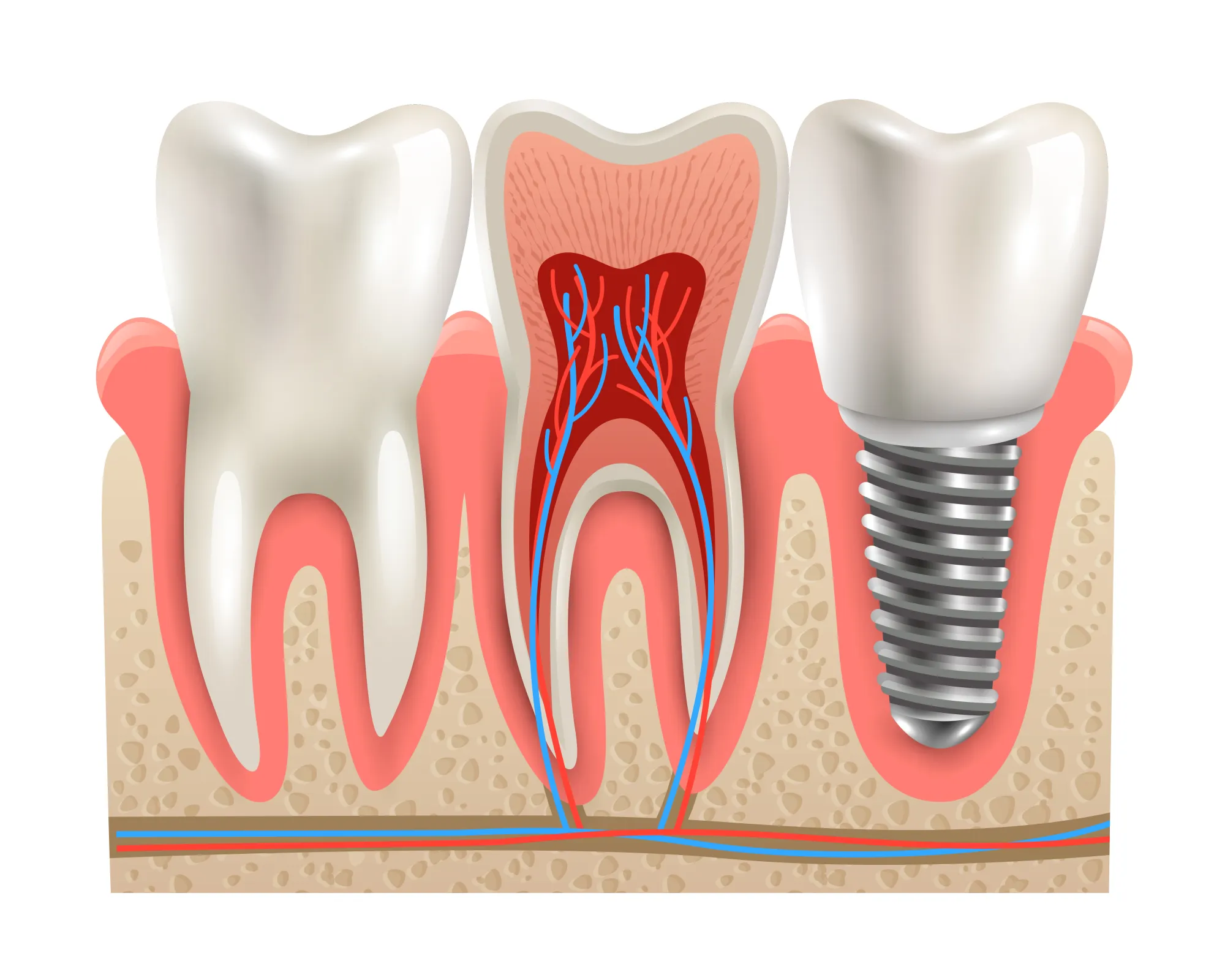

Root canal treatment is one of the most common and effective dental procedures used to save a severely damaged or infected tooth. Many people feel anxious when they hear the words “root canal,” but modern dentistry has made the procedure far more comfortable, efficient, and successful than commonly believed. With proper treatment and care, a tooth that might otherwise need to be extracted can often be preserved for many years.
What Is Root Canal Treatment?
Root canal treatment, also known as endodontic treatment, is a procedure performed to treat infection or damage inside a tooth. The innermost part of a tooth contains soft tissue called the dental pulp. This pulp contains nerves, blood vessels, and connective tissues that help the tooth develop.
When the pulp becomes infected or inflamed due to deep decay, injury, cracks, or repeated dental procedures, it may cause significant pain and other dental problems. During root canal treatment, the dentist removes the damaged or infected pulp, carefully cleans the inside of the tooth, disinfects the root canals, and seals the space to help prevent further infection.
The main objective is to save the natural tooth while restoring its function.
Why Is Root Canal Treatment Needed?
A root canal may be recommended when bacteria enter the inner portion of the tooth and cause infection. Several dental problems can lead to this situation.
Deep Tooth Decay
Untreated cavities can gradually penetrate through the outer layers of the tooth and reach the pulp. Once bacteria infect the pulp, simple fillings may no longer be sufficient.
Cracked or Broken Teeth
A crack or fracture can create a pathway for bacteria to enter the inner part of the tooth. Depending on the severity and location of the damage, root canal treatment may be necessary.
Dental Injury
An accident or impact can damage the pulp even when there is no visible crack in the tooth. Symptoms may develop immediately or appear months after the injury.
Repeated Dental Procedures
Multiple procedures performed on the same tooth can sometimes irritate or damage the pulp, increasing the possibility of inflammation or infection.
Common Signs That You May Need a Root Canal
The symptoms can vary from person to person. Some individuals experience severe discomfort, while others may have very few noticeable symptoms.
Common warning signs include:
- Persistent toothache
- Severe pain while chewing or biting
- Sensitivity to hot or cold temperatures
- Swelling around the affected tooth
- Tender or inflamed gums
- Darkening or discoloration of a tooth
- A small bump or pimple on the gums
- Pain that continues even after the source of temperature is removed
However, only a qualified dentist can determine whether root canal treatment is required. A dental examination and X-rays may be used to evaluate the condition of the tooth and surrounding tissues.
How Is Root Canal Treatment Performed?
Root canal treatment usually involves several important steps.
1. Examination and Diagnosis
The dentist first examines the affected tooth and may take dental X-rays. This helps identify the extent of infection and the condition of the roots and surrounding bone.
2. Local Anaesthesia
Local anaesthesia is generally used to numb the area around the tooth. This helps make the procedure more comfortable.
3. Cleaning the Infected Pulp
A small opening is created in the tooth to access the pulp chamber. The infected or damaged pulp is carefully removed, and the root canals are cleaned using specialised instruments.
4. Shaping and Disinfection
The canals are shaped and thoroughly disinfected to remove bacteria and infected tissue. The dentist may use antibacterial solutions during this stage.
5. Filling the Root Canals
Once the canals are clean and prepared, they are filled with a biocompatible material and sealed to help prevent bacteria from entering again.
6. Restoring the Tooth
After the root canal procedure, the tooth needs to be restored. In many cases, a dental filling or crown is recommended to protect the tooth and restore its strength and appearance.
Is Root Canal Treatment Painful?
One of the biggest misconceptions about root canal treatment is that it is extremely painful. Modern techniques, local anaesthesia, and advanced dental technology have made the procedure much more comfortable than many people expect.
In fact, root canal treatment is performed to relieve the pain caused by an infected or inflamed pulp. Some mild discomfort or sensitivity may occur for a few days after treatment, but this is usually temporary.
Following the dentist's instructions and taking prescribed medication, when necessary, can help manage post-treatment discomfort.
Benefits of Root Canal Treatment
Root canal treatment offers several important benefits.
Saves Your Natural Tooth
Preserving a natural tooth is often preferable to extraction when possible. A treated tooth can continue to function normally with proper restoration and care.
Relieves Pain and Discomfort
Removing the infected pulp helps address the source of dental pain and inflammation.
Prevents the Spread of Infection
Treating an infected tooth can help prevent the infection from spreading to surrounding tissues.
Restores Normal Chewing
After appropriate restoration, the tooth can generally be used for normal biting and chewing.
Maintains Your Smile
Saving the natural tooth helps maintain the appearance of your smile and supports the alignment of surrounding teeth.
What Happens After Root Canal Treatment?
After the procedure, it is important to follow your dentist's recommendations. Avoid chewing hard foods on the treated tooth until the final restoration is completed, especially if the tooth is temporarily sealed.
Maintaining good oral hygiene is also essential. Brush your teeth twice daily, clean between your teeth regularly, and attend routine dental check-ups.
If a crown has been recommended, it is important to have it placed as advised. A crown can provide additional protection, particularly for back teeth that experience greater chewing pressure.
Can a Root Canal-Treated Tooth Last a Long Time?
With proper treatment, restoration, and regular dental care, a root canal-treated tooth can last for many years. The long-term success of the treatment depends on factors such as the extent of the original damage, the quality of the restoration, oral hygiene habits, and regular dental visits.
Although the pulp is removed during the procedure, the tooth remains functional because it continues to receive support from the surrounding tissues.
Protecting Your Natural Smile
Root canal treatment is an important procedure that can save a damaged or infected tooth and restore comfort and function. Ignoring severe tooth pain or delaying treatment may allow the infection to worsen and could eventually lead to more complex dental problems.
If you experience persistent tooth pain, sensitivity, swelling, or other unusual symptoms, consult a qualified dentist as soon as possible. Early diagnosis and appropriate treatment can improve the chances of preserving your natural tooth and maintaining a healthy smile for years to come.


























Sign in to leave a comment.