

Root canal treatment is often misunderstood, and many people feel nervous when they hear the term. However, this common dental procedure is essential for saving a tooth that might otherwise need to be extracted. If you’re dealing with a damaged or infected tooth and need Root Canal Treatment in Ipswich, you’re not alone—many people seek this treatment to preserve their dental health and keep their smile intact.
In this article, we will walk you through what root canal treatment involves, why it’s necessary, and how it compares to other treatments such as Dental Fillings in Ipswich. Whether you’re experiencing tooth pain or just curious about what the treatment entails, we’ll provide you with everything you need to make an informed decision.
What Is Root Canal Treatment?
Root Canal Treatment in Ipswich, also known as endodontic therapy, is a dental procedure aimed at saving a tooth that has been severely damaged or infected. The procedure involves the removal of infected or damaged tissue from inside the tooth’s root canal, followed by cleaning, disinfecting, and sealing the space.
The root canal is the innermost part of your tooth, containing soft tissue known as pulp. If the pulp becomes infected due to decay, trauma, or other causes, it can lead to severe pain, swelling, and, if left untreated, tooth loss. The root canal treatment addresses these issues by eliminating the infection and preventing further damage.
Signs You Might Need Root Canal Treatment in Ipswich
Not everyone needs a root canal, but there are several signs that might indicate the need for one. If you experience any of the following symptoms, it’s important to visit your dentist for a thorough evaluation:
- Severe Tooth Pain: This is one of the most common symptoms of infection. You might feel constant pain or discomfort, especially when chewing or applying pressure to the affected tooth.
- Sensitivity to Hot or Cold: A tooth that requires a root canal may be very sensitive to temperature changes. You might experience prolonged discomfort when drinking hot or cold beverages.
- Swelling and Tenderness: If the infection spreads beyond the tooth and into the surrounding gum tissue, you may notice swelling and tenderness near the affected tooth.
- Discoloration: A tooth that requires a root canal may appear darker than the surrounding teeth. This discoloration can result from damage to the pulp inside the tooth.
- Pimple on the Gums: A pimple-like bump on the gums near the affected tooth could indicate an abscess, which is a result of the infection.
If any of these symptoms sound familiar, it’s essential to consult with a dentist in Ipswich who can evaluate your condition and recommend the appropriate treatment.
The Root Canal Procedure: Step-by-Step
If your dentist determines that root canal treatment is necessary, they will walk you through the procedure. Here’s what you can expect:
- Initial Consultation: Your dentist will take X-rays to assess the extent of the damage or infection. They may also ask about your symptoms to determine if a root canal is needed.
- Local Anesthesia: Root canal treatment is typically done under local anesthesia, meaning you’ll be awake during the procedure, but the area around the affected tooth will be numb.
- Removal of the Pulp: Your dentist will make a small opening in the crown of the tooth to access the infected or damaged pulp. The pulp will be carefully removed, and the inside of the tooth will be cleaned and disinfected.
- Sealing the Tooth: After the root canal is cleaned, the space will be sealed to prevent further infection. In most cases, the tooth will be filled with a material called gutta-percha to help seal the canal.
- Restoration: In many cases, after the root canal is completed, the tooth will require a crown or filling to restore its strength and appearance. This step is especially important for teeth that are used for chewing, such as molars.
Recovery and Aftercare
After the procedure, it’s normal to experience some discomfort for a few days. Over-the-counter pain relievers are typically sufficient to manage any mild pain or soreness. In rare cases, if pain persists or if you notice swelling, it’s essential to follow up with your dentist.
Your dentist will provide you with specific aftercare instructions, including tips on how to take care of your tooth while it heals. It’s also crucial to maintain good oral hygiene by brushing and flossing regularly to prevent further issues.
Root Canal Treatment vs. Dental Fillings in Ipswich
While Root Canal Treatment in Ipswich is essential for saving a tooth from infection or severe damage, it’s different from other common dental procedures, such as Dental Fillings in Ipswich. Understanding the distinction between the two treatments can help you make the right decision for your dental health.
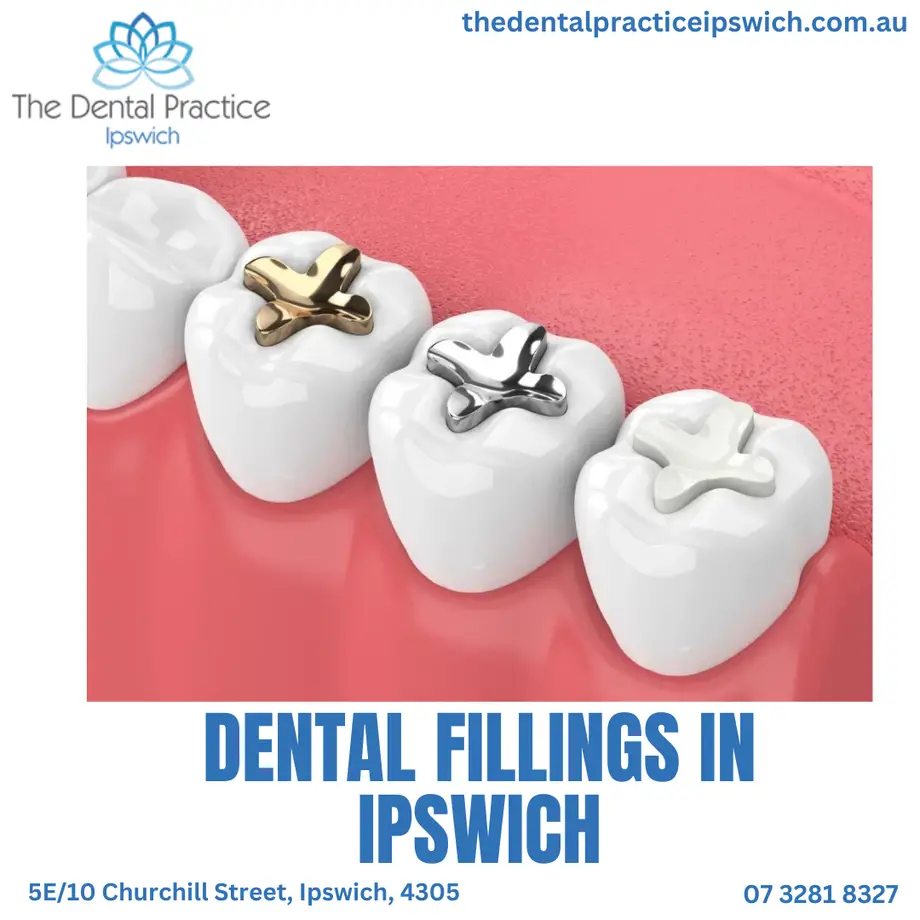
- Dental Fillings in Ipswich: A dental filling is typically used to treat cavities or small areas of decay. The dentist removes the decayed portion of the tooth and fills the empty space with materials like amalgam, composite resin, or gold. Dental fillings are a relatively quick and straightforward procedure, and they’re typically used for less severe damage. Fillings are designed to restore the tooth’s function and prevent further decay but don’t address issues inside the tooth’s pulp.
- Root Canal Treatment: On the other hand, root canal treatment is performed when the damage or infection extends deep into the tooth’s pulp. This procedure is more involved and is designed to preserve the tooth, preventing extraction and restoring it to its full function. Root canal treatment is often necessary when the decay is too extensive for a filling to be effective.
In summary, if you have a cavity or minor decay, a dental filling might be sufficient. However, if you experience severe tooth pain, sensitivity, or infection, root canal treatment is necessary to save the tooth and alleviate your discomfort.
Why Choose Root Canal Treatment in Ipswich?
Ipswich residents seeking root canal treatment can find peace of mind knowing that many skilled dental professionals in the area specialize in this procedure. Root canal treatment can save your natural tooth, preventing the need for extraction and further complications. It also restores your ability to eat, speak, and smile with confidence.
Choosing root canal treatment over tooth extraction also helps maintain your overall oral health. After an extraction, you may need additional treatments, such as dental implants or bridges, to replace the missing tooth, which can be more time-consuming and expensive.
Conclusion
Root Canal Treatment in Ipswich is a highly effective and common procedure for saving a damaged or infected tooth. If you’re experiencing symptoms of an infected tooth, don’t hesitate to visit a dentist in Ipswich for an evaluation. Whether you need Root Canal Treatment in Ipswich or Dental Fillings in Ipswich, early intervention can prevent further complications and preserve your smile.
With the right care and professional treatment, you can get back to enjoying pain-free, healthy teeth and continue with your daily life without worrying about tooth damage or infection.




























Sign in to leave a comment.