
Introduction
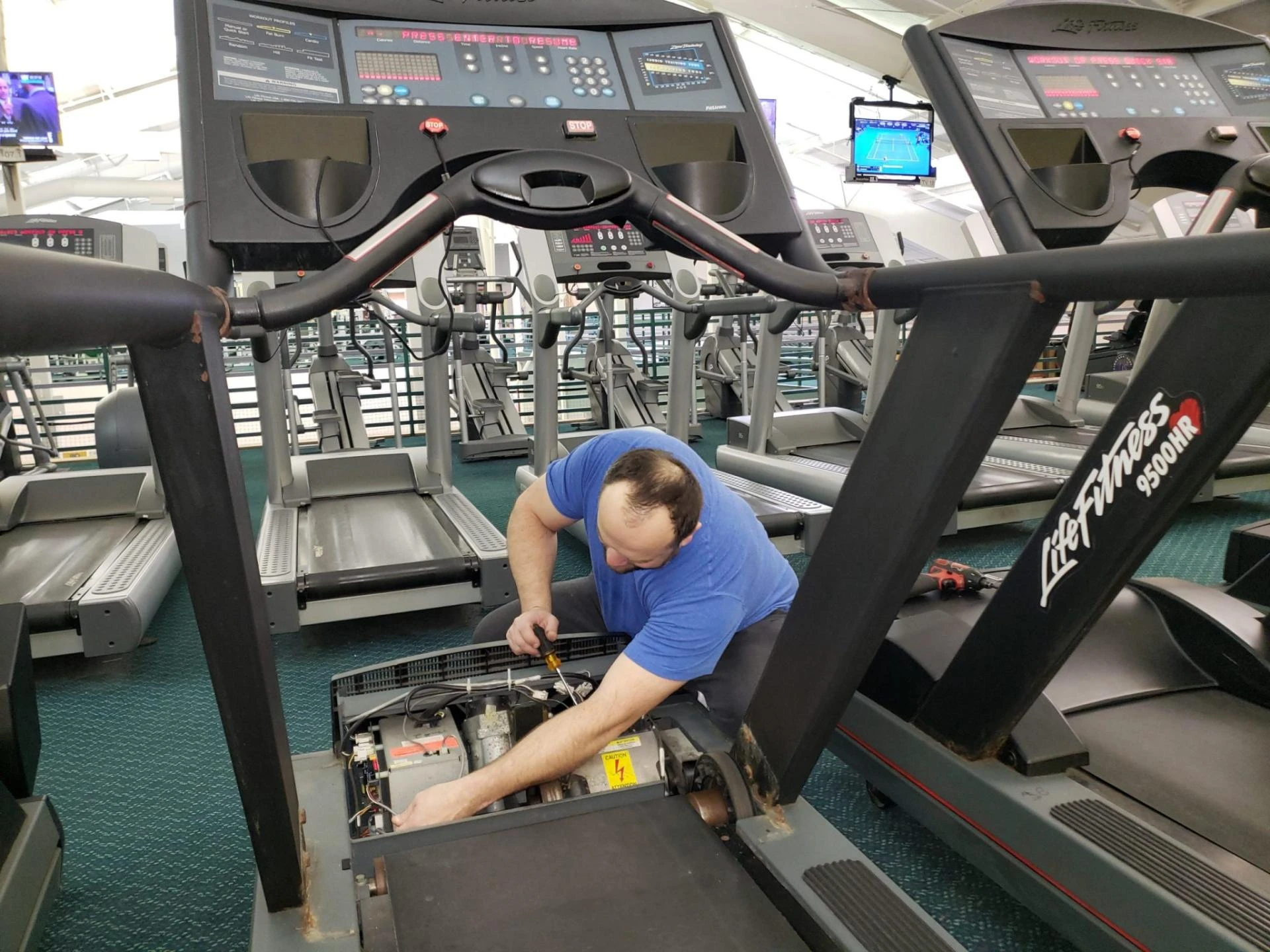
Fitness centers, home gyms, and commercial workout spaces all rely on exercise equipment to keep users fit and healthy. However, just like any other machinery, gym equipment requires routine tune-ups and preventative maintenance to ensure optimal performance and longevity. Whether it’s a treadmill, stationary bike, elliptical, or weightlifting machine, regular servicing can prevent unexpected breakdowns, costly repairs, and potential injuries.
In this guide, we’ll delve into the importance of routine maintenance, essential practices, and how finding the right exercise equipment repair near me can save time and money. Additionally, we will explore the significance of using quality exercise repair parts and the role professional gym equipment repair services play in maintaining a top-tier fitness space.
Why Routine Tune-Ups Matter
Routine maintenance is more than just tightening screws and wiping down equipment. It involves a systematic approach to inspecting, cleaning, and repairing gym machines to keep them in peak condition. Here’s why it’s crucial:
- Safety: Worn-out cables, loose bolts, and malfunctioning components can lead to accidents and injuries.
- Durability: Regular servicing prevents excessive wear and tear, prolonging the life of the equipment.
- Efficiency: Well-maintained machines operate smoothly, providing users with a seamless workout experience.
- Cost Savings: Addressing minor issues early prevents expensive repairs or the need for complete replacements.
- Aesthetic Appeal: Clean and functional gym equipment enhances the overall experience for users.
Common Issues with Gym Equipment
Understanding the common issues fitness equipment faces can help in early detection and prevention:
- Treadmills: Belt slippage, motor overheating, console malfunctions.
- Ellipticals: Squeaky pedals, loose handlebars, resistance problems.
- Stationary Bikes: Chain slippage, digital display errors, seat instability.
- Strength Machines: Frayed cables, rusted weight stacks, misaligned pulleys.
- Rowing Machines: Loose foot straps, resistance malfunctions, uneven strokes.
Key Preventative Maintenance Practices
To keep fitness equipment in top condition, implementing a solid maintenance plan is essential. Below are recommended preventative maintenance practices:
1. Regular Cleaning
Sweat, dust, and grime can build up on gym machines, affecting performance and hygiene. Daily cleaning with a mild disinfectant helps prevent corrosion and bacteria growth.
2. Lubrication of Moving Parts
Friction can wear down parts quickly. Applying the right lubrication to belts, chains, and bearings ensures smooth operation and reduces stress on components.
3. Inspecting Cables and Pulleys
Strength training machines rely heavily on cables and pulleys. Regular inspections can identify fraying or misalignment early, preventing failures.
4. Tightening Bolts and Screws
Vibration from repetitive use can loosen nuts, bolts, and screws. A monthly check ensures everything remains secure.
5. Testing Electronics and Consoles
Treadmills, bikes, and elliptical trainers often feature digital consoles. Checking for display errors and software updates ensures accuracy and usability.
6. Replacing Worn-Out Parts
Using quality exercise repair parts is crucial for maintaining performance. Cheap or incorrect parts can lead to recurring issues.
Finding Reliable Gym Equipment Repair Services
When issues arise, finding the right exercise equipment repair near me is key to getting machines back in action quickly. Here’s what to look for in a repair service:
- Experience and Certification: Technicians should have expertise in various brands and types of fitness equipment.
- Availability: A service that offers prompt response times minimizes downtime.
- Warranty and Guarantee: Reputable companies stand behind their work with warranties on parts and labor.
- Genuine Replacement Parts: Ensure they use high-quality exercise repair parts for longevity and performance.
- Preventative Maintenance Plans: A company offering scheduled tune-ups can help avoid future breakdowns.
DIY vs. Professional Repairs
While some maintenance tasks can be handled in-house, certain repairs require professional expertise. Here’s a comparison:
Maintenance TaskDIY-FriendlyProfessional RequiredCleaning and disinfecting✅Lubricating moving parts✅Tightening screws/bolts✅Replacing minor parts✅Electrical diagnostics✅Motor repairs✅Belt and cable replacement✅Console software updates✅✅
Choosing the Right Exercise Repair Parts
Using high-quality exercise repair parts is crucial for ensuring longevity and functionality. Here are some factors to consider:
- Compatibility: Always match the part with the brand and model of your equipment.
- Durability: Opt for parts made of high-quality materials that can withstand heavy use.
- Manufacturer or Aftermarket: OEM (original equipment manufacturer) parts tend to be more reliable, but some aftermarket parts offer excellent value.
- Warranty: Check for warranties to ensure you’re covered in case of defects.
Signs You Need Immediate Gym Equipment Repair
Ignoring small issues can lead to major malfunctions. Watch for these signs that indicate you need gym equipment repair immediately:
- Unusual Noises: Squeaks, rattles, or grinding sounds suggest mechanical problems.
- Erratic Performance: Resistance fluctuations, belt slipping, or speed inconsistencies signal internal issues.
- Error Messages on Consoles: Digital malfunctions can indicate sensor, motor, or connectivity problems.
- Loose or Wobbly Parts: Unstable equipment can be dangerous and should be addressed promptly.
- Burning Smell or Smoke: This is a serious sign of motor or electrical failure and requires urgent attention.
Conclusion
Routine tune-ups and preventative maintenance are essential for keeping gym equipment in top shape. Whether you manage a fitness center or have a home gym, investing in regular care prevents costly repairs and ensures a safe and efficient workout experience. Finding a reliable exercise equipment repair near me, using high-quality exercise repair parts, and working with professional gym equipment repair services can make all the difference in maintaining an optimal fitness environment.
By following these maintenance tips, gym owners and fitness enthusiasts alike can extend the life of their equipment, reduce downtime, and create a safer workout space. Stay proactive, schedule regular checkups, and never ignore the warning signs of wear and tear. Your fitness equipment—and your health—will thank you!

























Sign in to leave a comment.