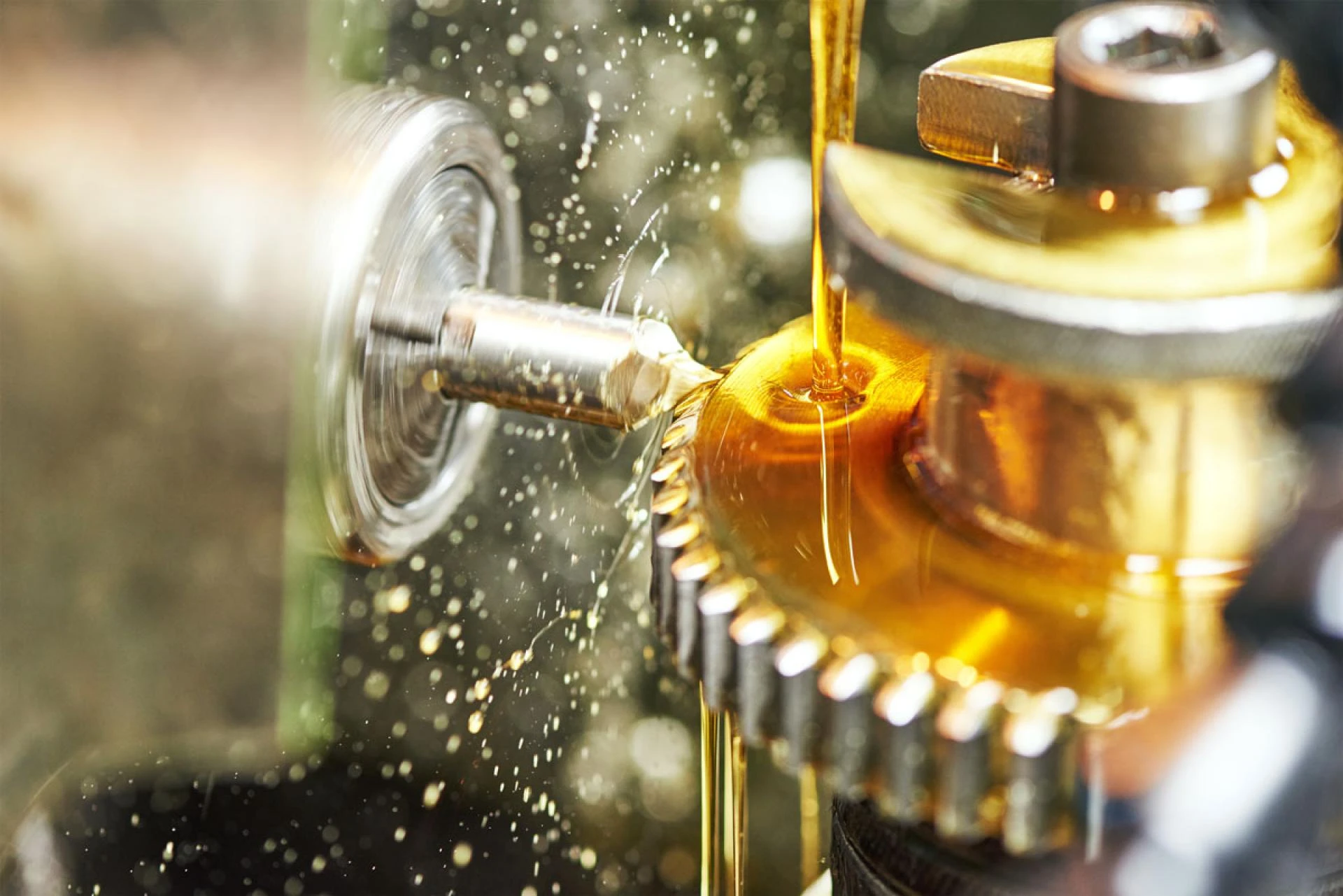

Metal components are the backbone of industries such as manufacturing, automotive, construction, and engineering. However, exposure to moisture, humidity, chemicals, and environmental pollutants often leads to corrosion, which gradually weakens metal structures and reduces their lifespan. One of the most reliable solutions to combat this problem is the use of rust preventive oil, a specially formulated protective coating designed to create a barrier between metal surfaces and corrosive elements.
Understanding the Problem of Metal Corrosion
Corrosion occurs when metal reacts with oxygen and moisture present in the environment, forming rust. This process may appear slow at first, but over time it can cause severe structural damage, equipment failure, and costly maintenance. Even small tools, spare parts, and machinery components can deteriorate quickly if they are stored or transported without proper protection.
Industries dealing with large volumes of metal products often face challenges related to long-term storage and shipment. During transit, materials are exposed to varying temperatures, humidity levels, and handling conditions, all of which increase the risk of corrosion. Preventive measures, therefore, become essential rather than optional.
How Protective Oils Safeguard Metal Surfaces
Protective oils function by forming a thin, uniform film over the metal surface. This coating blocks moisture, air, and contaminants from coming into direct contact with the metal, significantly reducing the chances of oxidation. Unlike traditional greases or thick coatings, modern protective oils are engineered for easy application, effective coverage, and convenient removal when the component is ready for use.
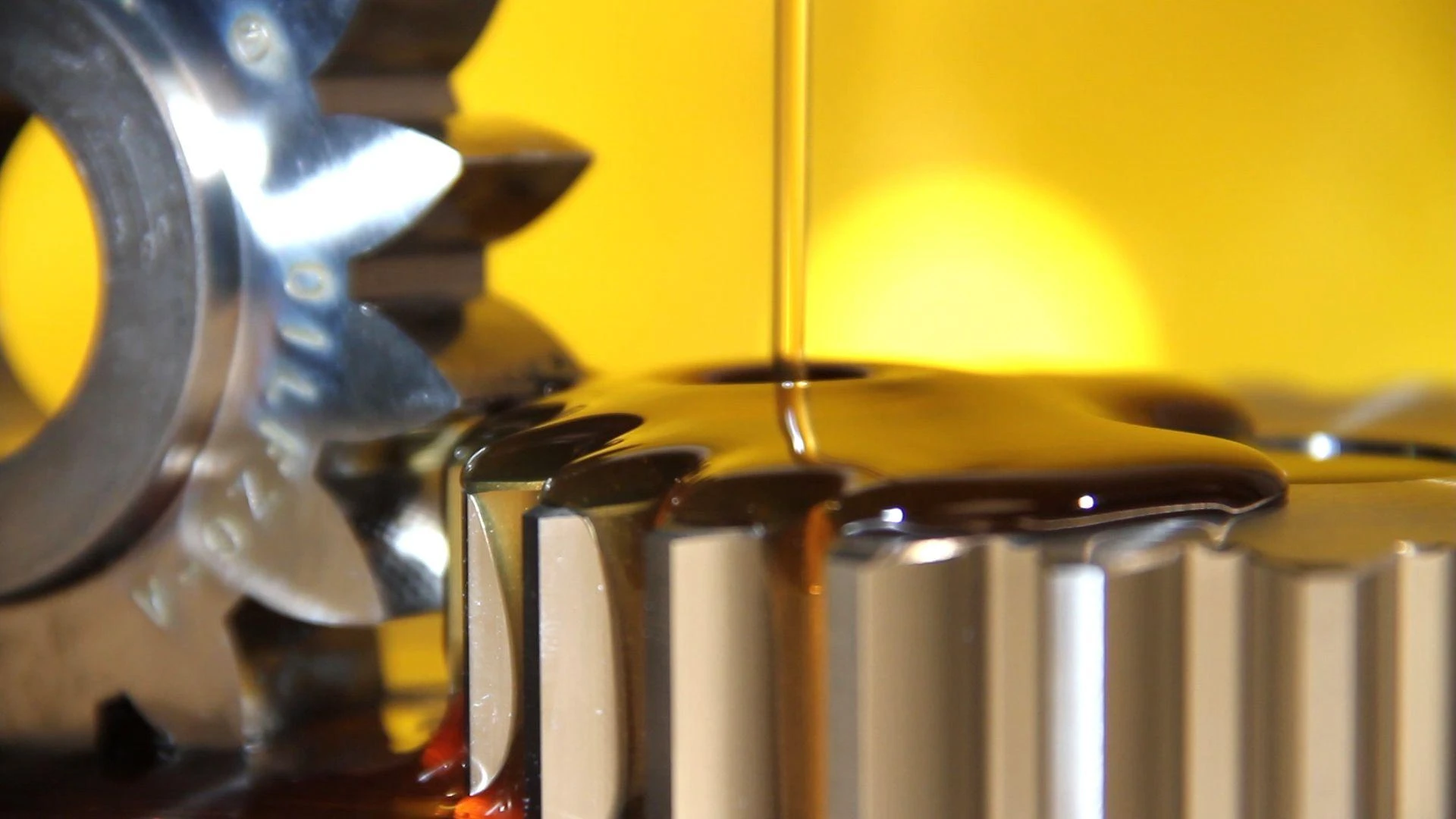
The protective film also offers lubrication benefits, helping reduce friction and wear during storage or handling. This dual advantage—corrosion resistance and lubrication—makes these oils suitable for a wide range of applications, from precision tools to heavy industrial machinery.
Key Benefits of Using Rust Protection Oils
1. Extended Equipment Lifespan
Applying a protective oil layer helps maintain the structural integrity of metal parts, preventing early deterioration. Equipment that remains corrosion-free performs more efficiently and lasts significantly longer.
2. Reduced Maintenance Costs
Frequent replacement of rust-damaged components can lead to increased operational costs. Preventive protection minimizes the need for repairs, cleaning, and replacement, resulting in long-term savings.
3. Improved Storage and Transportation Safety
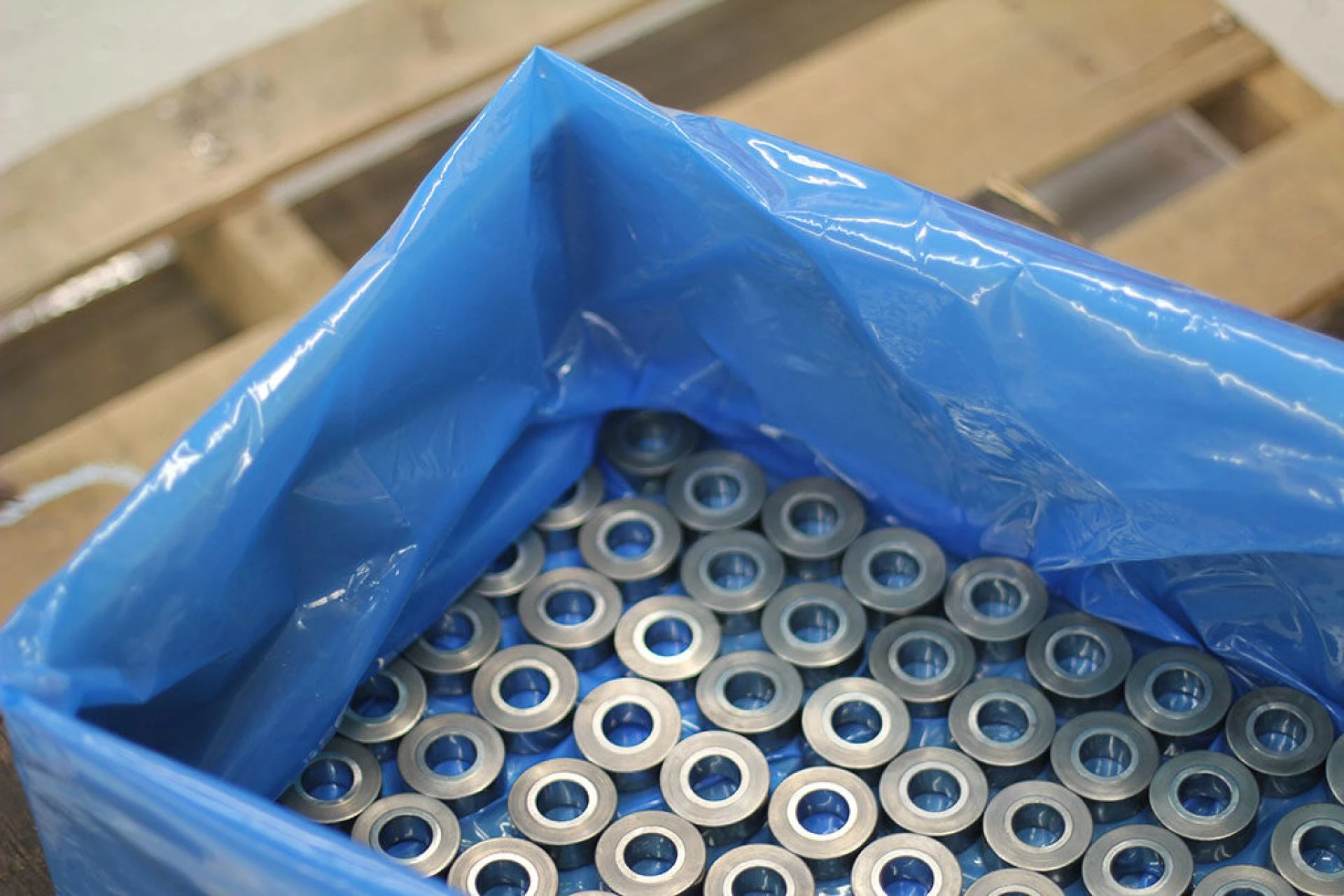
Metal goods often spend weeks or months in warehouses or shipping containers. A protective coating ensures that they arrive at their destination in the same condition as when they were packed, even in challenging climatic conditions.
4. Versatility Across Industries
From automotive components and machine parts to tools, pipes, and fabricated metal products, protective oils can be used across multiple industries. Their adaptability makes them a practical solution for both short-term and long-term protection needs.
Applications Across Industrial Sectors
Manufacturing plants rely on protective coatings to safeguard finished goods before dispatch. Automotive companies use them to protect spare parts and engine components. Engineering and fabrication industries apply them to steel sheets, castings, and machined parts that require storage before assembly. Even small workshops benefit from these solutions by protecting hand tools and equipment from environmental exposure.
In addition to industrial uses, protective oils are widely applied in marine environments, where metals are constantly exposed to saltwater and high humidity—conditions that accelerate corrosion significantly.
Choosing the Right Protection Solution
Selecting the appropriate product depends on several factors, including the type of metal, storage duration, environmental conditions, and whether the coating needs to be easily removable. Some formulations are designed for short-term indoor storage, while others provide long-term outdoor protection. Consulting with experienced suppliers ensures that the selected solution matches the exact application requirements.
Companies such as Zavenir Daubert provide advanced corrosion protection solutions designed to meet diverse industrial needs. By focusing on innovation and performance-driven formulations, modern manufacturers are helping industries protect valuable metal assets more efficiently than ever before.
Best Practices for Effective Results
To achieve optimal performance, metal surfaces should be clean and dry before application. The coating should be applied evenly using spraying, dipping, or brushing methods depending on the product design and application scale. Proper storage conditions after application further enhance protection and extend the effectiveness of the coating.
Conclusion
Corrosion remains one of the most persistent challenges in metal-based industries, leading to operational inefficiencies and financial losses. Implementing a reliable protection strategy with rust preventive oil helps industries maintain product quality, reduce maintenance costs, and extend the life of valuable equipment. With the right formulation and application practices, businesses can ensure long-lasting metal protection and improved operational reliability across the entire supply chain.






Sign in to leave a comment.