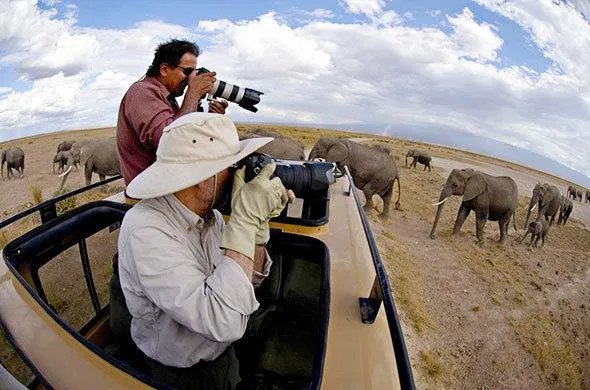

A safari is one of the best opportunities to capture stunning wildlife photographs. From elephants walking across open plains to lions resting under trees, every moment can become a lasting memory. If you are joining safari tours from Mombasa, knowing a few basic photography tips can help you take better pictures without needing professional experience.
With the right preparation, patience, and camera settings, beginners can return home with beautiful wildlife photos and unforgettable memories.
Why Choose Safari Tours from Mombasa for Photography?
Many travelers choose safari tours from Mombasa because they provide easy access to some of Kenya's most famous national parks. These parks are home to a wide variety of wildlife and offer excellent opportunities for photography.
Some popular safari destinations include:
- Tsavo East National Park
- Tsavo West National Park
- Amboseli National Park
Each park offers different landscapes, wildlife, and lighting conditions, giving photographers plenty of creative opportunities.
Bring the Right Camera Equipment
You do not need the most expensive camera to capture great safari photos. What matters most is knowing how to use your equipment.
Consider bringing:
- A DSLR or mirrorless camera
- A zoom lens for distant wildlife
- Extra memory cards
- Spare batteries
- A lens cleaning cloth
- A protective camera bag
Even many modern smartphones can capture impressive photos when used correctly, especially for landscapes and nearby animals.
Use Natural Light
Lighting plays a major role in wildlife photography.
The best times for photography are:
- Early morning
- Late afternoon
During these hours, the sunlight is softer and creates natural colors with fewer harsh shadows. These are also the times when many animals are most active during safari tours from Mombasa.
Keep a Safe Distance
Always respect wildlife by maintaining a safe distance.
Avoid asking your guide to move too close just for a photograph. Wild animals behave naturally when they feel comfortable, giving you more authentic images while keeping everyone safe.
Focus on the Animal's Eyes
When photographing wildlife, try to keep the animal's eyes sharp and in focus.
Clear eyes make photographs appear more engaging and help create a stronger connection between the subject and the viewer.
Be Patient
Wildlife photography requires patience.
Animals do not pose for pictures, and some of the best moments happen unexpectedly. Waiting quietly often results in natural behaviors such as hunting, feeding, or interacting with other animals.
Patience is one of the most valuable skills during safari tours from Mombasa.
Avoid Using Flash
Camera flash can disturb wildlife and create unnatural-looking images.
Instead, rely on natural light and adjust your camera settings if needed. Increasing ISO or using a wider aperture often works better than flash in many safari situations.
Capture More Than Just Animals
A safari offers much more than wildlife alone.
Photograph:
- Beautiful landscapes
- Sunrises and sunsets
- Safari vehicles
- Local villages
- Trees and rivers
- Birds
- Park entrances
These images help tell the complete story of your safari experience.
Learn Basic Camera Settings
Understanding a few simple settings can improve your photographs.
Helpful settings include:
- Fast shutter speed for moving animals
- Continuous autofocus
- Burst shooting mode
- Auto ISO when lighting changes quickly
You do not need to master every manual setting before your trip. Learning the basics is often enough for beginners.
Keep Your Camera Ready
Wildlife sightings can happen without warning.
Keep your camera switched on and within easy reach whenever possible. Missing a special moment because your camera was packed away can be disappointing.
Listen to Your Safari Guide
Experienced safari guides understand animal behavior and often know where exciting wildlife activity is likely to happen.
Their guidance can help you position yourself for better photographs while ensuring safety throughout your safari tours from Mombasa.
Respect Nature
Responsible wildlife photography means putting animal welfare first.
Remember to:
- Stay inside the safari vehicle unless instructed otherwise.
- Avoid making loud noises.
- Never feed wild animals.
- Follow all park rules.
- Respect the natural environment.
Good photography should never disturb wildlife.
Practice Before Your Safari
Before traveling, spend some time practicing with your camera.
Photograph:
- Birds
- Pets
- Moving vehicles
- Parks
- Local wildlife
Becoming familiar with your camera before your safari helps you react more quickly when you encounter wildlife in Kenya.
Conclusion
Taking great wildlife photographs does not require years of experience. With basic preparation, patience, and the right techniques, beginners can capture amazing memories during safari tours from Mombasa.
By using natural light, respecting wildlife, understanding simple camera settings, and listening to your safari guide, you can return home with photographs that tell the story of your unforgettable Kenyan adventure.
Frequently Asked Questions
What camera equipment should I bring for a safari from Mombasa?
You don't need the most expensive camera to get great wildlife photos on safari. A DSLR or mirrorless camera with a zoom lens, extra memory cards, spare batteries, and a lens cleaning cloth are recommended. Even modern smartphones can capture impressive images if used correctly.
When is the best time for photography during a safari?
The best times for photography on safari are early morning and late afternoon. During these hours, the sunlight is softer, creating natural colors with fewer harsh shadows, and many animals are more active, providing great photo opportunities.
How can I take better wildlife photographs as a beginner?
To improve your wildlife photography, focus on keeping the animal's eyes sharp and in focus, be patient, and practice basic camera settings like fast shutter speed and continuous autofocus. Familiarizing yourself with your camera and being ready for unexpected moments will also enhance your chances of capturing stunning images.
Why should I avoid using flash during a safari?
Using flash can disturb wildlife and result in unnatural-looking images. It’s better to rely on natural light and adjust your camera settings, such as increasing ISO or using a wider aperture, to capture stunning photos in various lighting conditions.
What other subjects can I photograph besides animals on a safari?
A safari offers a variety of photographic opportunities beyond just wildlife. You can capture beautiful landscapes, sunrises and sunsets, local villages, trees, rivers, and even park entrances, which help tell the full story of your safari experience.
How can I ensure I respect wildlife while taking photographs?
Respecting wildlife involves maintaining a safe distance, staying inside the safari vehicle unless instructed otherwise, and avoiding loud noises or feeding animals. Following park rules and putting animal welfare first is crucial for responsible wildlife photography.
How important is it to listen to my safari guide during the tour?
Listening to your safari guide is very important as they have experience with animal behavior and knowledge of where to find exciting wildlife activity. Their guidance can help you position yourself for better photographs while ensuring your safety throughout the safari.

















Sign in to leave a comment.