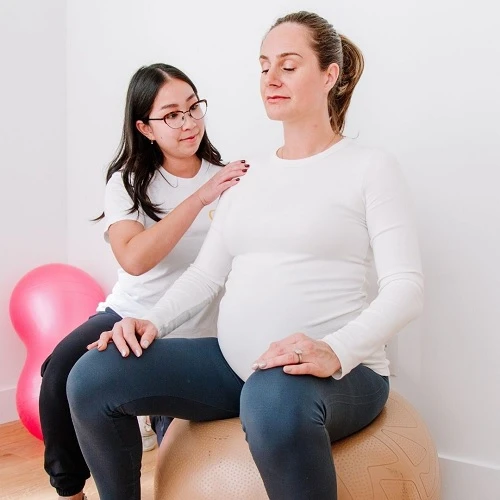

Staying Strong Through Pregnancy: A Balanced Approach to Prenatal Fitness
Pregnancy is a transformative period that brings joy, excitement, and often, physical challenges. As a woman’s body undergoes significant changes, maintaining a fitness routine tailored to her needs can make a positive impact on her well-being. While there’s no one-size-fits-all solution, many women today are embracing the support of a Pregnancy Personal Trainer to help navigate this delicate yet empowering phase of life.
With evolving research and awareness around prenatal health, it’s increasingly recognized that regular, moderate exercise during pregnancy is beneficial not only for the expectant mother but also for the baby. However, it’s crucial that such activities are specifically designed for each trimester, taking into account the physical, hormonal, and emotional shifts that occur throughout the pregnancy journey.
Why Exercise Matters During Pregnancy
Exercising while pregnant offers numerous physical and mental benefits. When done safely, it can:
- Improve posture and reduce common discomforts such as backaches and fatigue.
- Enhance mood and energy levels, thanks to the release of endorphins.
- Promote better sleep and stress management.
- Support cardiovascular health and endurance needed during labor and delivery.
- Reduce the risk of gestational diabetes and preeclampsia.
- Help maintain a healthy weight gain during pregnancy.
Despite these advantages, many women hesitate to continue or start an exercise routine while pregnant due to fear of injury or harm to the baby. This is where a Pregnancy Personal Trainer becomes essential—not just for motivation, but for informed guidance rooted in safety.
The Role of a Qualified Pregnancy Trainer
Not all fitness trainers are equipped to handle the specific needs of pregnant clients. A qualified professional specializing in prenatal fitness understands how the body changes during each trimester and tailors workouts accordingly. Their responsibilities often include:
- Modifying movements to accommodate the growing belly and shifting center of gravity.
- Avoiding exercises that put pressure on the abdomen or involve lying flat on the back for extended periods.
- Monitoring intensity to ensure the heart rate remains within a safe range.
- Focusing on pelvic floor strength, core stability, and breathing techniques.
- Providing postural corrections to counteract muscular imbalances caused by weight shifts.
These individualized strategies help promote a safer, more comfortable pregnancy and support a smoother postpartum recovery.
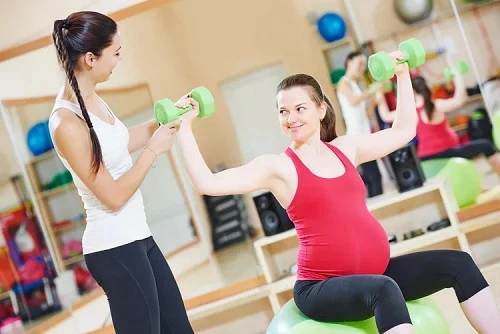
First Trimester: Laying the Foundation
During the first trimester, many women experience nausea, fatigue, and hormonal changes. Although energy levels may be low, gentle activities such as walking, swimming, and prenatal yoga are often manageable and helpful.
At this stage, a trainer may introduce low-impact strength training using body weight or light resistance to build foundational strength. Core engagement and posture alignment are emphasized early to help prepare for the increased physical demands of the second and third trimesters.
Second Trimester: Building Strength and Stability
Often considered the “honeymoon phase” of pregnancy, the second trimester can bring renewed energy. This is an ideal time to increase activity levels under professional supervision. Resistance bands, stability balls, and modified bodyweight exercises can be incorporated to support joint stability and prevent excessive strain on ligaments that are becoming more elastic due to hormonal changes.
Balance exercises become increasingly important as the belly grows and posture shifts. A skilled trainer will focus on exercises that minimize the risk of falling and reinforce pelvic floor health—both of which are crucial as the body prepares for labor.
Third Trimester: Preparing for Labor
By the third trimester, workouts should prioritize mobility, flexibility, and breath work. Gentle stretching, prenatal Pilates, and low-impact movement help maintain comfort and circulation. Strength exercises are typically scaled back in intensity but continue to focus on functional movements that aid in labor and postpartum recovery.
At this point, emotional support becomes just as important as physical guidance. A Pregnancy Personal Trainer often plays a motivating and reassuring role, helping the client stay connected to her body and prepare mentally for childbirth.
Safety First: Key Considerations for Prenatal Exercise
While the benefits of exercise during pregnancy are widely recognized, safety is paramount. Here are some general guidelines expectant mothers should follow when working with a trainer:
- Always consult with a healthcare provider before starting or continuing a fitness routine.
- Stay well-hydrated and avoid overheating.
- Wear comfortable, breathable clothing and supportive footwear.
- Avoid contact sports or activities that carry a risk of falling.
- Focus on controlled movements over high-impact training.
- Listen to the body and rest as needed—pregnancy is not the time to push through discomfort.
Trainers should also be alert to warning signs that indicate it’s time to stop exercising, such as dizziness, shortness of breath before exertion, bleeding, or contractions. Having a knowledgeable professional by your side ensures that these cues are taken seriously and addressed immediately.
Emotional Wellness and Body Confidence
Beyond the physical benefits, working with a prenatal-focused trainer can significantly boost emotional resilience. Pregnancy often brings changes in body image and self-confidence. Feeling strong, capable, and in control through movement can empower women to appreciate their bodies for what they’re achieving, rather than how they appear.
The consistent support from a trainer can also provide a much-needed sense of routine and self-care, especially for women juggling work, family, and other responsibilities during pregnancy.
After Baby Arrives: Transitioning into Postnatal Fitness
Recovery doesn’t end after childbirth. Postpartum fitness is a continuation of the prenatal journey, ideally with the same professional who supported you during pregnancy. A trainer familiar with your history and body changes is uniquely positioned to create a safe, effective plan to rebuild strength, support mental health, and ease the transition into motherhood.
Focus in the early postpartum months is often placed on restoring core stability, reactivating the pelvic floor, and gradually increasing cardiovascular endurance. Returning to high-impact or intense workouts should only be done under expert guidance and after medical clearance.
Pregnancy is not a time to retreat from movement—it’s a time to redefine what strength looks like. With the right guidance, expectant mothers can embrace fitness as a tool to enhance their health, prepare for labor, and feel empowered through each stage of the journey.
Working with a Personal Trainer ensures this journey is handled with care, expertise, and compassion, all while respecting the unique needs of the pregnant body. Whether you're newly expecting or well into your third trimester, tailored fitness support can make a world of difference.
For those seeking professional guidance and compassionate support, Soho Fit Tampa is proud to offer personalized fitness solutions designed to help women thrive during pregnancy and beyond.











Sign in to leave a comment.