
Youth basketball is more than just shooting hoops and dribbling around the court. Developing strength, speed, agility, and coordination at a young age can set the foundation for long-term success and reduce the risk of injuries as athletes grow. One of the most effective ways to achieve this is through safe strength training for youth basketball using specialized resistance systems designed to replicate basketball movements. Unlike traditional weightlifting, these systems allow young athletes to train with proper form while focusing on basketball-specific skills.
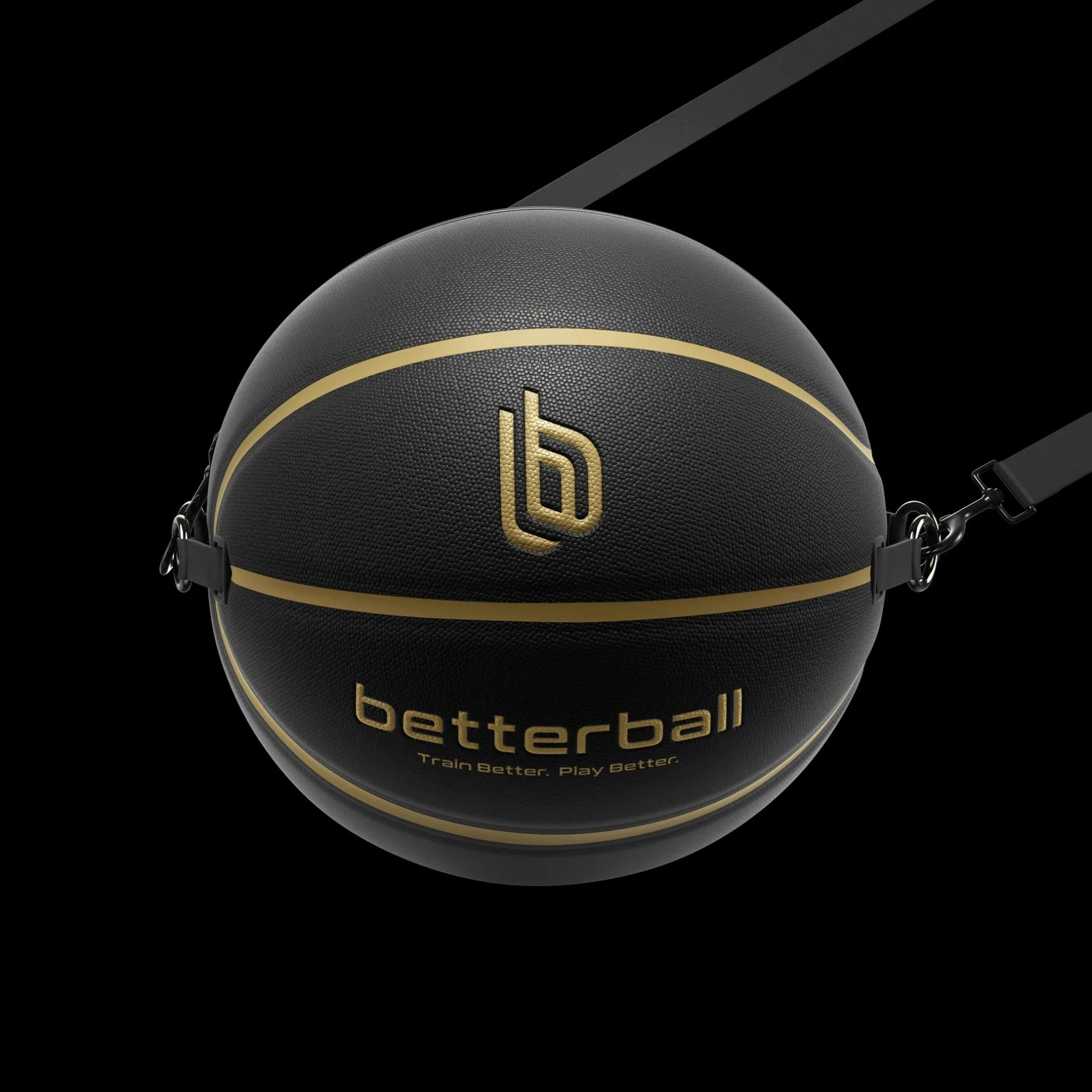
Betterball® provides a unique approach to this type of training with its PRO Basketball Resistance Training System. By integrating a regulation-size basketball with a resistance frame and bands, players can develop crucial athletic attributes in a controlled environment. This ensures that youth athletes are building strength safely while simultaneously improving their basketball performance.
Benefits of Resistance Training in Basketball Development
Resistance training is often misunderstood when it comes to youth athletes. Many parents and coaches worry that lifting weights might stunt growth or lead to injuries. However, research and practical experience show that when done properly, resistance training can be both safe and highly beneficial for young basketball players. The key is to focus on safe strength training for youth basketball by emphasizing proper technique, age-appropriate load, and sport-specific movements.
Some of the primary benefits include:
- Enhanced Explosiveness and Speed
Basketball requires quick sprints, sudden stops, and explosive jumps. Resistance systems like the Betterball® PRO Basketball Resistance Training System allow players to strengthen muscles used in explosive movements while performing basketball-specific drills. This directly translates into faster first steps, higher jumps, and more powerful drives to the basket.
- Improved Core Stability and Balance
A strong core is essential for maintaining balance during dribbling, pivoting, and defending. Resistance bands create continuous tension, engaging the core throughout exercises and helping young athletes maintain better body control.
- Increased Grip and Hand Strength
Dribbling, passing, and shooting require strong hands and forearms. Resistance training with a basketball integrated into the system improves grip strength, which is crucial for ball control and improving overall skill execution on the court.
- Injury Prevention
Safe resistance training helps strengthen muscles, tendons, and ligaments, providing better joint support. By building functional strength, young athletes reduce the risk of common injuries such as sprained ankles or knee strains.
- Confidence and Mental Resilience
Structured training programs instill discipline and teach athletes how to challenge themselves safely. Seeing measurable improvements in strength, agility, and performance boosts confidence, which can positively impact their overall game.
Recommended Exercises for Youth Basketball Players
Creating a youth basketball training program requires exercises that are both effective and safe. Resistance systems like Betterball® allow coaches to integrate movements that mimic game situations, ensuring the training carries over to real performance. Here are some recommended exercises for safe strength training for youth basketball:
- Resistance Dribbling
Attach the basketball to the resistance frame and practice dribbling. The tension challenges hand strength, wrist control, and coordination while maintaining proper posture. Start with light resistance and increase gradually as the athlete adapts.
- Explosive Chest Passes
With the basketball in the resistance system, young athletes perform chest passes against the bands’ resistance. This exercise strengthens the chest, shoulders, and arms, while also improving passing power and accuracy.
- Squat and Jump Drills
Using resistance bands to add load during squats enhances lower-body strength. Incorporating jumps into this movement improves vertical explosiveness while teaching proper landing mechanics, reducing injury risk.
- Lateral Shuffle Resistance Drills
Lateral movement is essential for defense. Resistance bands provide a controlled way to strengthen the hip abductors and adductors while practicing defensive slides, improving agility and lateral speed.
- Core Rotations
Rotational exercises with resistance systems help develop oblique strength and rotational power, which is crucial for shooting, passing, and changing direction on the court.
- Pull and Push Combos
Exercises combining pulling and pushing motions simulate rebounding and boxing out opponents. These movements enhance upper-body strength, shoulder stability, and overall coordination.
All exercises should be supervised by a knowledgeable coach or trainer who emphasizes correct form, controlled movements, and gradual progression.
Monitoring Load and Intensity for Safety
Safety is paramount in youth resistance training. Unlike adult programs that may focus on lifting maximum loads, safe strength training for youth basketball emphasizes proper technique, controlled resistance, and individualized progression. Key considerations include:
- Age-Appropriate Resistance
Young athletes should start with low resistance, allowing them to master proper movement patterns before increasing load. Using resistance systems rather than free weights minimizes the risk of overloading joints and muscles.
- Gradual Progression
Incremental increases in resistance help avoid strain. Coaches should monitor performance closely, ensuring athletes are not using momentum or compensatory movements to complete exercises.
- Session Duration and Frequency
Short, focused training sessions two to three times per week are ideal for youth athletes. Overtraining can lead to fatigue, loss of motivation, and increased injury risk.
- Form and Technique Checks
Continuous supervision is essential. Even minor deviations in form can lead to imbalances or joint stress. Structured feedback during exercises helps athletes develop safe habits early.
- Recovery and Rest
Adequate rest between training sessions allows muscles and connective tissues to adapt and grow stronger. Recovery is a critical component of preventing overuse injuries.
- Individualization
Each athlete develops at a different rate. Resistance systems allow coaches to adjust resistance levels to suit individual needs, ensuring that every young player benefits safely from the training.
Conclusion
Safe strength training for youth basketball is an essential part of developing well-rounded athletes. By using specialized resistance systems like the Betterball® PRO Basketball Resistance Training System, young players can enhance their speed, strength, agility, and coordination in a controlled and sport-specific environment. Resistance training not only improves on-court performance but also builds confidence, resilience, and injury prevention skills that serve athletes throughout their careers.
By emphasizing proper technique, age-appropriate load, and gradual progression, coaches and parents can ensure that youth athletes experience all the benefits of resistance training without unnecessary risk. Integrating these programs into regular basketball training helps cultivate stronger, faster, and more skilled players who are ready to perform at their best on every level of competition.
Investing in safe strength training for youth basketball is an investment in long-term athletic development, performance consistency, and overall health for young athletes who are passionate about the game.
























Sign in to leave a comment.