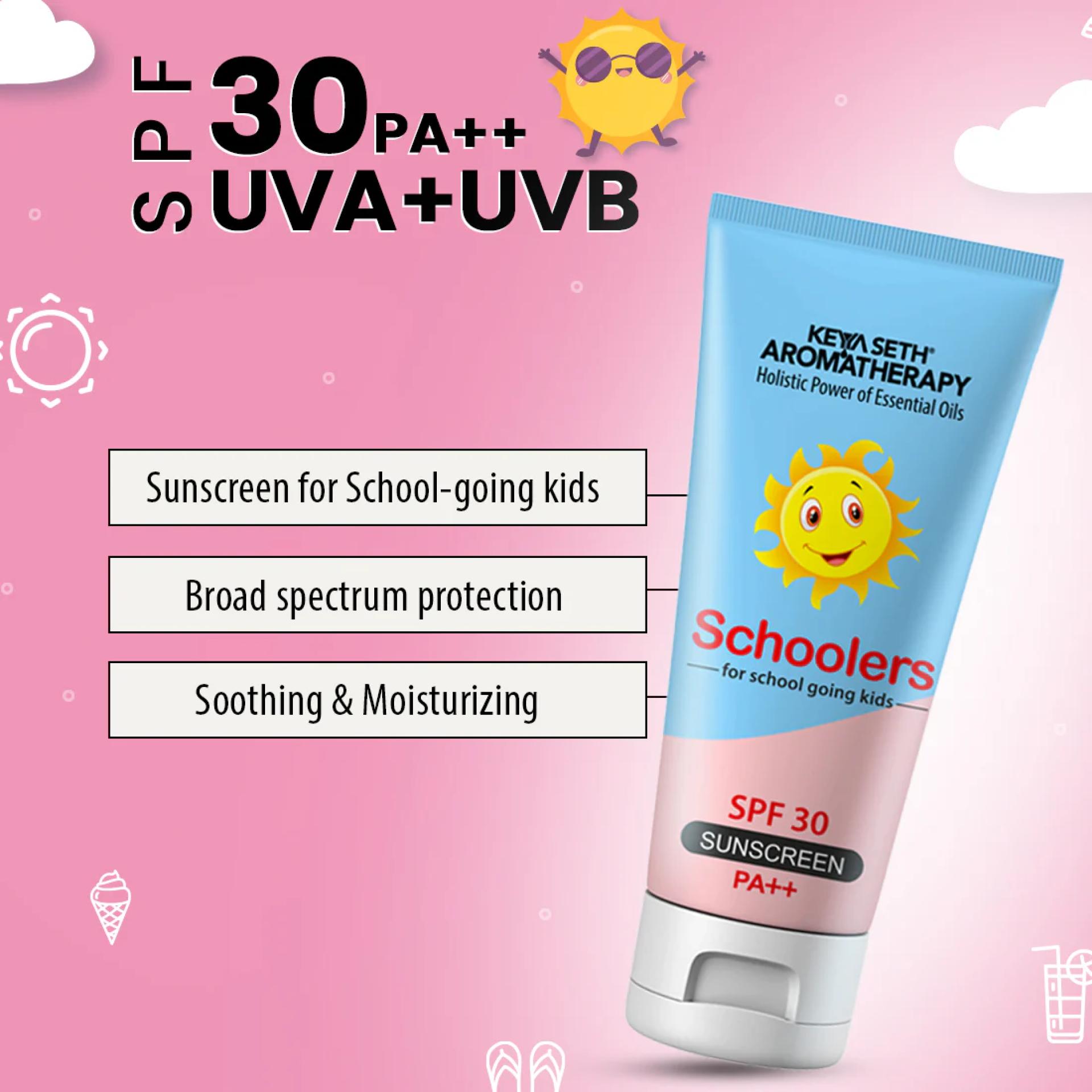

The Sunscreen for school going kids is one of the most important yet often overlooked parts of a child’s daily routine. Whether your child walks to school, plays during recess, or participates in outdoor activities, their skin is constantly exposed to harmful UV rays. Choosing a safe sunscreen ensures they stay protected without exposing their sensitive skin to harsh ingredients.
Let’s break this down in a simple, practical, and parent-friendly way so you can confidently make the right choice.
Why Sunscreen is Essential for Kids
Children’s skin is thinner and more sensitive than adult skin. This makes it more vulnerable to sun damage.
UV rays can harm the skin even when the sun doesn’t feel too strong. Over time, repeated exposure can lead to long-term skin issues. According to global health research and dermatology studies, a significant portion of lifetime sun exposure happens during childhood.
This means protecting your child today helps prevent problems tomorrow.
Everyday Situations Where Kids Need Protection
- Walking to and from school
- Morning assembly under the sun
- Outdoor sports and games
- School trips and events
Even short exposure adds up over time.
What Makes a Sunscreen “Safe” for Children
A safe sunscreen is one that protects effectively without irritating the skin or using questionable ingredients.
In simple terms, safe sunscreen means gentle protection you can trust every day.
Key Features to Look For
- Broad-spectrum protection (blocks both UVA and UVB rays)
- SPF 30 or higher
- Free from parabens, oxybenzone, and strong fragrances
- Dermatologically tested for kids
- Non-comedogenic (doesn’t clog pores)
- Water and sweat resistant
These features ensure both safety and effectiveness.
Understanding How Sunscreen Works
Sunscreen works like a protective shield on the skin.
There are two types of UV rays that affect us:
- UVA rays: cause long-term skin damage and aging
- UVB rays: cause sunburn
A good sunscreen protects against both.
SPF, or Sun Protection Factor, measures how well the sunscreen protects against UVB rays. For example:
- SPF 30 blocks about 97% of UVB rays
- SPF 50 blocks about 98%
No sunscreen blocks 100%, which is why proper application matters.
Mineral vs Chemical Sunscreen: What Should You Choose?
This is one of the most common concerns for parents.
Mineral sunscreen sits on top of the skin and reflects UV rays. It usually contains ingredients like zinc oxide or titanium dioxide.
Chemical sunscreen absorbs UV rays and converts them into heat.
For school going kids, mineral sunscreen is usually the safer choice because:
- It is less likely to cause irritation
- It starts working immediately
- It is suitable for sensitive skin
If your child has allergies or easily irritated skin, mineral sunscreen is the better option.
How to Choose the Right Sunscreen for Your Child
Choosing the right sunscreen becomes easy when you know what to check.
Focus on SPF Level
Go for SPF 30 at minimum. In hot and humid climates like India, SPF 50 provides better protection.
Look for Broad-Spectrum Protection
This ensures protection from both UVA and UVB rays.
Check Ingredients Carefully
Avoid products with strong chemicals or artificial fragrances.
Look for soothing ingredients like:
- Aloe vera
- Chamomile
- Zinc oxide
Match It to Your Child’s Skin Type
- Sensitive skin: fragrance-free mineral sunscreen
- Oily skin: gel-based sunscreen
- Dry skin: moisturizing sunscreen
Choose Easy-to-Use Formats
Kids are more likely to use sunscreen if it’s easy to apply:
- Lotion for full coverage
- Stick for quick reapplication
- Spray for convenience (with supervision)
When and How to Apply Sunscreen for School
Correct usage makes all the difference.
Apply Before Leaving Home
Apply sunscreen 15–20 minutes before your child steps out.
Use Enough Quantity
Most people use too little sunscreen. A generous amount ensures proper protection.
A simple rule: Use two fingers’ length of sunscreen for the face and more for exposed areas.
Reapply During the Day
If your child spends time outdoors, sunscreen should be reapplied every 2–3 hours.
You can:
- Pack a sunscreen stick in their school bag
- Teach older kids how to reapply themselves
Don’t Miss These Areas
Commonly missed spots include:
- Ears
- Neck
- Hands
- Feet
These areas are just as exposed as the face.
Common Mistakes Parents Should Avoid
Even small mistakes can reduce sunscreen effectiveness.
Skipping Sunscreen on Cloudy Days
UV rays can pass through clouds, so protection is still needed.
Applying Only Once a Day
Morning application is not enough for all-day protection.
Using Adult Sunscreen for Kids
Adult sunscreens may contain ingredients that are too harsh for children.
Ignoring Expiry Dates
Expired sunscreen loses its effectiveness and may not protect properly.
Using Too Little Product
A thin layer reduces the level of protection significantly.
A Simple Daily Routine That Works
Let’s make this practical.
Imagine your child has school at 8 AM and outdoor playtime at noon.
A simple routine could be:
- Apply SPF 50 sunscreen before leaving home
- Carry a sunscreen stick in the school bag
- Reapply during lunch break
This routine takes less than 2 minutes but provides strong, consistent protection.
Long-Term Benefits of Using Sunscreen Early
Building this habit early has lasting benefits.
Healthier Skin in the Future
Regular sunscreen use reduces the risk of long-term skin damage.
Better Skin Confidence
Prevents tanning, uneven tone, and irritation.
Teaches Self-Care
Children learn the importance of protecting their health.
What Experts Recommend
Dermatologists worldwide agree that sunscreen should be part of a child’s daily routine.
Institutions like the World Health Organization and the American Academy of Dermatology recommend:
- Daily use of sunscreen
- Wearing protective clothing
- Avoiding peak sun hours when possible
Combining these methods gives the best protection.
Frequently Asked Questions
What is the best sunscreen for school going kids?
The best sunscreen is one that offers broad-spectrum protection, SPF 30 or higher, and uses gentle ingredients like zinc oxide.
Can kids use sunscreen every day?
Yes, daily use is recommended regardless of the weather.
Is SPF 50 safe for children?
Yes, SPF 50 is safe and provides slightly higher protection, especially in strong sunlight.
At what age should kids start using sunscreen?
Sunscreen can be used for children older than 6 months. Younger babies should rely on physical protection like clothing and shade.
How often should sunscreen be reapplied in school?
Every 2–3 hours if the child is outdoors.
How to Start Today
Getting started is simple and doesn’t require a big change.
- Buy a child-friendly sunscreen
- Make it part of your child’s morning routine
- Keep a travel-size version in their school bag
- Teach them why it matters in a simple way
Small habits create big results over time.
Final Thoughts
Sunscreen for school going kids is not just about preventing sunburn—it’s about protecting their future skin health. With rising temperatures and increased sun exposure, this simple step has become more important than ever.
Choosing a safe sunscreen, applying it correctly, and building a daily habit can make a lifelong difference.
Start today. Protect their tomorrow.
If you found this guide helpful, explore our related skincare tips for kids or share your questions in the comments—we’re here to help you make the safest choices for your child.












Sign in to leave a comment.