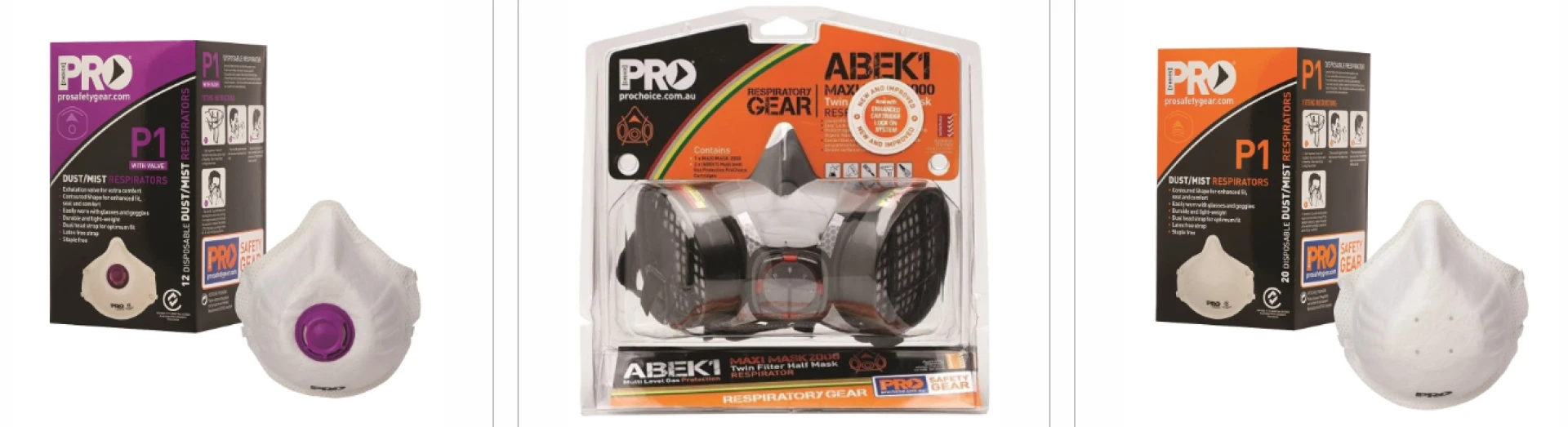

Workplace Respiratory Hazards
Workplaces can harbor a range of respiratory hazards, including:
Particulate Matter: Dust, fine particles, and aerosols generated from construction, manufacturing, or industrial processes can pose a risk to respiratory health.Chemical Fumes and Vapors: Industries involving chemicals, solvents, or volatile substances may release harmful fumes and vapors that can be detrimental when inhaled.Biological Agents: Healthcare settings, laboratories, and environments dealing with biological materials can expose workers to infectious diseases or allergens that require respiratory protection.
Respiratory protection, with facemasks at the forefront, plays a pivotal role in safeguarding the respiratory health of employees in the workplace. By recognizing the respiratory hazards present, implementing proper facemask selection and fit, and supporting a culture of respiratory safety through training and supportive measures, employers can create a workplace where employees breathe easier and work confidently.
The Power of Facemasks
Facemasks serve as a critical line of defense against respiratory hazards and offer the following benefits in the workplace:
Particle Filtration: High-quality face masks, such as N95 respirators, effectively filter out airborne particles, providing a barrier against fine dust, allergens, and potentially harmful substances.Inhalation Protection: Facemasks act as a physical barrier, preventing employees from inhaling hazardous airborne contaminants and reducing the risk of respiratory ailments.Source Control: Face Masks also contribute to source control by containing respiratory droplets expelled by individuals, thus reducing the transmission of diseases to others in the workplace.
Promoting Effective Respiratory Protection
To ensure comprehensive respiratory protection in the workplace, employers can take the following measures:
Hazard Assessment: Conduct a thorough assessment of workplace hazards to identify the appropriate level of respiratory protection required for specific tasks or areas.Proper Selection and Fit: Choose facemasks that meet industry standards and provide an appropriate level of filtration for the identified hazards. Facilitate fit testing to ensure a proper seal and optimal protection.Training and Education: Train employees on the correct usage, maintenance, and limitations of facemasks. Emphasize the importance of wearing facemasks consistently and adhering to proper hygiene practices.Regular Inspection and Replacement: Regularly inspect facemasks for signs of wear or damage, and replace them when necessary. Encourage employees to report any issues with their respiratory protection equipment promptly.Supportive Measures: Complement facemask usage with engineering controls, such as improved ventilation, and administrative controls, including work rotation or modification, to further minimise exposure to respiratory hazards.
In today's workplace landscape, prioritising respiratory health has become more critical than ever. With the presence of airborne hazards and the need to protect employees from respiratory risks, facemasks have emerged as a crucial tool in maintaining a safe and healthy working environment.
In this article, we will dive into the importance of respiratory protection in workplaces and shed light on how facemasks play a pivotal role in safeguarding the well-being of employees.
Let's prioritise respiratory health. Empower our workforce with effective face mask usage, and foster a safe and healthy environment for all. Visit eSafety Supplies for a wide range of options.











Sign in to leave a comment.