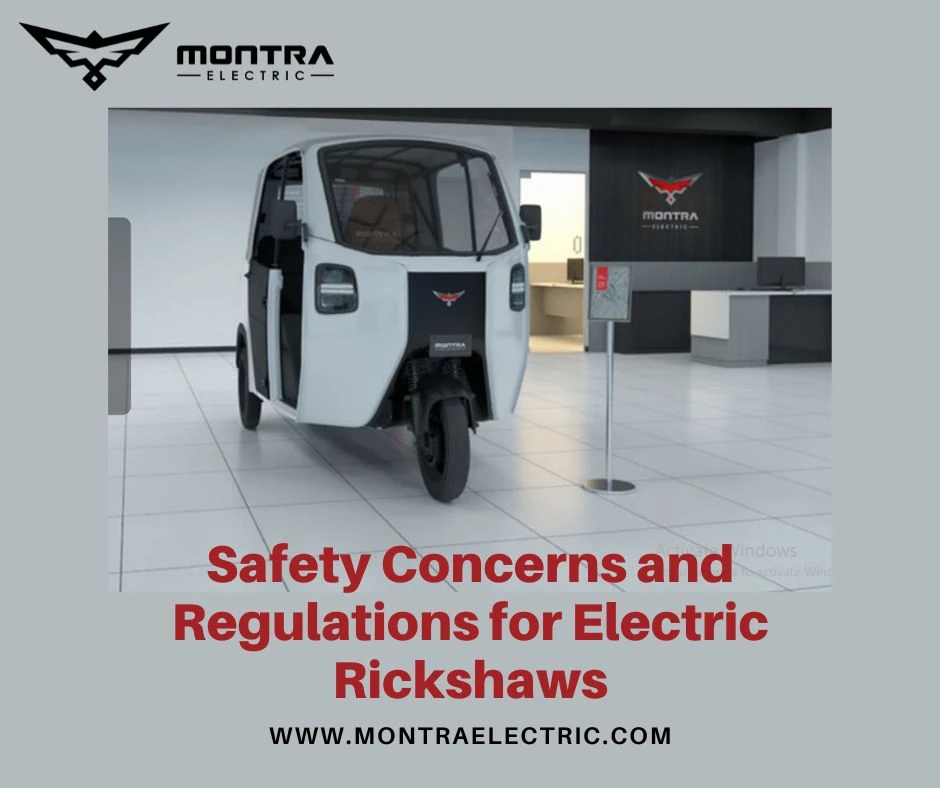

The government has effectively controlled the safety standards for electric rickshaws, which are intended to operate in the best interests of their passengers. It strives to maintain the quality of electric rickshaws.
Ever-increasing pollution has sparked long-overdue environmental worries among the general public. This has led to an increase in the popularity of environmentally friendly vehicles such as electric rickshaws. The benefit of eco-friendly cars is fully recognized and timely.
Electric rickshaws are not only eco-friendly but also cheap and fuel-efficient. Because of these benefits, electric rickshaws have gained national attention, and governments are supporting their usage.
The government has launched many steps to encourage the electric rickshaw industry. It is assisting battery-powered e-rickshaw distributors all around the country. These qualities, together with government backing, have attracted a large number of electric rickshaw providers. This boosts the number of electric rickshaw distributors in Kolkata. This often leads to unhealthy and unethical rivalry among several battery-driven e-rickshaw distributors, which in some way affects the interests of ordinary people.
To prevent similar situations, the government has imposed limitations on battery-operated e-rickshaw distributors in order to protect passengers' interests and safety.
Safety Guidelines for Electric Rickshaws
Aside from being environmentally friendly, electric rickshaws are much less expensive to ride in than non-electric vehicles. However, specific safety requirements continue to arise to ensure the highest possible safety for passengers.
Let us have a look at the safety rules that an electric rickshaw producer or distributor must follow:
The electric rickshaw driver is only allowed to transport up to four persons (including himself). Also, the electric rickshaw can transport cargo weighing less than or equal to 40 kg.The government has also regulated the wattage of electric rickshaws to no more than 2000 watts. High power may sometimes result in fast driving, endangering the lives of passengers.To drive an electric rickshaw, a person must have a government-issued license in his or her name. This license proves that the electric rickshaw driver is skilled and familiar with the road conditions.It is good and excellent to acquire or travel in an electric rickshaw. Authorized by a government-identified firm to ensure safety and quality.E-rickshaws raise safety concerns.
The fast development of e-rickshaws on Indian streets, combined with a lack of control over their usage, has raised serious safety concerns. E-rickshaws often transport 6-8 persons despite the fact that their aluminium bodies are only built to accommodate 4-6 passengers. Furthermore, the braking system has not been tested by any regulatory organization, rendering it unstable. The fast turning capabilities of e-rickshaws, along with their high speeds, raise concerns regarding their stability when making turns.
E-rickshaws depend on electric batteries and must be charged, which may place further demand on an already overburdened electrical supply. According to media sources, manufacturers outfit e-rickshaws with batteries capable of more than 750W of electricity in order to attain faster speeds and transport more people, which is a blatant violation of the Delhi Motor Vehicles (MV) Act of 1993's non-motorized criterion. New electric rickshaws require around 6 to 8 hours to charge, and hundreds of e-rickshaws sometimes compete for the few street charging outlets. This is a nuisance at best and a safety risk to other city residents at worst. Due to a shortage of charging facilities in Delhi, many vehicles rely on electric wires on the streets to charge.
Latest Statistics on E-Rickshaw Regulations in India
The Indian government has implemented efforts to address safety concerns. Here's an overview of some recent events:
Motor Vehicles Legislation Amendment (2019): This legislation brings e-rickshaws within the ambit of the Motor Vehicles Act, requiring registration and licensing, speed limitations, weight restrictions, and standardized components.
MoRTH Guidelines for 2019: The Ministry of Road Transport and Highways has published particular e-rickshaw rules, including requirements for batteries, chassis, and electrical systems, to guarantee that new vehicles meet minimal safety criteria.
State-level Regulations: Multiple states have developed their own e-rickshaw rules. This might include limitations on operation zones, parking spots allocated expressly for them, and driver permission requirements. Here are some data that demonstrate their influence.
According to a 2020 NITI Aayog research, there has been a significant decline in e-rickshaws breaking speed restrictions after revisions to the Motor Vehicles Act were implemented.
E-rickshaws are far less regulated than auto-rickshaws
A transferred, renewed, or new electric rickshaw driver's license costs RS 2,000 (about USD 34). This informs government authorities about the number of auto-rickshaws on the streets, which they can then use to set and enforce guidelines that make auto-rickshaws safer. Auto-rickshaw drivers must be certified (although minor), and their rates are controlled, all of which benefits the people who utilize these vehicles. E-rickshaws are not considered motor vehicles. Thus, they do not need to be registered, and neither the vehicle nor the driver must be inspected to ensure that they meet the minimal operating and driving requirements. Drivers set their charges, allowing them to overcharge or even abuse passengers.
City officials are now enacting harsher laws in response to the development of e-rickshaws, but drivers have resisted these efforts. The Delhi government has compelled all manufacturers to get approval and quality inspections for their goods.
After manufacturers failed to undertake quality tests, the government banned e-rickshaws in Delhi in April 2014. Following political reaction and objections from Delhi's e-rickshaw union, the government agreed to remove the ban, stating that all vehicles be inspected for safety and operational capability. As per a report of NIUA, However, on July 31, 2014, the Delhi High Court ordered the city administration to halt the usage of e-rickshaws until legislation was enacted to control them.
How to integrate e-rickshaws into cities safely?
Cities may improve the integration of e-rickshaws by changing the Delhi Motor Vehicles Act of 1993 to develop more appropriate laws that guarantee their safety, and that road infrastructure supports their safe usage.
Ensuring the safety of e-rickshaws begins with quality assurance, which includes testing the load capacity of body components, tyres, braking equipment, and turning radius on both new and current vehicles. Drivers for the city should not be punished when vehicle breaches are identified - otherwise, issues would never be reported - and these rules need collaboration among drivers, manufacturers, and India's Central Government to implement them.
Infrastructure must also be adjusted to support e-rickshaws. Charging stations should be installed around the city, and car technicians should be trained to address particular issues with e-rickshaws. Charging stations can even be integrated into existing fuel stations without becoming an additional burden for their owners; in fact, building infrastructure for e-rickshaws may benefit Indian cities by promoting local manufacturing of batteries that are currently imported from China, saving drivers money on batteries that they currently purchase at high prices from retailers overseas.
Unlocking consensus among drivers and manufacturers on e-rickshaw policies will be complicated; however, once Delhi and the Central Government address these barriers and improve safety, e-rickshaws have the potential to expand mobility access in Indian cities and increase connectivity for residents.
Conclusion
E-rickshaws offer an environmentally beneficial and convenient mode of transportation in India's cities; however, safety concerns remain. In response, the government enacted laws governing registration, licensing, and vehicle specifications. Despite ongoing issues with enforcement and public knowledge of these restrictions, we offer a significant first step forward.
Monta Electric, a market-leading electric rickshaw company, stresses safety. Our organization may exceed legal standards, emphasize battery protection, and provide driver training classes. When you choose Monta Electric for your e-rickshaw requirements, you are not only selecting a greener ride but also ensuring the safety of both passengers and drivers on each voyage. Buy electric rickshaw now.



























Sign in to leave a comment.