

Exploring the Golden World of Saffron Exchange: A Fragrant Tale of Trade and Tradition
In the bustling markets of Iran, Spain, India, and several other regions around the globe, an ancient trade emerges as one of the most lucrative and sought-after commodities. The "Saffron Exchange" is a phrase that encapsulates the fascinating world of saffron, the world's most expensive spice, which has captivated civilizations for millennia. This aromatic treasure has transcended borders and cultures, leaving an indelible mark on the history of trade and tradition.
The Allure of Saffron: A Spice Worth Its Weight in Gold
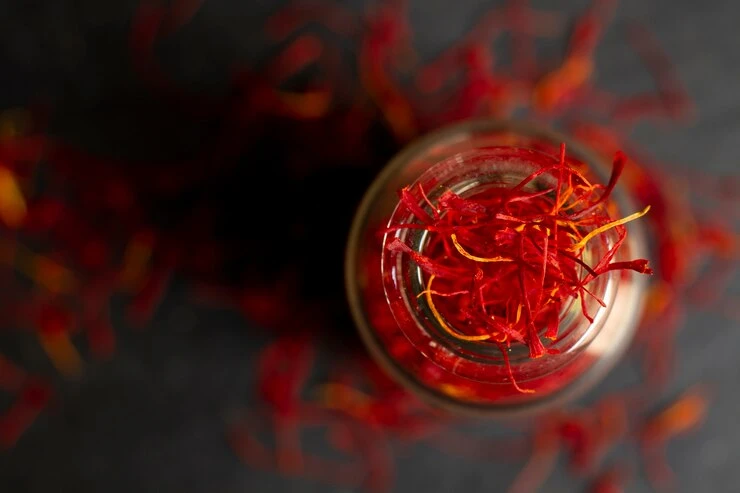
Saffron, known scientifically as Crocus sativus, is derived from the delicate stigmas of the crocus flower. With its distinct golden color and an alluring fragrance, saffron has been valued for its culinary, medicinal, and dyeing properties. Despite being labor-intensive to harvest and having low yields per flower, saffron has consistently held its position as one of the most expensive spices globally.
The Historical Journey of Saffron Exchange
The origins of saffron can be traced back to ancient Persia, modern-day Iran, where it was initially cultivated over 3,000 years ago. The spice soon found its way along the Silk Road, a vast network of trade routes that connected the East and West, facilitating the exchange of goods and ideas between civilizations.
During the medieval period, Arab traders played a significant role in the expansion of saffron trade. They brought the spice to the Iberian Peninsula, and by the 10th century, saffron cultivation had taken root in Spain's fertile lands. The region of La Mancha in Spain became renowned for producing some of the finest saffron in the world, rivaling the quality of the Persian saffron.
The Saffron Trade Today
In the modern era, the saffron exchange has evolved significantly. Spain remains a leading producer of saffron, alongside Iran, Kashmir (India), Greece, and Morocco. Each region boasts its unique varieties, distinguished by flavor, aroma, and coloring strength.
The spice's popularity has transcended the culinary realm, with saffron finding its way into various industries. It is a key ingredient in traditional medicines, beauty products, and even perfumes. The rising demand for natural and organic products has further boosted the allure of saffron and its derivatives.
Challenges and Opportunities in the Saffron Market
Despite its rich history and continued popularity, the saffron trade faces challenges. Climate change, fluctuations in production, and fraudulent practices have all affected the saffron market. The delicate nature of saffron and its susceptibility to adulteration has led to increasing concerns among consumers and traders alike. To address these issues, stringent quality control measures, certification processes, and fair trade initiatives have been introduced to protect both consumers and the livelihoods of saffron farmers.
Preserving Tradition and Cultivating Sustainability
The saffron exchange also presents an opportunity to preserve cultural heritage and promote sustainable farming practices. In some regions, saffron cultivation follows age-old traditions, passed down through generations. By supporting these traditional farming communities and encouraging sustainable methods, consumers can ensure the continuity of this remarkable trade while promoting ecological balance.
The Aroma of the Future: Investing in Saffron
As interest in organic and exotic spices continues to grow worldwide, the saffron exchange holds promise for both investors and enthusiasts. The spice's unique value and timeless appeal make it a potential asset for those seeking to diversify their investment portfolios.
Conclusion
The captivating world of saffron exchange unveils a fragrant tale of trade, tradition, and timeless allure. From ancient Persia to the contemporary markets, the journey of this golden spice has been interwoven with the tapestry of human history. As consumers become more conscious of the origin and authenticity of products they purchase, the saffron trade must navigate challenges while preserving its legacy. By supporting sustainable practices and ethical trading, we can ensure the fragrance of saffron continues to enrich our lives for generations to come.







Sign in to leave a comment.