
Pudendal neuralgia, a chronic pain condition affecting the pudendal nerve in the pelvis, is known for its debilitating effects on both men and women. This condition, characterized by severe pelvic pain, significantly impacts the quality of life, making daily activities a challenge.
However, despite the similarity in symptoms, the pudendal neuralgia treatment approaches vary between men and women, reflecting the unique anatomical and physiological differences.
Understanding Pudendal Neuralgia
The pudendal nerve runs through the pelvis, providing sensation to the genital area, perineum, and anus. When this nerve becomes compressed or irritated, it results in pudendal neuralgia. Symptoms often include burning, stabbing, or aching pain in the pelvic region, which be exacerbated by sitting and relieved by standing or lying down.
Both men and women may experience urinary and bowel dysfunction, as well as sexual dysfunction due to this condition.
Diagnosis of Pudendal Neuralgia
Accurate diagnosis is important for effective for pudendal neuralgia treatment. Diagnosing pudendal neuralgia involves a thorough medical history, physical examination, and sometimes diagnostic imaging like MRI or nerve conduction studies.
A pudendal nerve block may also be administered to confirm the diagnosis. Given the complexity of the pelvic region, it’s essential to differentiate pudendal neuralgia from other potential sources of pelvic pain.
Treatment Options for Pudendal Neuralgia
Conservative Treatments
Both men and women often start with conservative treatments, which aim to alleviate symptoms without invasive procedures.
1. Physical Therapy
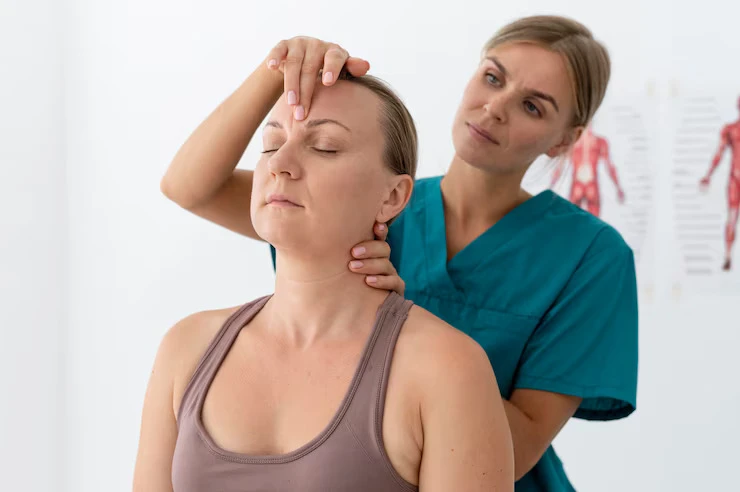
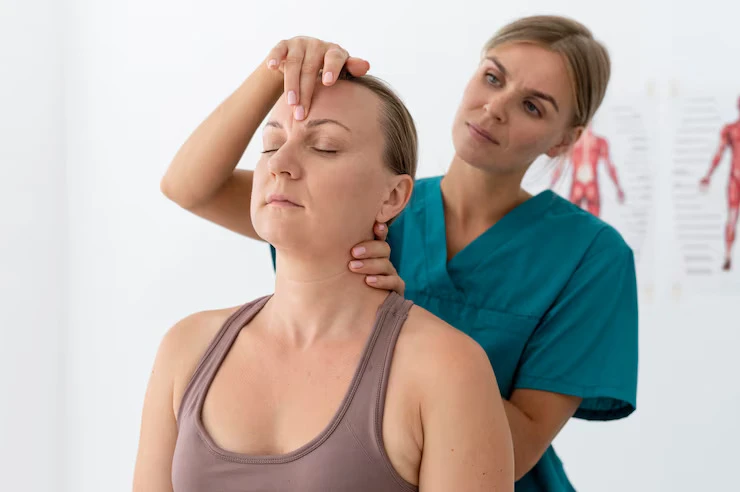
Pelvic floor physical therapy is a cornerstone of treatment, focusing on relieving tension and improving the function of pelvic muscles. Techniques include manual therapy, biofeedback, and specific exercises tailored to the patient\'s needs.
2. Medications
Pain management through medications such as anti-inflammatories, anticonvulsants, or antidepressants help reduce nerve pain. Topical anesthetics or muscle relaxants may also be prescribed.
3. Lifestyle Modifications
Adjustments in daily habits, such as avoiding prolonged sitting, using cushions designed to reduce pressure on the pelvic area, and engaging in low-impact exercises, provide significant relief.
Interventional Procedures
When conservative treatments fail to provide adequate relief, more targeted interventions may be necessary.
1. Nerve Blocks and Injections
Steroid or anesthetic injections directly into the pudendal nerve help reduce inflammation and pain. These provide temporary relief and help in confirming the diagnosis.
2. Neuromodulation
Techniques like transcutaneous electrical nerve stimulation (TENS) or sacral nerve stimulation help manage pain by modulating nerve activity.
Surgical Options
For severe cases where other treatments have not been effective, surgical intervention may be considered.
1. Pudendal Nerve Decompression Surgery
This procedure aims to relieve pressure on the pudendal nerve, thereby reducing pain. The approach to surgery differ based on individual anatomy and the specific cause of the nerve compression.
Gender-Specific Considerations
While the general approach to treating pudendal neuralgia is similar for both men and women, there are unique considerations based on gender.
1 For Women
Women\'s pelvic anatomy, particularly related to childbirth and gynecological health, influences pudendal neuralgia treatment approaches. For instance, pelvic organ prolapse or postpartum changes might necessitate specific physical therapy techniques.
2. For Men
In men, issues related to the prostate or other urological concerns intersect with pudendal neuralgia. Tailored physical therapy focusing on the male pelvic floor and specific nerve block techniques may be more appropriate.
Holistic and Multidisciplinary Approach
Effective management of pudendal neuralgia often requires a multidisciplinary approach. Combining the expertise of physiotherapists, pain specialists, urologists, gynecologists, and potentially surgeons ensures a comprehensive treatment plan. This collaborative approach address all facets of the condition, offering the best chance for pain relief and improved quality of life.
Conclusion
Pudendal neuralgia presents a challenging condition, but with a thorough, individualized treatment plan, significant relief is achievable. At Dr. Leena’s clinic, we are dedicated to providing compassionate, expert care tailored to the unique needs of each patient. By understanding and addressing the specific aspects of pudendal neuralgia in both men and women, we aim to help our patients reclaim their lives from chronic pain.
At Dr. Leena\'s clinic, we are committed to providing comprehensive and compassionate care for those suffering from pudendal neuralgia and other pelvic health issues. With a multidisciplinary approach and tailored pudendal neuralgia treatment plans, we aim to alleviate pain and improve the quality.











Sign in to leave a comment.