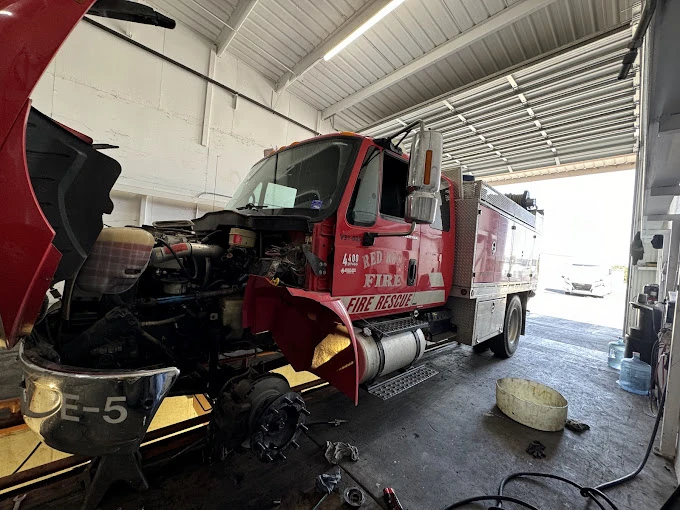
Maintaining a commercial truck isn’t just about keeping it running – it’s about protecting your investment, staying compliant with regulations, and avoiding costly delays that can throw off your entire schedule. Trucks are the backbone of many businesses, and when one is down, profits are at risk. Maintaining your commercial trucks properly ensures enhanced road safety, reduces unexpected costs, and extends the lifespan of your vehicles. Plus, regular upkeep builds a stronger reputation with clients and reduces liability risks in the event of accidents or failed inspections.
Whether you manage a fleet or own a single rig, applying smart maintenance strategies can help extend the life of your vehicle, lower repair bills, and increase fuel efficiency. Over time, these small steps can add up to thousands of dollars in savings. This guide provides practical, straightforward tips that don't rely on complex tools or costly systems. Let’s break down the best commercial truck maintenance strategies in a simple, easy-to-follow way that works for drivers, owners, and managers alike.
1. Stick to a Preventive Maintenance Schedule
Preventive maintenance is like giving your truck a regular wellness plan—it helps catch early signs of trouble and keeps everything performing at its best. Instead of waiting for something to go wrong, you take steps to keep everything running smoothly.
Why does it save you money?
- Identifies minor problems early, preventing them from turning into costly repair jobs
- Minimizes the chances of unexpected breakdowns that could disrupt schedules and lead to lost income
- Helps avoid costly emergency roadside service
- Improves fuel efficiency and reduces wear on key components
- Keeps your truck in compliance with DOT and safety inspections
What to include:
- Tire checks and rotations
- Brake inspections and pad replacements
- Fluid top-offs (coolant, transmission, power steering)
- Battery testing and charging system checks
- Air filter and cabin filter replacement
- Lights and electrical systems check
Create a logbook or digital checklist to track when each service is due. Many fleet maintenance software tools offer reminders and reports to keep you on schedule. Staying ahead of problems not only prevents high repair bills but also protects your truck’s resale value.
2. Inspect Your Truck Daily
Daily inspections are quick and simple but make a big difference. Before hitting the road, take 10-15 minutes to do a walkaround.
Look for:
- Leaks under the truck (oil, coolant, brake fluid, fuel)
- Tire pressure and tread wear
- Cracked, foggy, or broken lights
- Loose or damaged hoses and belts
- Mudflaps, reflectors, and mirrors
- Suspension and undercarriage components
- Unusual sounds or warning lights when starting
Pro tip: Keep a checklist in the cab and check off items before each trip. It builds a habit and prevents minor issues from becoming major ones. Addressing issues early also helps reduce downtime and ensures DOT inspection readiness.
3. Monitor Tire Health Closely
Tires are one of the most common sources of problems for commercial trucks. They’re also a big part of your fuel costs.
How to save money:
- Check tire pressure weekly – underinflated tires increase fuel use
- Rotate tires every 6,000 to 8,000 miles to extend their life
- Replace tires before they become unsafe or cause blowouts
- Look for uneven tread wear, which might signal misaligned wheels, worn shocks, or other suspension-related problems that affect handling and safety
- Balance and align your tires to reduce stress on the drivetrain
Keeping your tires in top shape not only extends their tread life but also improves handling, boosts fuel efficiency, and significantly lowers the chance of expensive roadside blowouts or delays.
4. Keep Engine and Transmission Healthy
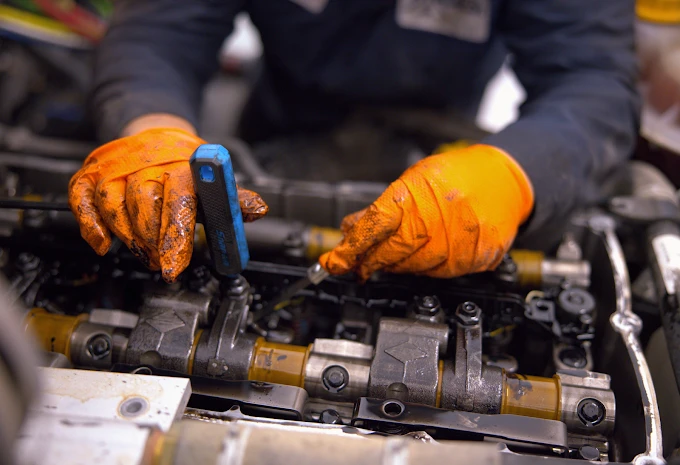
Your truck’s engine and transmission are its most critical components—think of them as the core systems that keep everything in motion. Because they handle the heaviest workload and experience constant wear, any failure here can lead to major downtime and extremely high repair bills.
Smart strategies:
- Change oil and filters on time, using manufacturer-recommended products
- Don’t ignore warning lights – get diagnostic checks immediately
- Choose premium-quality fuel and consider using fuel system cleaners or additives periodically to minimize carbon deposits and improve engine performance
- Monitor coolant levels and watch for signs of overheating
- Avoid hard acceleration or braking, especially with heavy loads
- Check belts for cracks or fraying, inspect hoses for leaks or bulges, and ensure the radiator and cooling system components are free of corrosion or blockages
Also, listen for changes in engine sound or shifting behavior. A small noise today could be a costly repair tomorrow. Keeping these systems in top shape reduces fuel waste and avoids major downtime.
5. Use Fleet Maintenance Software (Even for One Truck!)
Fleet management software isn’t just for big companies. Even if you own one or two trucks, it helps keep everything organized.
Benefits:
- Schedule and track maintenance with automatic reminders
- Organize all your service logs, repair invoices, and inspection reports in a centralized digital folder or cloud system
- Monitor fuel usage, part replacements, and repair trends
- Reduce paperwork and avoid missed service dates
- Help streamline communication between drivers, dispatchers, and mechanics
6. Train Drivers to Spot Issues Early
Your drivers are the first line of defense. Training them to notice and report issues can save you thousands.
Teach them to:
- Report strange noises, smells, or vibrations
- Check fluid levels during fuel stops
- Identify brake or steering issues
- Watch for dashboard warnings and unusual gauges
- Record inspection results using easy-to-use mobile apps or printed checklists to ensure nothing gets missed and every issue is documented in real time
Encourage open communication so small problems get fixed quickly. Recognize drivers who consistently report issues and reward them for preventing costly failures.
7. Don’t Skip Seasonal Maintenance
Weather changes bring different challenges for your truck. Stay ahead with seasonal checkups.
Before summer:
- Inspect the A/C system and refrigerant levels
- Check coolant levels and radiator condition
- Test battery and electrical systems for heat tolerance
- Clean and inspect air filters for dust buildup
Before winter:
- Test the heater, defroster, and wiper blades
- Check antifreeze mix and cooling system
- Inspect tires for snow or ice conditions and proper tread depth
- Apply rust protection and check the undercarriage for salt damage
Seasonal prep avoids weather-related breakdowns and improves safety. It also helps keep your truck DOT-compliant and ready for any climate.
8. Build a Relationship with a Trusted Mechanic
Find a reliable truck repair shop and build a long-term relationship. They’ll know your truck’s history and can give better service.
Why it helps:
- Easier to diagnose recurring issues
- May offer fleet discounts or faster service times
- Can help you prioritize repairs based on your budget and timeline
- Improved accuracy and faster diagnostics from a shop that knows your truck’s service history and mechanical quirks
Ask about service packages or regular maintenance plans. A dependable repair shop becomes an extension of your team—working alongside you to keep your trucks on the road, your deliveries on time, and your business running smoothly.
9. Keep Records of Every Repair
Accurate maintenance records give you valuable insight into your truck's performance over time, helping you identify patterns, prevent repeat issues, and make smarter, data-driven decisions about servicing and replacement parts.
Keep track of:
- Repair dates and costs
- Replacement parts used
- Who did the work and where
- Notes from inspections or driver reports
- Recurring issues or patterns across vehicles
This helps with resale value, warranty claims, and avoiding repeat problems. Digital records are easier to store, search, and share when needed.
10. Budget for Maintenance Every Month
Instead of being surprised by a big repair bill, plan.
How to budget:
- Set aside a portion of your revenue (e.g., 5-10%) for maintenance
- Track average monthly and yearly maintenance costs
- Build an emergency fund specifically for breakdowns or roadside events
- Use software or spreadsheets to monitor spending over time
It brings peace of mind and keeps your business financially stable. By building a financial buffer, you can handle unexpected repair costs smoothly—without putting pressure on your cash flow, interrupting payroll, or halting critical business operations.
Final Thoughts
Smart commercial truck maintenance isn’t complicated, but it does take consistency. By inspecting regularly, staying on schedule, and using the right tools, you can prevent costly repairs and save thousands over time. The more you treat maintenance as part of your business strategy, the more you'll see the benefits in your bottom line. It's not just about avoiding repairs; it's about running more efficiently, meeting delivery deadlines, and keeping your customers happy.
Remember: the best maintenance plan is the one you stick to. Start small, build good habits, and your truck (and wallet) will thank you. With a little planning, discipline, and attention to detail, you’ll not only extend the life of your truck but also gain peace of mind knowing you're ahead of problems before they start.































Sign in to leave a comment.