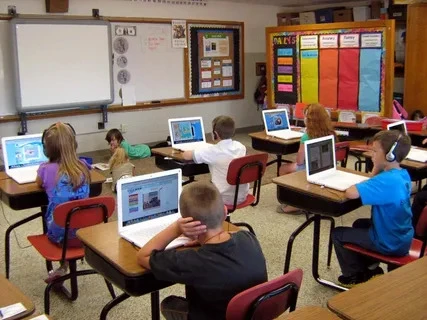

As the use of technology becomes more prevalent in schools, one issue that has gained attention is the need to regulate students' online activities. Many schools are turning to filtering software to restrict access to certain websites and online content. In this article, we will explore the benefits and limitations of school filtering software, including its effectiveness in preventing access to inappropriate content, its impact on student learning and online safety, and the concerns about the limitations and potential negative consequences of its use.
Introduction
What is school filtering software?Why is it important for schools to use filtering software?How does filtering software work?Benefits of School Filtering Software
Preventing Access to Inappropriate Content
The importance of keeping students safe onlineExamples of inappropriate content that filtering software can blockHow filtering software can be customized to fit a school's needsMaintaining Productivity and Focus
The impact of distracting content on student learningHow filtering software can increase productivity and limit distractionsThe role of filtering software in promoting responsible use of technologyLegal Compliance
The legal obligations of schools to protect students from harmful contentThe role of filtering software in ensuring compliance with regulationsThe potential consequences of not using filtering softwareLimitations of School Filtering Software
Overblocking
Examples of legitimate educational content that can be blocked by filtering softwareThe potential negative impact of overblocking on student learningStrategies for minimizing overblockingUnderblocking
Examples of inappropriate content that can go undetected by filtering softwareThe potential negative consequences of underblockingStrategies for minimizing underblockingTechnical Limitations
The challenges of keeping up with new content and online threatsThe limitations of filtering software in detecting certain types of contentThe importance of ongoing monitoring and maintenance of filtering softwareControversies Surrounding School Filtering Software
Censorship and Free Speech
The concerns about limiting students' access to informationThe potential impact of filtering software on students' rights to free speech and expressionStrategies for balancing safety with free speechPrivacy and Surveillance
The concerns about the collection and use of student dataThe potential impact of filtering software on students' privacyStrategies for minimizing privacy concerns while still maintaining safetyConclusion
The importance of using school filtering software to protect students from harmful contentThe need to balance safety concerns with student rights and privacyThe ongoing challenges and limitations of filtering softwareFAQs
Can school filtering software block all inappropriate content?How can schools ensure that filtering software is not overblocking legitimate content?Can students bypass school filtering software?Does filtering software infringe on students' rights to free speech?How can schools address concerns about privacy and surveillance when using filtering software?In conclusion, school filtering software can be an effective tool for schools to protect students from harmful online content and promote responsible use of technology. However, there are limitations to filtering software, including the potential for overblocking and underblocking, technical limitations, and concerns about censorship, free speech, and privacy. Schools must carefully consider these limitations and weigh them against the benefits of filtering software when deciding whether to implement it. Additionally, ongoing monitoring and maintenance of filtering software is crucial to ensure its continued effectiveness and to address any concerns that arise.







Sign in to leave a comment.