
Introduction
Education has always been central to Islamic tradition, with the very first revelation commanding Muslims to “Read in the name of your Lord who created” (Qur’an 96:1). This emphasis on learning has shaped centuries of Muslim scholarship and continues to guide how Islamic schools operate today. Across the world, and particularly in places like the UK, Schools of Islam play a crucial role in providing students with a balance between academic success and spiritual development.
This blog explores what schools of Islam are, their history, purpose, and relevance in modern society, while also examining how they prepare students to live as confident Muslims in a globalised world.
Press enter or click to view image in full size
The Historical Roots of Islamic Schools
From the earliest days of Islam, learning was inseparable from faith. The Prophet Muhammad ﷺ encouraged his followers to seek knowledge, calling it a duty upon every Muslim. This tradition led to the development of madrasahs, universities, and centres of learning that produced some of the world’s greatest thinkers, such as Al-Khwarizmi, Ibn Sina, and Al-Ghazali.
Islamic schools were not limited to theology but covered a wide range of subjects — science, philosophy, literature, and mathematics — showing that Islam encourages both religious and worldly learning.
What Are Schools of Islam Today?
Today, Schools of Islam refer to institutions that integrate modern curricula with Islamic teachings. They are not limited to Qur’an memorisation or Arabic instruction, but instead combine subjects like mathematics, science, and literature with Islamic studies and moral development.
These schools come in different forms:
- Full-time Islamic schools — Providing both national curriculum and Islamic education.
- Weekend/part-time schools (Maktab/Madrasah) — Where students attend after mainstream schooling to learn Qur’an, tajweed, and Islamic studies.
- Islamic higher education institutions — Offering advanced studies in Islamic theology, law (Shariah), and research.
Core Objectives of Islamic Schools
The primary goal of Islamic schools is to nurture well-rounded individuals. Their objectives include:
- Preserving Islamic Identity — Helping children remain connected to their faith while living in non-Muslim-majority societies.
- Academic Excellence — Ensuring students perform at par, if not better, than mainstream schools.
- Character Building (Tarbiyyah) — Instilling Islamic manners, discipline, and compassion.
- Community Service — Encouraging students to give back through charity, volunteering, and leadership roles.
The Role of Islamic Schools in the UK
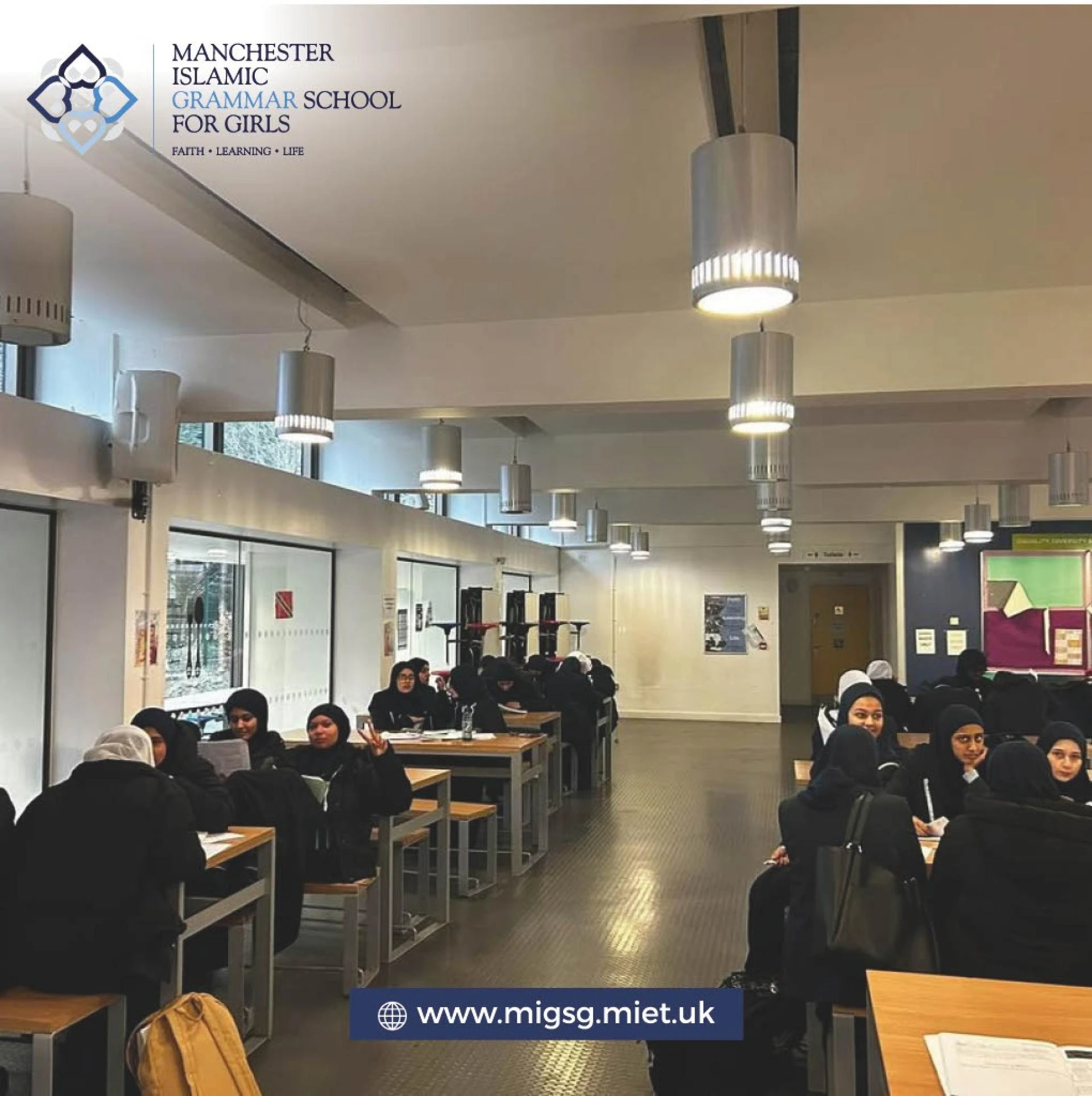
In the UK, Islamic schools have grown significantly over the past decades. They serve as a safe environment where Muslim children can learn without fear of compromising their faith. Schools of Islam in cities like Manchester, Birmingham, and London are now well-established, often producing excellent exam results alongside a strong Islamic ethos.
These schools bridge the gap between secular education and spiritual values, creating a balance that helps young Muslims navigate both worlds with confidence.
Benefits of Schools of Islam
- Faith and Knowledge Together: Students do not need to choose between modern education and religious studies.
- Safe Environment: Respect for modesty, prayer times, and halal lifestyle is ensured.
- Community Building: Islamic schools often foster strong bonds among families and local communities.
- Role Models: Teachers serve as both educators and spiritual mentors.
Challenges Faced by Islamic Schools
Despite their successes, these schools face challenges such as:
- Funding limitations, since many are privately run.
- Stereotypes and misconceptions about madrasa education.
- Balancing dual curricula, which can be demanding for both teachers and students.
Conclusion
Schools of Islam are more than just educational institutions — they are guardians of faith, culture, and identity. By combining Islamic teachings with academic achievement, they equip young Muslims to thrive both spiritually and intellectually. In today’s world, where faith and modernity are often seen as conflicting, schools of Islam stand as living proof that knowledge and spirituality can coexist in harmony.

























Sign in to leave a comment.