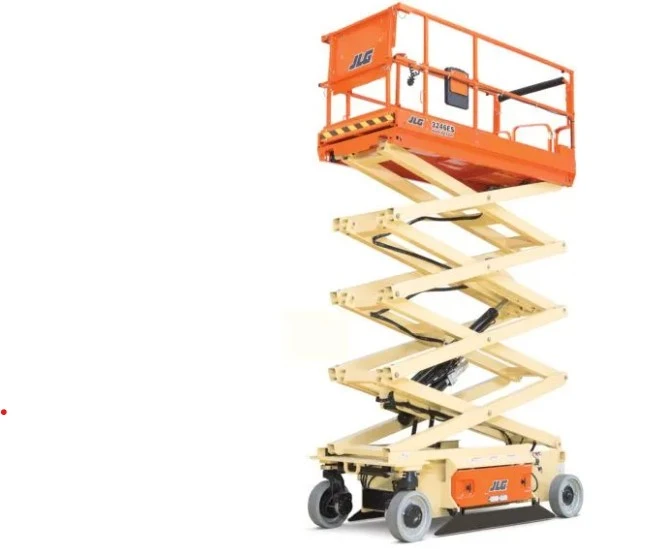

Selecting the right access equipment can make or break job-site efficiency. Among the many options available, scissor lifts stand out for their compact footprint, straightforward controls, and dependable vertical reach. This overview examines when they’re the right choice, how to size a unit, and the practical steps that streamline the rental process—from safety checks to budgeting—while keeping project timelines intact.
Why Scissor Lifts Fit So Many Use Cases
Scissor lifts deliver vertical elevation with a stable, rail-guarded platform, making them suitable for lighting installs, HVAC service, warehouse inventory work, signage, façade maintenance, and light construction. Their key advantages include:
- Stability: A broad base and crisscrossing lift mechanism distribute loads evenly.
- Simplicity: Intuitive controls reduce operator training time.
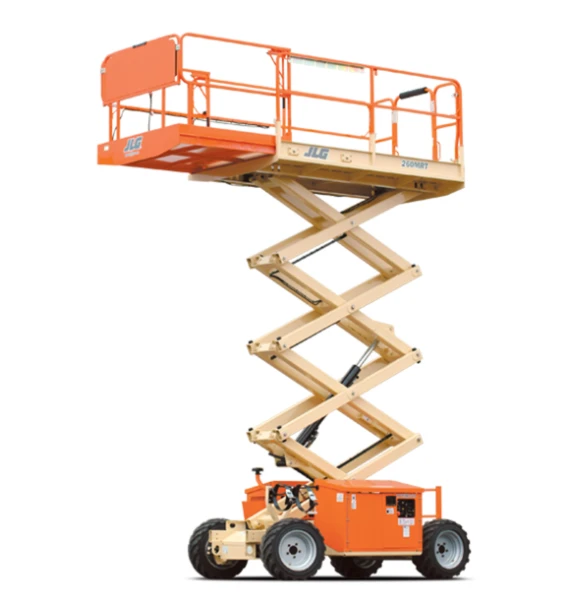
- Versatility: Electric units excel indoors; diesel and rough-terrain models handle uneven surfaces outdoors.
- Compactness: Many models pass through standard doorways and navigate narrow aisles.
In multi-trade environments, a single fleet of lifts can support electricians in the morning and maintenance teams later in the day, reducing idle time and improving utilization.
Matching Lift to Task: Height, Capacity, and Terrain
Before arranging Scissor Lift Hire, teams should define three variables: required platform height, total load (people, tools, materials), and ground conditions. Platform height typically ranges from ~6–18 meters for common models, while load ratings vary widely—always account for dynamic movements and extra materials. For polished concrete or warehouse floors, slab electric units suffice; for gravel, pavers, or graded sites, look for rough-terrain machines with oscillating axles and foam-filled tires.
When work zones are tight, measure door widths, turning radii, and elevator capacities. These prechecks avoid day-one surprises and re-deliveries.
Power Choices: Electric vs. Engine
- Electric (indoor-first): Quiet, zero on-site emissions, and minimal maintenance. Battery health is crucial; schedule charging windows around shift changes and verify the availability of dedicated charging points.
- Diesel or Dual Fuel (outdoor-first): More torque for slopes and windier conditions, but louder and heavier. Confirm local emissions and noise rules if operating near occupied buildings.
For mixed environments, consider hybrid units that can run electrically indoors and switch to combustion outdoors—an approach that many facilities managers find lowers total project disruption.
Safety Essentials That Accelerate Progress
A well-run Scissor Lift Hire program emphasizes safety as a productivity tool. Consistent practices reduce downtime from incidents and inspections:
- Pre-use checks: Guardrails, emergency lowering, pothole protection, tilt sensors, and platform gates.
- Surface assessment: Slopes, trenches, soft ground, and hidden voids are common hazards.
- Weather: Wind ratings matter—especially at full extension with materials on the deck.
- Training & supervision: Documented familiarization for each model; spotters in busy aisles.
- Fall protection: Follow local regulations; some tasks may require harnesses even on scissor platforms.
Embedding these steps into the toolbox talk shortens learning curves for rotating crews.
Streamlining the Hire Process
Organizations that standardize their ewp hire workflow generally see fewer delays. A practical checklist includes:
- Scope the job: Height, load, duty cycle, terrain, and access constraints.
- Confirm site logistics: Delivery windows, offloading gear, and secure parking/charging.
- Align on compliance: Proof of training, risk assessments, and method statements.
- Schedule servicing: Mid-hire inspections for longer runs; battery watering for electrics.
- Plan for spares: If uptime is critical, a backup unit can be cheaper than a halted crew.
For multi-site programs, centralizing ewp hire requests through a single coordinator helps track utilization and rotate equipment where it’s most needed.
Budgeting Without Surprises
Total cost goes beyond the day rate. Account for:
- Transport: Distance, special access requirements, or after-hours delivery.
- Accessories: Extension decks, pipe racks, or non-marking tires.
- Damage waivers & insurance: Understand deductibles and what’s excluded.
- Idle time: Paying for a lift to sit unused can eclipse negotiated discounts.
A quick utilization audit—hours used versus hours on site—often reveals opportunities to consolidate lifts or adjust delivery timing. Teams that share a utilization dashboard commonly trim days off the overall hire period.
Common Pitfalls and How to Avoid Them
- Underspecifying height: Choosing a platform that “almost” reaches forces unsafe workarounds. Build in margin.
- Ignoring floor loading: Mezzanines and older slabs may have limits. Verify before delivery.
- Overlooking charging logistics: Electric lifts without a charging plan lead to mid-shift downtime.
- Last-minute add-ons: Order accessories with the unit to avoid extra delivery fees and delays.
Clear communication between site supervisors, safety leads, and procurement prevents most of these issues.
Environmental Considerations
Sustainability goals increasingly shape equipment decisions. Battery-electric scissor lifts reduce on-site emissions and noise, improving conditions for adjacent tenants or hospital campuses. Where grid power is constrained, portable chargers or staged charging schedules keep fleets moving. Documenting these benefits supports ESG reporting without altering the construction program.
Conclusion
Scissor lifts succeed because they combine stability, simplicity, and versatility in one platform. By defining project requirements up front, aligning safety and training, and planning logistics—from delivery routes to power—teams can deploy the right unit quickly and keep it productive. The result is safer access, fewer delays, and predictable costs across a broad range of tasks.










Sign in to leave a comment.