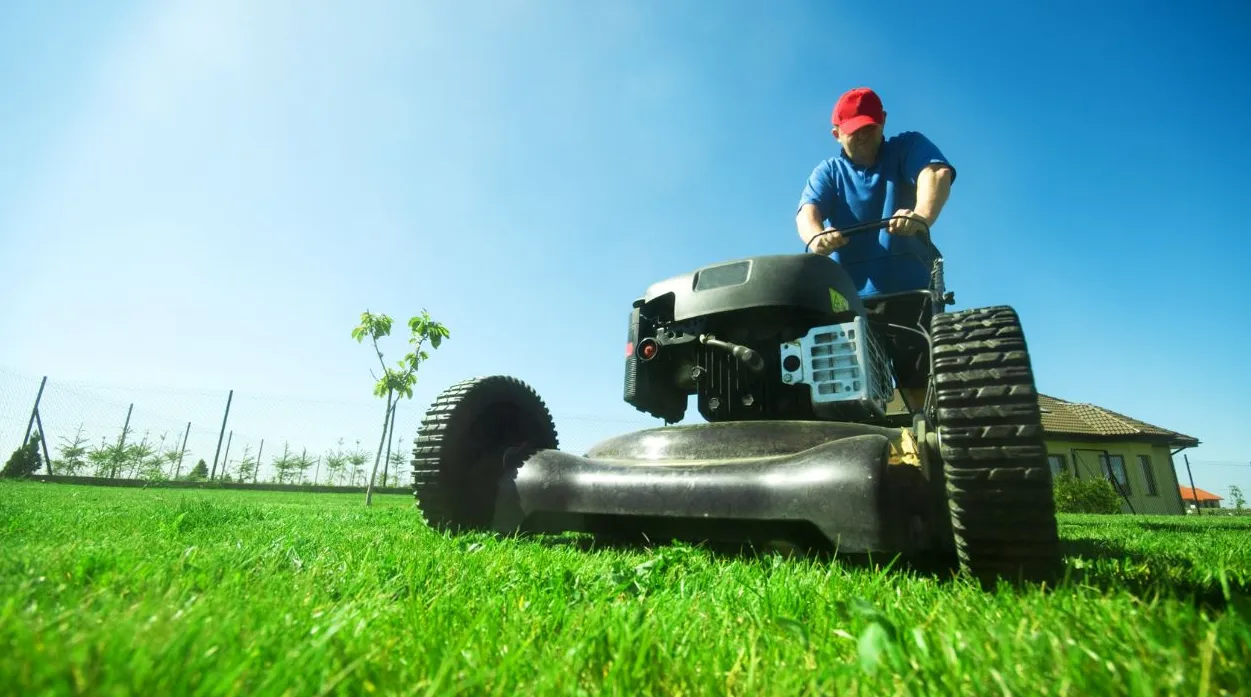

Maintaining a lush, healthy lawn requires more than occasional trimming. Understanding the right timing and frequency for mowing is essential, especially if you want long-lasting results. Whether you rely on professional lawn mowing services or manage your yard yourself, a seasonal approach helps you keep your grass strong, green, and resilient throughout the year.
Why Seasonal Lawn Care Matters
Grass growth is not consistent all year round. It responds to changes in temperature, sunlight, and moisture levels. Mowing at the wrong time or too frequently can weaken the lawn, making it more vulnerable to pests, weeds, and disease. On the other hand, cutting it correctly encourages thicker growth and a more even appearance.
Each season brings different challenges. From rapid spring growth to slow winter dormancy, adjusting your mowing routine ensures your lawn gets the care it needs at the right time.
Spring: Setting the Foundation for Growth
Spring is when your lawn wakes up after winter. As temperatures rise, grass begins to grow quickly, making it one of the busiest times for mowing.
When to Start Mowing in Spring
Begin mowing once your grass reaches about 3 to 4 inches in height. Cutting too early, when the ground is still soft, can damage roots and create uneven patches. It’s important to wait until the soil is firm and the grass is actively growing.
How Often to Mow
During peak spring growth, mowing once a week is usually ideal. In some cases, fast-growing grass may require cutting every 5 days. The key is to avoid removing more than one-third of the grass blade in a single session.
Best Practices for Spring
- Keep mower blades sharp for clean cuts
- Avoid mowing wet grass to prevent clumping
- Change mowing patterns to avoid soil compaction
Spring mowing sets the tone for the rest of the year. Proper care during this season encourages a dense and healthy lawn.
Summer: Managing Heat and Stress
Summer introduces heat and dryness, which can stress your lawn. Mowing habits need to shift to protect grass from harsh conditions.
Adjusting Mowing Height
In warmer months, it’s best to keep your grass slightly taller. Longer blades provide shade to the soil, helping retain moisture and reduce weed growth. Aim for a height of around 3 to 4 inches, depending on your grass type.
How Often to Mow in Summer
Growth slows down during extreme heat, so mowing every 10 to 14 days is often enough. Over-mowing can weaken the grass and lead to brown patches.
Smart Summer Mowing Tips
- Mow during cooler parts of the day, such as early morning or late evening
- Leave grass clippings on the lawn to retain moisture (mulching)
- Avoid cutting during drought conditions
Being mindful of your mowing routine in summer helps your lawn stay healthy despite environmental stress.
Fall: Preparing for Cooler Weather
Fall is a recovery period for your lawn. Cooler temperatures and increased moisture create ideal conditions for growth and repair.
Mowing Frequency in Fall
Grass begins to grow more steadily again, so mowing once a week is generally recommended. As temperatures drop further, you can gradually reduce the frequency.
Lowering the Mowing Height
Toward the end of the season, slightly reduce the mowing height. This helps prevent mold and disease during winter months. However, avoid cutting it too short, as grass still needs some length for insulation.
Key Fall Lawn Care Practices
- Keep the lawn free of fallen leaves
- Continue mowing until growth stops completely
- Maintain consistent cutting patterns
Fall mowing plays a crucial role in preparing your lawn for dormancy and ensuring it comes back strong in spring.
Winter: Letting the Lawn Rest
Winter is a dormant period for most grass types. Growth slows down significantly or stops altogether, making mowing unnecessary in most cases.
Should You Mow in Winter?
In colder regions, mowing typically stops once frost sets in. If you live in a milder climate where grass continues to grow slowly, occasional trimming may be needed.
Protecting Your Lawn During Winter
- Avoid walking on frozen grass to prevent damage
- Clear debris to reduce the risk of disease
- Store and maintain your mower for the next season
Allowing your lawn to rest during winter ensures it retains energy for the growing seasons ahead.
Factors That Influence Mowing Frequency
While seasonal guidelines provide a general framework, several factors can affect how often you should mow your lawn.
Grass Type
Different grass species grow at different rates. Cool-season grasses tend to grow rapidly in spring and fall, while warm-season varieties peak in summer.
Weather Conditions
Rainfall and temperature directly impact growth. Frequent rain can accelerate growth, requiring more frequent mowing, while drought conditions slow it down.
Soil Health and Fertilization
Well-nourished lawns grow faster and may need more regular trimming. Proper fertilization promotes healthy growth but also increases mowing frequency.
Lawn Usage
Lawns that experience heavy foot traffic may require more maintenance to stay even and visually appealing.
Common Mowing Mistakes to Avoid
Even with the best intentions, certain mistakes can harm your lawn’s health.
- Cutting grass too short, which weakens roots
- Using dull mower blades that tear instead of cut
- Mowing at irregular intervals
- Ignoring seasonal adjustments
Avoiding these errors can make a noticeable difference in the quality of your lawn.
Benefits of Following a Seasonal Mowing Schedule
A well-planned mowing routine offers several advantages:
- Promotes thicker and healthier grass
- Reduces weed growth naturally
- Improves overall lawn appearance
- Minimizes the risk of pests and diseases
Consistency is key. When you align your mowing habits with seasonal needs, your lawn becomes easier to manage and more visually appealing.
When to Consider Professional Help
Managing a lawn can be time-consuming, especially during peak growing seasons. Professional services bring expertise, proper equipment, and efficiency to the task. They understand regional climate conditions and can tailor mowing schedules accordingly.
If maintaining a consistent routine feels challenging, hiring professionals can ensure your lawn receives the care it needs without added stress.
Final Thoughts
A healthy lawn doesn’t happen by chance. It requires attention, timing, and the right techniques throughout the year. By understanding how seasons affect grass growth, you can adjust your mowing schedule to match changing conditions. From frequent cuts in spring to careful maintenance in summer and preparation in fall, each step plays a role in achieving a vibrant yard.
Whether you prefer a hands-on approach or rely on expert support, following a seasonal strategy will keep your lawn looking its best. For those seeking reliable solutions tailored to local conditions, exploring options like lawn mowing Lethbridge can help maintain a well-groomed and thriving outdoor space year-round.


























Sign in to leave a comment.