
Introduction
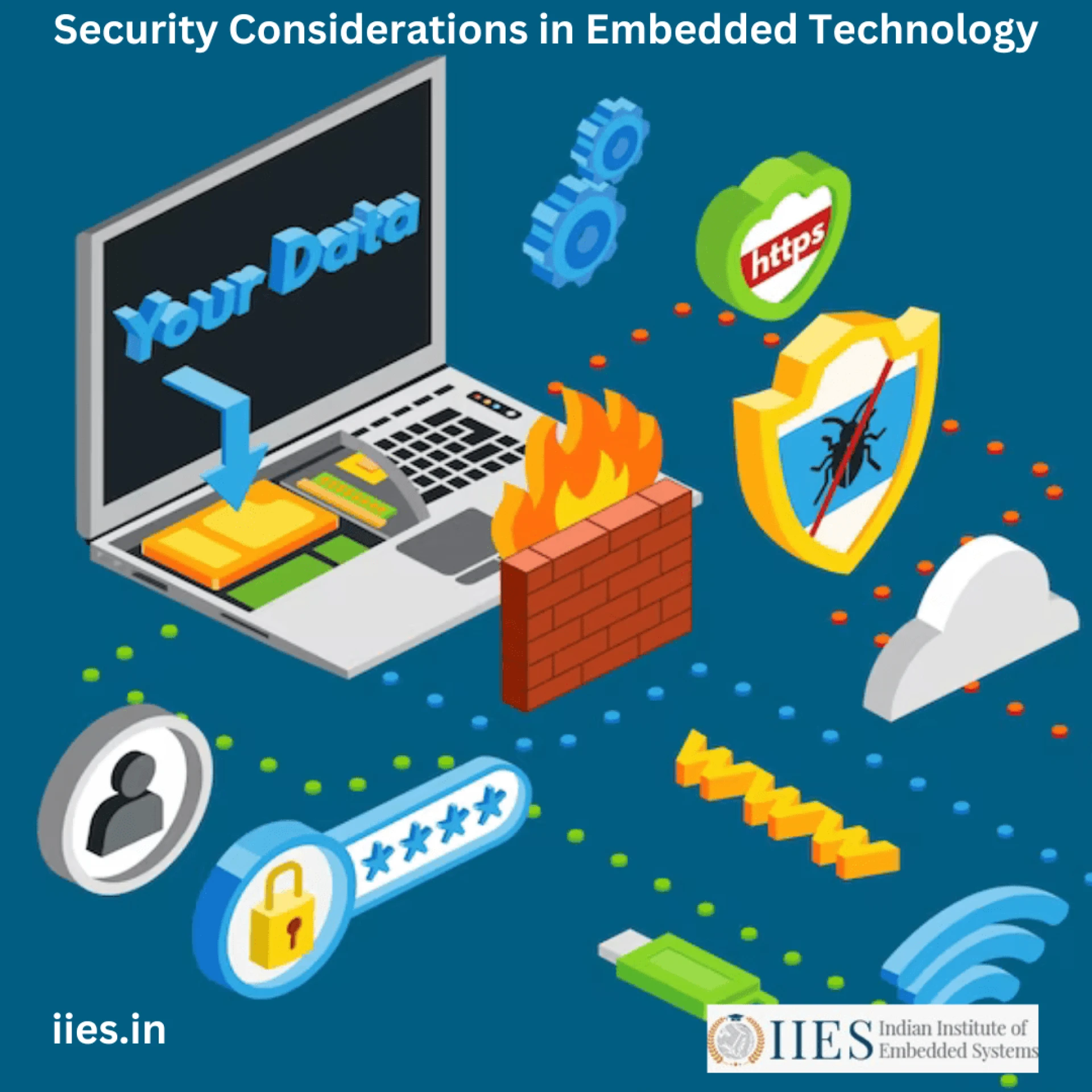
Embedded technology plays a central role in many critical systems, including aerospace, medical devices, and industrial automation. As embedded systems become more interconnected and integrated, they are becoming vulnerable to security threats. Malicious actors can exploit security weaknesses to gain unauthorized access, modify code, or extract sensitive information. This blog post will explore some of the critical security considerations in embedded technology, discussing security risks, best practices for secure embedded systems, and frameworks for assessing embedded system security.
Security Risks in Embedded Technology
Embedded technology presents several unique security risks and challenges. Some of these include:
Unauthorized Access
Due to their small footprint, embedded systems often have limited resources to implement advanced security measures. As a result, hackers can gain unauthorized access to such systems, allowing them to execute malicious code or extract valuable data.
Software Vulnerabilities
Embedded systems run specific programs that may contain software vulnerabilities that attackers can exploit. In many cases, these vulnerabilities arise due to outdated software, poor programming practices, or lack of firmware updates.
Physical Tampering
Embedded systems often operate in harsh environments or remote locations, making them vulnerable to physical attacks. Attackers can tamper with embedded hardware components, such as sensors and microcontrollers, to gain unauthorized access or disrupt system operations.
Best Practices for Secure Embedded Systems
To secure embedded systems, developers and system designers must follow best practices, such as:
Secure Design and Development
Embedded systems should undergo secure design and development practices. This begins with the evaluation of system security risks and threats and assessment of external dependencies, such as third-party software and APIs.
Secure Configuration and Access Control
Configuration management and access control are essential in securing embedded systems. This includes management of system passwords, authentication, authorization, and encryption of sensitive data.
Firmware and Software Updates
Embedded systems need firmware and software updates to patch vulnerabilities and address security issues. The update process must be systematic, secure, and regularly scheduled.
Communication Security
Embedded systems must communicate securely, and this requires using encryption, secure protocols, and authentication mechanisms. Communication security is essential in protecting sensitive data from being intercepted or modified.
Frameworks for Assessing Embedded System Security
Frameworks for assessing the security of embedded systems allow designers and developers to analyze and improve system security. Some examples of such frameworks include:
Open Web Application Security Project (OWASP)
OWASP provides a set of standards, tools, and guidelines for securing web applications, including those used in embedded systems. It offers assessment frameworks and testing methodologies for determining system vulnerabilities and potential threats.
Common Vulnerability Scoring System (CVSS)
CVSS is a standard for assessing the severity of software vulnerabilities. It evaluates security threats based on their impact, vulnerability, and access complexity. CVSS scoring helps prioritize actions and patching of system vulnerabilities.
IEC/ISA 62443
The IEC/ISA 62443 standard provides guidelines and recommendations for securing industrial automation and control systems, including embedded technology. The standard covers topics such as risk management, access control, security monitoring, and incident response.
Conclusion
As embedded technology continues to play a critical role in many industries, securing embedded systems is of utmost importance. Developers and system designers must follow best practices for secure development and operate a secure configuration. They must also consider the unique challenges of embedded systems, take appropriate security measures, and follow security frameworks to detect and address any potential security issues. By securing embedded systems, we can protect these critical systems from malicious actors and ensure their continued reliability and safety.
Dreaming of a successful career in embedded systems? Turn your dreams into reality at IIES - embedded systems course with placement , the prestigious Indian Institute of Embedded Systems in Bangalore. Our embedded courses are meticulously crafted to meet industry demands, providing you with the skills and expertise required to stand out in the job market.









Sign in to leave a comment.