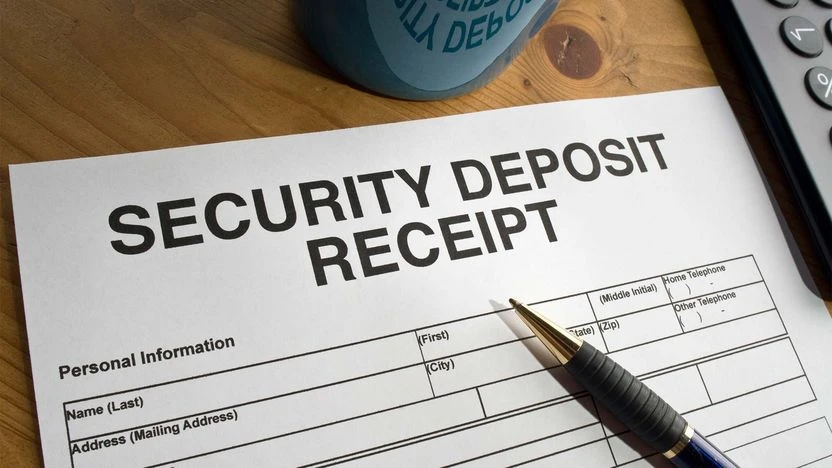

When it comes to renting property in North Carolina, security deposits play a crucial role in protecting landlords and providing peace of mind for tenants. Understanding the rules and regulations governing security deposits under landlord-tenant law in NC is essential for both parties to ensure a smooth and legally compliant rental experience. This blog will delve into the key aspects of security deposits, offering valuable insights for landlords and tenants alike.
What is a Security Deposit?
A security deposit is a sum of money paid by the tenant to the landlord at the beginning of a tenancy. It serves as a financial safeguard for the landlord against potential damages to the property, unpaid rent, or other lease violations. North Carolina law provides specific guidelines on how security deposits should be handled, ensuring fairness and transparency in the rental process.
Maximum Amount of Security Deposit
Under North Carolina law, the maximum amount a landlord can charge for a security deposit depends on the length of the lease:
These limits are designed to prevent landlords from requiring excessive amounts that could burden tenants financially.
Handling and Storing Security Deposits
Landlords in North Carolina are required to handle security deposits responsibly. According to landlord tenant law NC, security deposits must be deposited in a trust account with a licensed and insured bank or savings institution located in North Carolina. Alternatively, landlords can obtain a bond from an insurance company licensed to do business in the state.
Within 30 days of receiving the security deposit, the landlord must provide the tenant with written notice of the name and address of the bank or institution where the deposit is being held or the name of the insurance company providing the bond.
Permissible Uses of Security Deposits
Landlords can use security deposits for specific purposes outlined in the North Carolina General Statutes:
It's important for landlords to provide an itemized list of deductions from the security deposit to the tenant, along with any remaining balance, within 30 days of lease termination. If the landlord needs more time to assess damages, they can provide an interim accounting within 30 days and a final statement within 60 days.
Returning Security Deposits
Upon termination of the lease, landlords must return the security deposit to the tenant, minus any legitimate deductions, within 30 days. If deductions are made, an itemized list detailing the reasons for each deduction must accompany the remaining balance of the deposit. This ensures transparency and provides tenants with a clear understanding of any charges.
Disputes and Legal Recourse
In cases where tenants believe their security deposit has been wrongfully withheld or misused, they have the right to take legal action. North Carolina law allows tenants to file a claim in small claims court to recover their deposit. If the court finds that the landlord acted in bad faith, the tenant may be entitled to additional damages.
To avoid disputes, it is advisable for both landlords and tenants to conduct a thorough move-in and move-out inspection, documenting the condition of the property with photos or videos. This can serve as evidence in case of any disagreements over damages.
Tips for Tenants
Understand Your Lease: Before signing a lease, carefully read and understand the terms related to the security deposit. Ask questions if anything is unclear.Document the Property Condition: Conduct a detailed inspection of the property at move-in and move-out, documenting any pre-existing damages.Communicate with Your Landlord: Maintain open communication with your landlord regarding any issues that arise during your tenancy. Promptly report damages or maintenance needs.Follow Lease Terms: Adhere to the terms of your lease agreement to avoid deductions from your security deposit.Tips for Landlords
Use a Standard Lease Agreement: Ensure your lease agreement complies with North Carolina law and clearly outlines the terms regarding the security deposit.Provide Written Notices: Give tenants written notice of where their security deposit is being held, as required by law.Conduct Thorough Inspections: Perform detailed inspections at move-in and move-out to accurately assess the condition of the property.Keep Accurate Records: Maintain detailed records of any deductions made from the security deposit and provide itemized statements to tenants.Conclusion
Understanding the rules and regulations surrounding security deposits under landlord-tenant law in NC is essential for both landlords and tenants. By adhering to these guidelines, landlords can protect their investments, and tenants can ensure their rights are respected. Clear communication, thorough documentation, and compliance with legal requirements are key to a smooth and fair rental experience in North Carolina.


























Sign in to leave a comment.