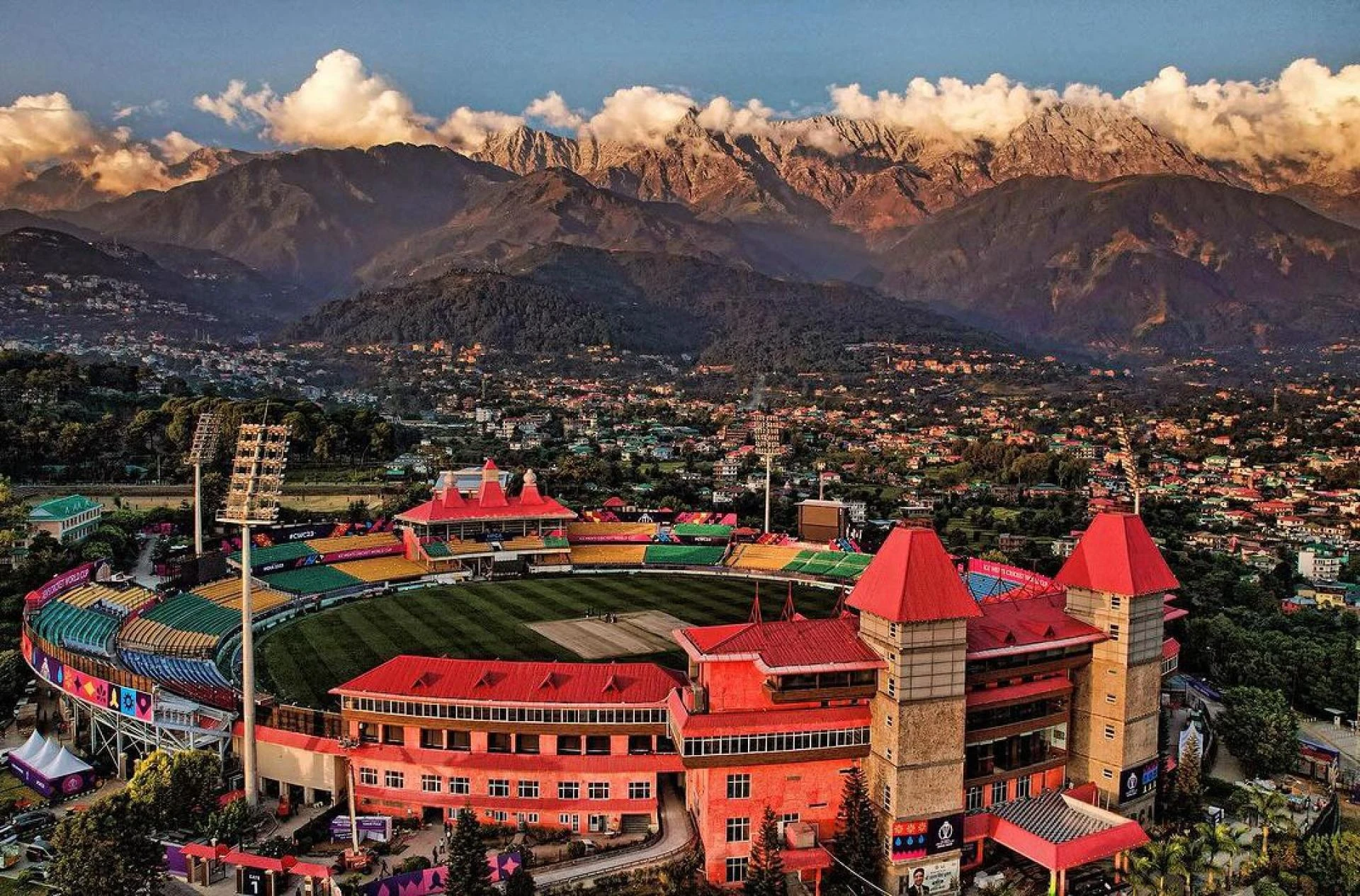

The name of the city Dharamsala translated from Sanskrit means “spiritual dwelling,” or according to another version, “shelter at the temple.” Across the ages, this quaint township has served as a sanctuary for pilgrims, gaining contemporary renown as the abode of the Dalai Lama. The predominant inhabitants are monks, their presence extending beyond monastery walls, amicably engaging with tourists in streets and cafés. Dharamsala epitomizes tranquility and serenity, boasting stunning natural landscapes—lush pine and cedar forests, picturesque lakes, and panoramic vistas of the majestic snow-clad Himalayas.
Entertainment and attractions in Dharamsala
In the city, you can not only sign up for a tour, as every respectable tourist does but also get to know the Tibetans, their life, customs, and culture. Here you can even become part of the monastic community, teaching English to newly arrived monks/nuns, studying yoga or Buddhism, undergoing training in one of the Tibetan organizations, etc. In general, if you want to become a hermit and achieve Nirvana, then Dharamsala is the place that you need.
The duality mentioned at the beginning is also expressed in the layout of the city. Dharamsala is divided into two parts: the lower part, which houses the courts, government bodies, and the oriental bazaar (locals call it Kotwali bazaar), and the upper part, where McLeod Ganj and Forsyth Gan are located.
McLeod ganj
Mcleod Ganj - This area began to grow after the Tibetan government in exile settled in it. Here, like mushrooms after a summer rain, Tibetan religious settlements and various rehabilitation centers appeared. McLeod Ganj today is the largest Buddhist center.
Within this extensive property lie multiple edifices, housing not just living quarters but also an elaborate temple setting. Those intrigued by Tibetan Buddhism would find a visit to this place imperative. You can attend daily services. Many high-level Lamas live here permanently, and you will have the chance to listen to their speeches and, perhaps, communicate in person. A grand library containing Tibetan texts, manuscripts, and relics is also open to the public.
Bagsunag Waterfall
Bhagsunag Fall is located 11 km from the city. The waterfall is famous for its ancient temple and a source of fresh water. There is also a beautiful slate quarry there. It is easy to get to the waterfall by car. Bhagsu Falls is the main attraction of McLeod Ganj that is included in the Dharamshala trip package, so don’t miss the opportunity to take a dip in its cool waters.
St. John's Church
In a serene enclave of woodlands, St. John's Church peacefully rests, situated a mere 8 kilometers from the energetic city center. It's a serene haven, veiled between McLeod Ganj and Forsyth Ganj, graced by a tribute to Lord Elgin, a notable Viceroy of India. The allure lies not just in its architectural marvel but in the unique fusion of a Christian cemetery and an ancient church, a rare sight amid India's tropical landscape.
Dharamkot
Dharamkot, a hill 14 km from the city, is an amazing place that is simply created for picnics in nature. Therefore, do not forget to take food supplies with you. Getting here is easy, you just need to follow the flat road starting from Bhagsu. Right there, along the road, there are a large number of restaurant-type shops, so if you suddenly want to drink, relax, or have a snack, then no problem!
War Memorial
A memorial erected in honor of those who perished in the Tibetan War of Independence stands proudly at the city's gateway, nestled within a serene woodland, with a nearby snack bar providing solace for visitors. Crafting memories within the tranquil embrace of Dharamshala, visitors immerse themselves in a tapestry of spirituality, cultural vibrancy, and natural splendor. A Dharamshala tour package to this spiritual abode is an odyssey worth embarking on, offering a harmonious blend of tranquility and enlightenment.










Sign in to leave a comment.