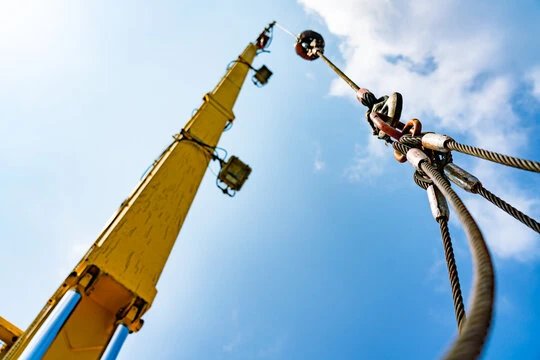

First of all, A vital component of many businesses, including manufacturing, construction, entertainment, and logistics, is rigging. To ensure productivity, safety, and a successful project’s completion, the right rigging equipment must be chosen. We’ll go over important factors and recommendations in this post to assist you in selecting the ideal rigging equipment for your project.
Evaluating Project Requirements:
Do a thorough evaluation of your project’s needs before you start rigging equipment. Take into account variables including the weight of the load, the size, shape, and any particular qualities of the objects being transported. Having a thorough understanding of these details will help you choose the best rigging equipment.
Recognizing Load limitations:
Knowing load limitations is a basic requirement when selecting rigging equipment. There is a maximum capacity for each piece of rigging equipment, and going beyond these limitations might result in mishaps and equipment failure. To choose the proper equipment for the weights you’ll be handling, go to the load charts supplied by the manufacturers of the equipment.
Types of Rigging Equipment:
a. Wire Rope: A flexible option for lifting and transporting materials, wire ropes are strong under all circumstances and perfect for heavy loads.
b. Synthetic Slings: Synthetic slings are lightweight and flexible, and are frequently used for loads that are delicate or curved differently.
c. Hardware, Hooks, and Shackles: Consider the kinds of hardware, hooks, and shackles that are required for your project. Make sure they fit the selected lifting technique and are graded suitably.
Environmental Considerations:
A variety of environmental conditions, like high or low temperatures, wetness, or corrosive materials, may be present in rigging equipment applications. Make sure the materials and coatings on your equipment are appropriate for the working environment. Configuration and Rigging Plan: Create a rigging plan that details every step of the lifting procedure. Take into account the rigging configuration, taking into account the quantity of attachment points, lift angles, and equipment required for each phase. A carefully considered plan can minimize errors and maximize the effectiveness of the process.
Conformity with Safety Standards:
Verify that every piece of chosen rigging equipment conforms to industry safety standards and laws. To ensure the equipment’s continuous dependability and safety throughout the project, do routine maintenance and inspections.
In summary, selecting the appropriate rigging equipment for your project is essential to guaranteeing the effectiveness and security of lifting operations. Through meticulous evaluation of project specifications, comprehension of load limitations, contemplation of environmental aspects, and adherence to safety guidelines, you can with assurance choose the best rigging equipment for your particular requirements. Always keep in mind that the most important thing in any rigging job is safety.
























Sign in to leave a comment.