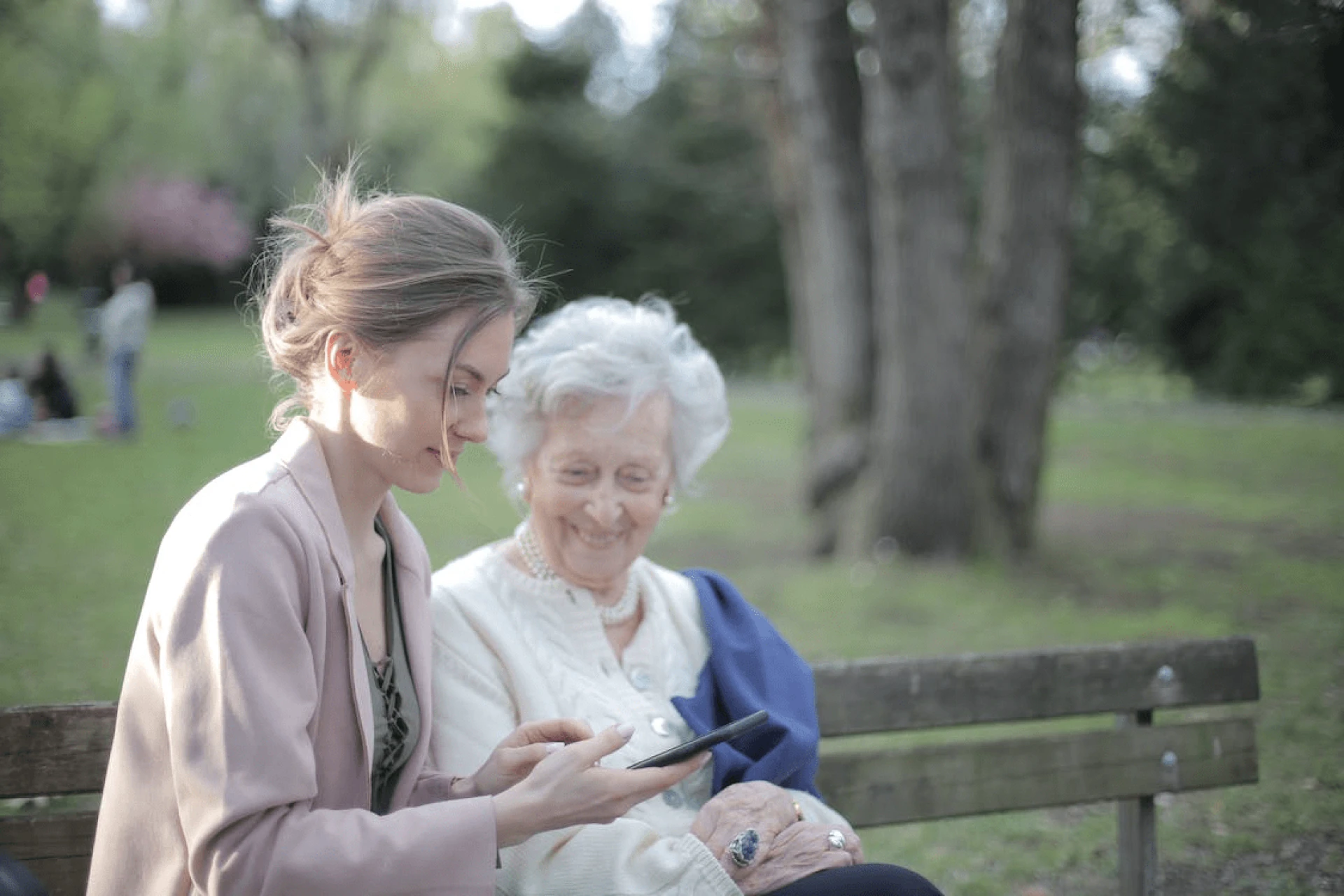

Caring for a loved one can be one of the most rewarding experiences in life, but it can also be physically and emotionally demanding. Whether you're a family caregiver looking after an aging parent, a partner supporting someone with a chronic illness, or a dedicated friend, the role of a caregiver is filled with responsibilities and challenges.
And while it’s easy to ignore your well-being in the face of a loved one’s greater troubles, ignoring self-care may not be the best strategy in the long run.
Here’s what you need to know about self-care for caregivers and why it's important.
The Caregiver's Dilemma
Caregiving often involves significant stress and can sometimes feel like an all-consuming role. The dilemma many caregivers face is balancing providing the best possible care for their loved ones and taking care of themselves. While fulfilling their caregiving duties, caregivers often neglect their well-being, leading to burnout, physical health issues, and emotional exhaustion.
The Importance of Self-Care
Self-care is not a luxury but a necessity for caregivers. It's about recognizing that you also deserve care and attention to maintain your physical and mental health. By prioritizing self-care, you can better fulfill your caregiving role and provide the best possible support to your loved one. Here are some reasons why self-care is vital for caregivers:
Preventing Burnout
Caregiver burnout is a real concern. It can result in physical ailments, mental fatigue, and decreased ability to provide care effectively. Regular self-care activities can prevent burnout and help you stay resilient.
Enhancing Emotional Well-being
Caring for a loved one can bring about a range of emotions, from joy and fulfillment to frustration and sadness. Self-care helps you manage these emotions and maintain a positive outlook.
Maintaining Physical Health
Neglecting your health can lead to chronic conditions or worsen existing ones. Self-care practices like exercise and proper nutrition are essential for maintaining physical well-being.
Improving Relationships
Self-care can improve your relationships with your loved ones and others. When well-rested and emotionally stable, you're better equipped to provide support and be present in your interactions.
Practical Self-Care Strategies
Now that we've established the importance of self-care for caregivers, let's explore practical strategies to incorporate self-care into your daily routine:
Set Boundaries
Establish clear boundaries between your caregiving responsibilities and personal time. Communicate these boundaries with your loved one and other family members if necessary.
Seek Support
Don't hesitate to ask for help or seek support from friends, family, or support groups. You're not alone in this journey, and sharing the caregiving load can provide relief.
Take Short Breaks
Even short breaks can make a significant difference. Use these moments to relax, practice deep breathing, or engage in a brief mindfulness exercise.
Exercise Regularly
Physical activity is an excellent stress reliever. Whether it's a daily walk, yoga, or a visit to the gym, make exercise a part of your routine.
Prioritize Sleep
Ensure you get enough sleep to maintain your energy levels and mental clarity. If nighttime caregiving is required, consider taking short naps during the day.
Maintain a Healthy Diet
Eating well-balanced meals can boost your physical and emotional well-being. Avoid excessive caffeine or alcohol, which can contribute to stress and disrupt sleep.
Practice Mindfulness and Relaxation
Mindfulness meditation, deep breathing exercises, and progressive muscle relaxation can help reduce stress and improve your ability to cope with caregiving challenges.
Stay Informed
Educate yourself about your loved one's condition and caregiving techniques. Knowledge empowers you to provide better care and reduces anxiety.
Find Joy in Small Moments
Celebrate the small victories and find joy in everyday moments. It can be as simple as sharing a laugh, enjoying a hobby, or savoring a cup of tea.
Consider Respite Care
Explore respite care options that allow you to take a break while ensuring your loved one receives quality care from a temporary caregiver.
The Ripple Effect of Self-Care
When caregivers prioritize self-care, it creates a positive ripple effect that benefits both them and their loved ones. Here's how self-care can enhance the caregiving experience:
Improved Caregiver-Loved One Relationship
You're better equipped to provide patient, empathetic, and effective care for your loved one by caring for yourself. Your well-being contributes to their well-being.
Reduced Stress for Everyone
A less stressed caregiver can create a calmer and more harmonious atmosphere at home, benefiting all family members, including the care recipient.
Modeling Healthy Behavior
Setting an example of self-care teaches your loved one about the importance of self-care for their own health and well-being.
Longevity in the Caregiving Role
Practicing self-care can extend your ability to provide care over the long term, preventing caregiver burnout and enabling you to be there for your loved one consistently.
Finding Professional Caregivers for the Elderly at Home
One of the best ways to prioritize self-care is to seek professional help from experts like the ones at King’s Grace Homecare. Their team provides private care for the elderly at home, and their homecare assistance programs can be real game changers for you and your loved ones.
Contact them to learn more.
About The Author
The author is a dedicated caregiver with over 35 years of experience providing compassionate support to TBI patients. They are passionate about promoting caregiver well-being and sharing insights to help others navigate the challenges of caregiving with resilience and care.
























Sign in to leave a comment.