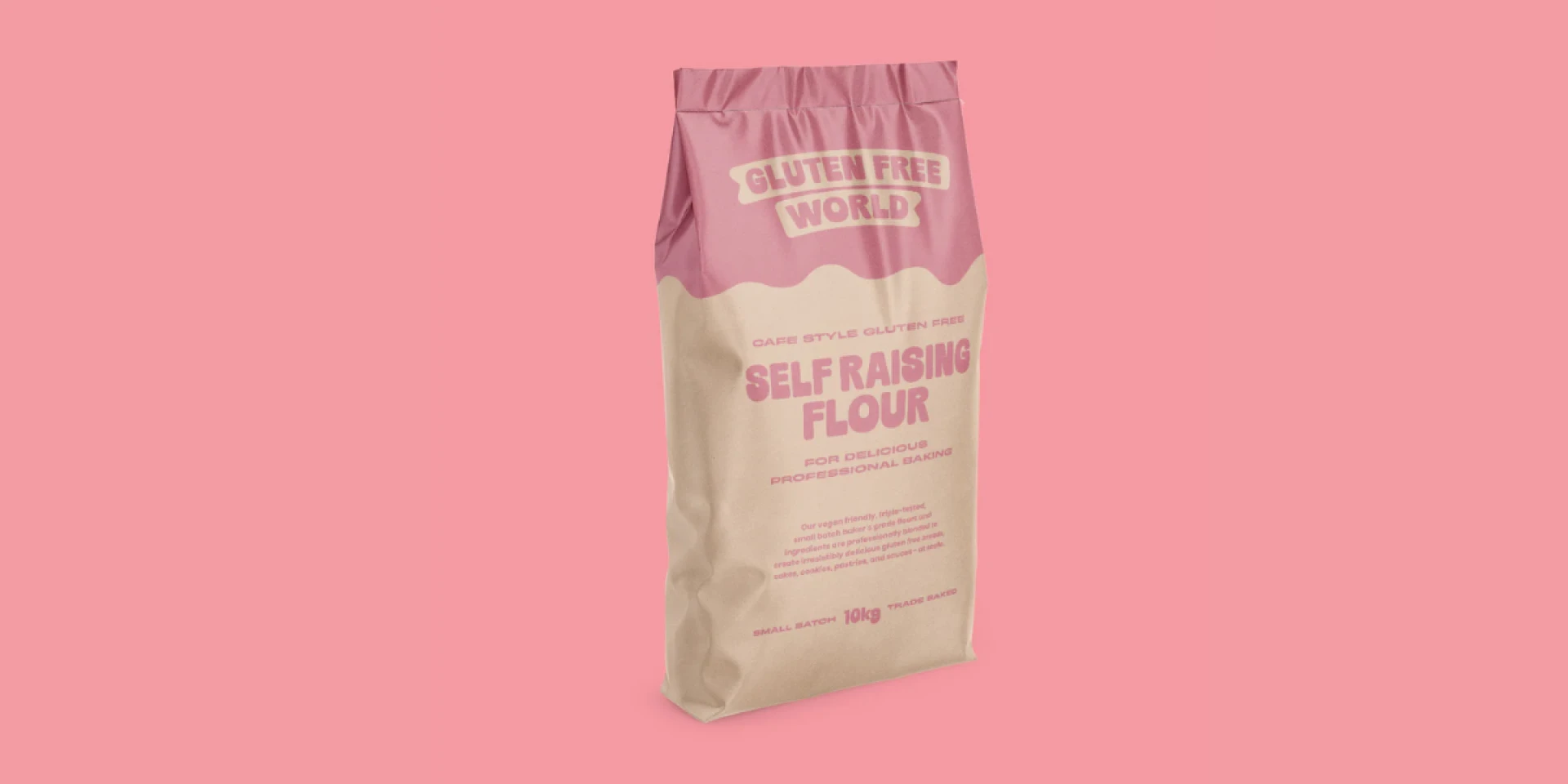

Self-raising flour exists for one reason: speed without guesswork. It combines flour with the right raising agents so you can bake quickly and still get an even rise. In gluten-free baking, that convenience becomes even more valuable because structure is harder to build and small ratio errors show up fast.
A good self-raising gluten-free flour helps home bakers make cakes, scones, and quick bakes that rise evenly, bake soft, and hold together when sliced.
Why self-raising flour helps gluten-free baking
In traditional baking, gluten provides elasticity and helps trap air. Without it, the rise depends heavily on correct leavening and hydration. If baking powder is measured slightly wrong, a cake can turn dense or collapse after baking.
Self-raising flour removes one variable. The leavening is already balanced inside the blend, so you can focus on mixing, moisture, and bake time.
What to bake with self-raising gluten-free flour
This flour suits:
- simple sponge cakes and cupcakes
- scones and tea-time bakes
- quick loaves that rely on baking powder
- light muffins when you want a softer crumb
It’s also a great way to build confidence for beginners because it reduces the number of moving parts in a recipe.
Mixing rules that prevent common problems
Quick bakes need a gentle hand. Mix until combined, then stop. Overmixing can create tunnels in cakes or a tough texture in scones.
For scones, keep ingredients cold, handle lightly, and avoid compressing the dough too much. A light touch supports a better rise.
Hydration and resting still matter
Even with self-raising flour, hydration is a major driver of texture. Gluten-free batters often improve after a short rest. Ten minutes can be enough to smooth the batter and support a more even crumb.
If your cake looks done but the centre sinks, it may be underbaked or the oven temperature may be running low. An oven thermometer helps.
Better storage for soft texture
Gluten-free bakes can dry out quickly. Store in an airtight container once fully cooled. Many cakes freeze well, which is useful for meal prep, birthdays, and school events.
Conclusion
Self-raising gluten-free flour is the shortcut that still delivers proper baking results. It reduces guesswork, supports a steady rise, and helps you turn out cakes and scones that feel like real comfort food.
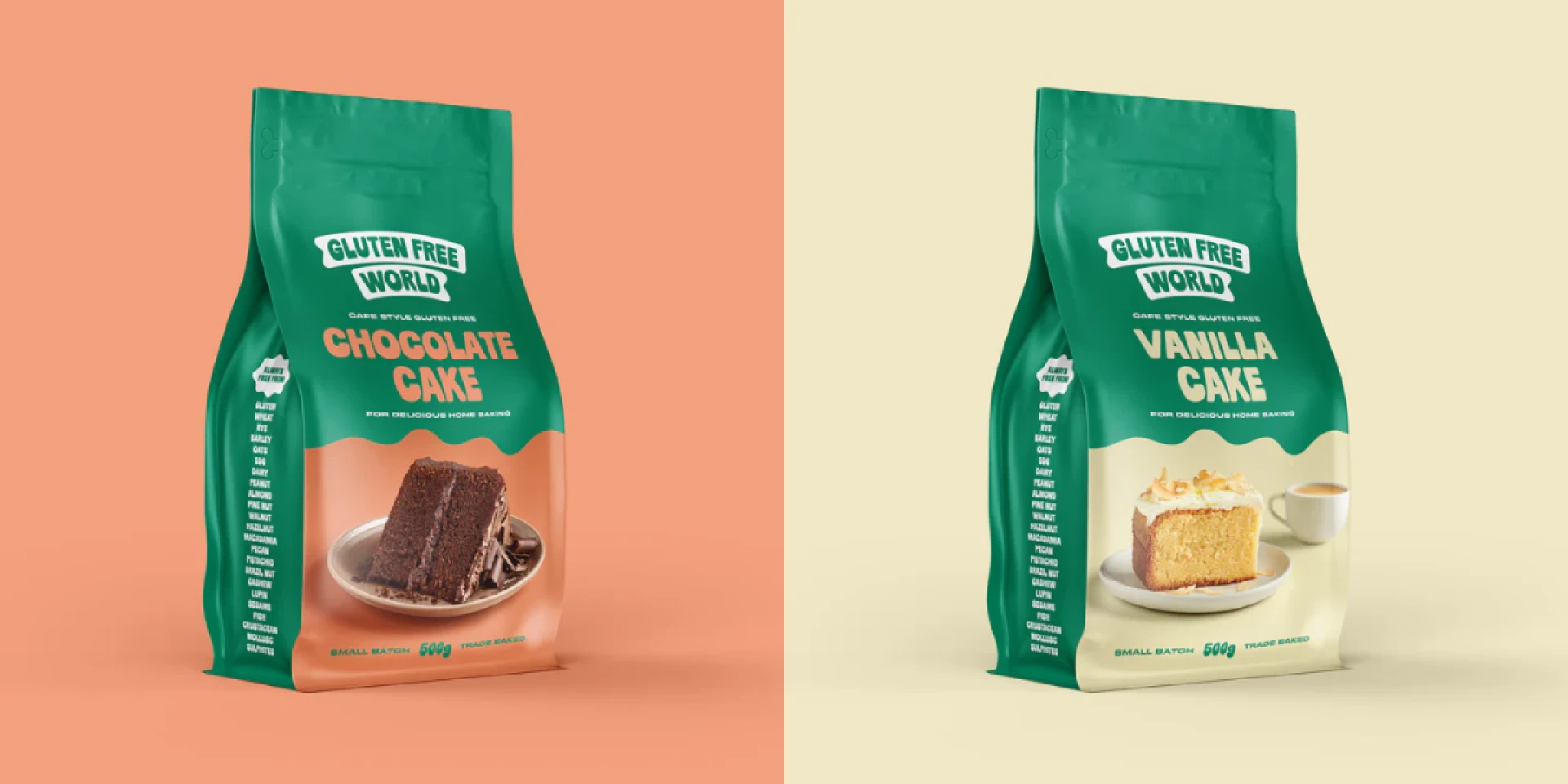
Gluten Free World offers self-raising gluten-free flour in home and bulk sizes for everyday bakers and busy kitchens. Contact us if you’d like recommendations based on what you bake most often.

























Sign in to leave a comment.