Semi-Recessed Bathroom Basins: A Practical Option for Shallow Vanity Benchtops

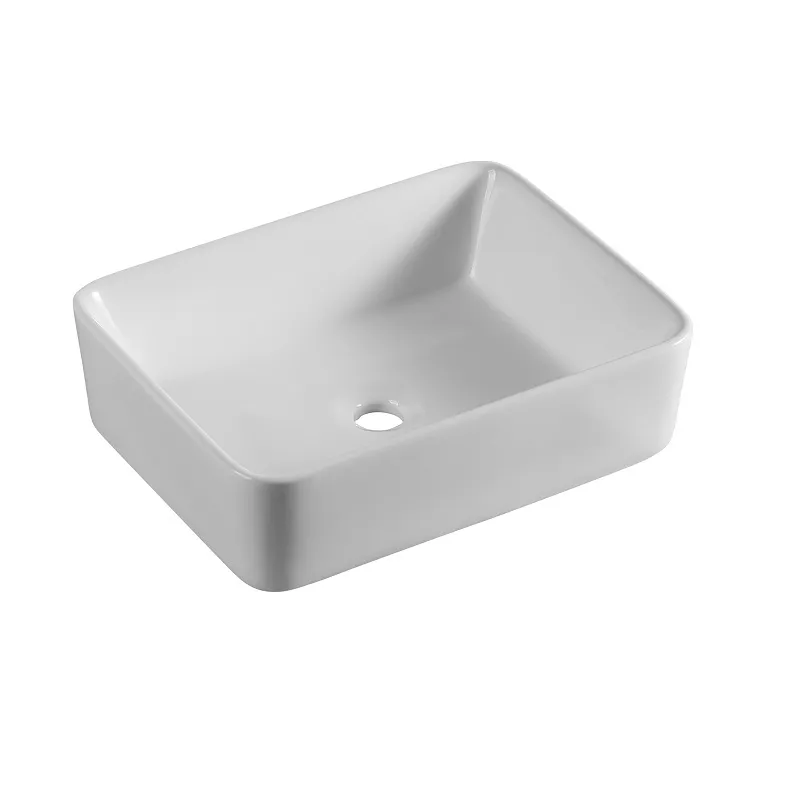
A shallow vanity can help free up floor space in a small bathroom, but it can also make choosing a basin more difficult. A standard inset basin may not leave enough room for a comfortable bowl, while a large countertop basin can take up too much space above the benchtop.
For homeowners comparing bathroom basins in Perth options, a semi-recessed basin is worth considering. It sits partly within the vanity or benchtop, with the front section extending beyond the cabinet. This arrangement can allow a reasonably sized basin to be used with a shallower vanity.
Before choosing one, it is important to check the basin dimensions, the amount it projects forward, the tap position and the space available inside the cabinet.
What is a semi-recessed bathroom basin?
A semi-recessed basin is fitted partly into the vanity benchtop or cabinet, while the front of the basin extends beyond the vanity's front edge. Unlike a fully inset basin, it does not sit entirely within the benchtop.
This design can be useful where a full-depth vanity would make the bathroom feel cramped. The cabinet can be kept relatively shallow while the basin extends further into the room, providing more room for washing.
It is different from a semi-inset basin, which is commonly described as sitting partly within the benchtop with part of the bowl rising above it. Product names can vary between manufacturers, so check the actual side profile and installation drawing rather than relying on the label alone.
Why consider one for a shallow vanity?
The main benefit is the way the basin and cabinet use space together. A shallow cabinet may leave more clear floor area in front of the vanity, while the basin's forward projection provides room for the bowl.
This can be useful in an ensuite, powder room or compact main bathroom where a deeper vanity would interfere with movement around the room. It may also help if the available wall space is limited but a very small basin would be inconvenient for everyday use.
There are trade-offs, though. The basin extends further into the room, so it is important to check how much space remains in front of it. A design that fits the cabinet may still feel awkward if it projects too far into a narrow walkway.
What to check before choosing a semi-recessed basin
1. Measure the vanity depth and basin projection
Start by measuring the available depth from the finished wall to the front edge of the vanity. Then compare this measurement with the basin's overall depth and its required position within the benchtop.
Do not assume that a basin will fit just because its width is suitable. The amount that extends beyond the cabinet is just as important. Check the manufacturer's dimension drawing to see where the basin sits in relation to the benchtop and cabinet front.
Also consider the room layout. Check nearby doors, drawers, shower screens and toilet clearances to make sure the projecting edge will not get in the way.
2. Check the cut-out and cabinet support
A semi-recessed basin usually needs an opening cut into the benchtop. The position and size of that opening depend on the particular basin, so the manufacturer's template or installation instructions should be used.
The cabinet and benchtop must also support the basin properly. Check the required benchtop thickness, fixing method and clearance below the basin. Some designs use securing clips, while others have different installation requirements.
Avoid cutting the benchtop using only the basin's outside measurements. The external dimensions do not necessarily show the size or position of the cut-out.
3. Plan the tapware position
Tapware needs to suit both the basin and the way it is installed. Some basins have a tap hole or a flat tap landing, while others need a wall-mounted or benchtop mixer.
Check the tap hole details before choosing a mixer. If the tap is mounted separately, confirm that the spout can reach far enough into the bowl and that water will not splash over the rim during normal use.
The height of the mixer also matters. A tap that is too low may leave little room for washing hands, while one with an unsuitable spout reach can direct water too close to the edge. Confirm the basin and tapware measurements together rather than selecting them separately.
4. Allow for the waste and plumbing
The basin needs enough space below the benchtop for its waste outlet, trap and connecting pipework. This is particularly important with a shallow vanity, where the bowl and plumbing can take up much of the available cabinet space.
Look at the location of the existing waste and water connections if you are replacing an older basin. Their positions may affect the basin style you can use without changing the plumbing.
Ask a licensed plumber to check the connection requirements before ordering. The basin's technical drawing should provide the relevant outlet and installation details.
5. Think about cleaning and everyday use
The front of a semi-recessed basin is more exposed than the front of a fully inset basin. Consider how the projecting edge will sit in the room and whether it will be comfortable to use.
Check the shape and depth of the bowl as well. A basin that looks generous from above may have a shallow bowl or a shape that does not suit the way you use it. Look at the internal dimensions, not just the overall width and depth.
The join between the basin and benchtop also needs to be sealed as specified by the manufacturer. Follow the product's cleaning and care instructions to avoid damaging the surface or sealant.
Common mistakes to avoid
A few checks can prevent problems during installation:
- Measuring only the cabinet: The basin's forward projection affects the space in front of the vanity.
- Using the wrong cut-out size: Always use the template supplied for the selected basin.
- Choosing tapware too early: Confirm the tap hole, spout reach and mixer height against the basin.
- Ignoring internal cabinet space: Check that the waste and trap will fit without interfering with drawers or shelves.
- Assuming all semi-recessed designs are the same: Dimensions, fixing methods and clearances vary between models.
- Ordering before checking the plumbing: Existing water and waste positions may affect the installation.
Is a semi-recessed basin right for your bathroom?
This style may suit a bathroom where a standard-depth vanity would take up too much room, but a very small basin would not be practical. It can also be worth comparing if you want a larger bowl without using a deep cabinet.
It may not be the best choice if the basin would project into a tight walkway or obstruct a nearby door. In that situation, compare a compact inset basin, an undermount design or a wall-mounted basin as well.
For Perth homeowners planning a bathroom update, it helps to compare the basin, vanity and tapware as one setup. Measure the room first, then check the product drawings and plumbing positions before making a final decision.
Where to compare bathroom basins in Perth
When comparing bathroom basins in Perth, look beyond the shape and finish. Check the installation style, overall dimensions, tap hole arrangement and waste position. These details help establish whether a basin will work with the vanity you have chosen.
V Bathroom's bathroom basin range includes categories such as above-counter, inset, undermount and wall-mounted basins. Its website also provides product information to help shoppers compare different basin options. Check the individual product details for dimensions and installation requirements before making a selection.
Frequently asked questions
Do semi-recessed basins suit small bathrooms?
They can suit small bathrooms because the vanity cabinet can be shallower than the basin itself. The basin extends forward, giving more room for the bowl without requiring the full cabinet to be as deep. Measure the projection carefully, though, because it still needs to leave enough clear space in front.
How much should a semi-recessed basin overhang the vanity?
There is no single overhang measurement that suits every basin. The required projection depends on the model and its installation design. Check the manufacturer's technical drawing for the position of the basin relative to the benchtop and cabinet front.
Can I install a semi-recessed basin on an existing vanity?
Possibly, but the existing benchtop, cabinet depth, cut-out and plumbing positions must suit the new basin. A different basin may need a new cut-out or changes to the benchtop. Have the dimensions and installation requirements checked before ordering.
Do semi-recessed basins need special tapware?
Not necessarily, but the tapware must match the basin's tap hole arrangement and dimensions. Some models have a tap hole, while others need a wall-mounted or benchtop mixer. Check the spout reach and height to make sure water flows into the bowl properly.
Should a plumber install a semi-recessed basin?
A licensed plumber should handle the plumbing connections and confirm that the waste and water connections are suitable. The benchtop cut-out and basin fixing must also follow the manufacturer's instructions. Organising these checks before installation can help avoid changes once the vanity is in place.
Conclusion
A semi-recessed basin can be a practical option when a bathroom needs a shallower vanity without giving up too much basin space. The key is to check the full dimensions, front projection, tapware position, cabinet support and plumbing before ordering. Comparing the basin and vanity together will help you choose a setup that fits the room and works comfortably every day.




Sign in to leave a comment.