
A Semi Submarine Ride provides an opportunity to view marine environments from a partially submerged passenger vessel. Unlike scuba diving, passengers generally remain inside the vessel while looking through underwater viewing panels or windows. This makes the activity an accessible option for travelers who want to observe coral formations, fish, and other underwater features without entering the sea.

One of the first practical questions travelers have is about the cost. There is no single fixed price for a semi-submarine experience because operators use different vessels, routes, schedules, durations, and ticket structures. Some prices may cover only the basic ride, while others may include transportation, entry charges, or other services.
Understanding these differences can help travelers interpret prices correctly and avoid unexpected expenses.
What Is a Semi Submarine Ride?
A semi-submarine is a passenger vessel designed with an underwater viewing section while the main part of the vessel remains above the water. Passengers can sit in designated areas and observe the underwater surroundings through specially designed viewing windows.
The experience generally does not involve passengers entering the water. Instead, the vessel travels to a location where underwater visibility is suitable, allowing passengers to observe marine life and reef environments from inside.
This makes the activity different from snorkeling and scuba diving. Snorkeling requires entering the water and observing the surface or shallow underwater environment, while scuba diving involves specialized equipment and underwater breathing systems. A semi-submarine experience allows passengers to remain inside the vessel throughout the viewing period.
For families, older travelers, and people who do not want to participate in water-entry activities, this type of excursion can provide another way to experience marine surroundings.
How Much Does a Semi Submarine Ride Usually Cost?
The price of a Semi Submarine Ride varies considerably depending on where the activity is offered and what the ticket includes. There is no universal rate that applies to every destination or operator.
In tourist destinations such as the Andaman Islands, pricing may vary according to factors such as:
- Type of semi-submarine vessel
- Ride duration
- Departure location
- Underwater viewing area
- Transportation arrangements
- Seasonal demand
- Operating company
- Taxes and applicable fees
- Entry or access charges
- Weather and sea conditions
A basic ticket may cover the vessel journey and underwater viewing experience, while a more comprehensive package may include transfers or other components.
Travelers should therefore avoid comparing prices based only on the headline amount. Two activities with different prices may offer different durations, routes, transportation arrangements, or inclusions.
The most useful approach is to identify exactly what each quoted price covers before making a reservation.
What Is Generally Included in the Ticket Price?
The inclusions depend on the operator, but a standard ticket commonly covers the core activity.
1. Boat or Vessel Ride
The primary inclusion is transportation on the semi-submarine vessel from the boarding point toward the designated viewing area and back.
The vessel itself forms the central part of the experience, with passengers using the underwater viewing section during the appropriate part of the journey.
2. Underwater Viewing
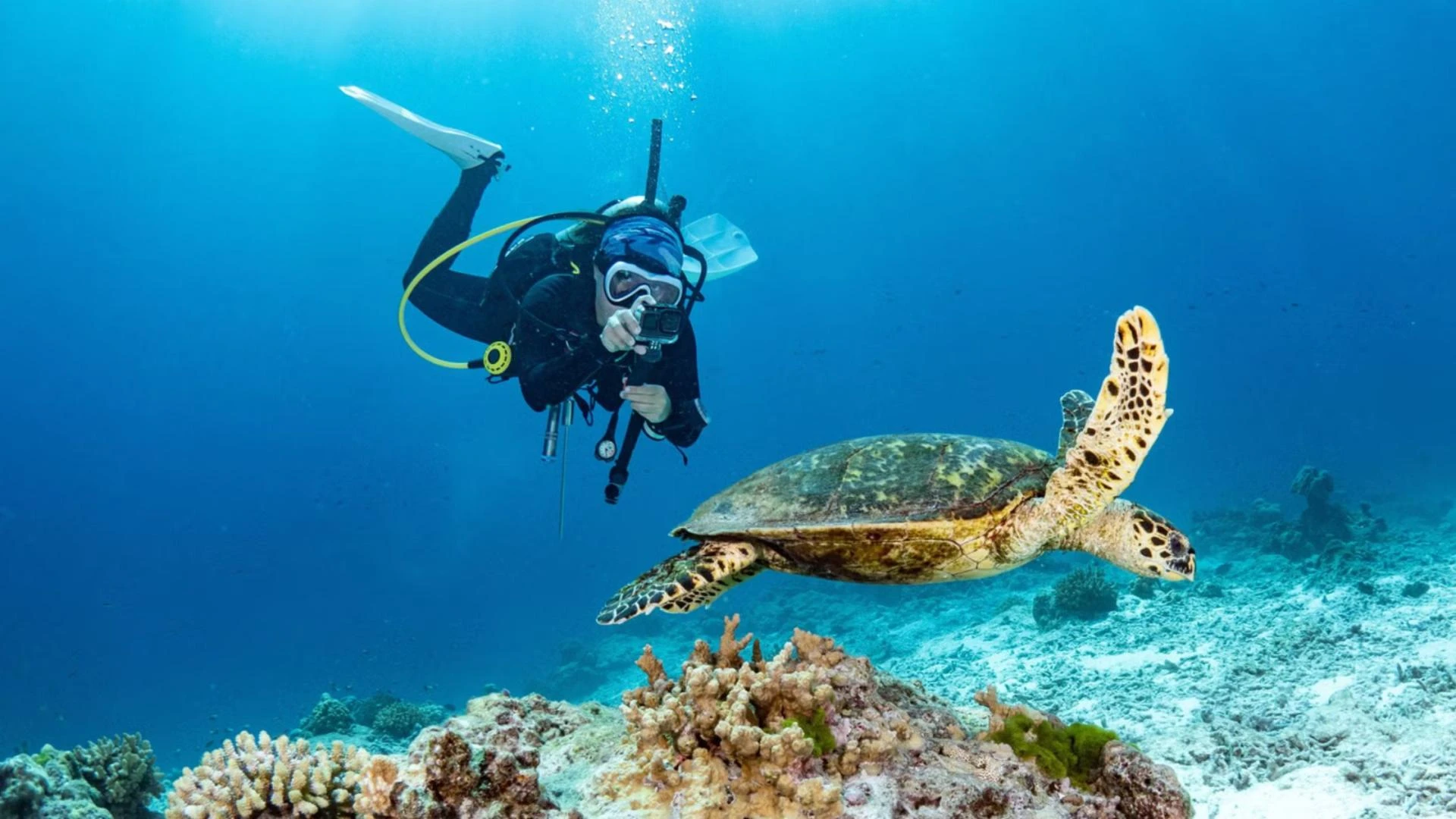
The main attraction is generally the opportunity to observe underwater scenery through viewing windows.
Depending on location and conditions, passengers may see:
- Coral formations
- Reef structures
- Tropical fish
- Other marine organisms
- Underwater rock formations
- Different shades of marine vegetation
Visibility can vary significantly. Even when underwater viewing is included in the ticket, the amount of marine life visible cannot always be guaranteed.
3. Seating in the Viewing Area
The ticket usually provides access to designated passenger seating or viewing areas. Seating arrangements differ between vessels, so travelers should not assume that every passenger will have exactly the same view.
Some vessels may have multiple viewing sections, while others may have a more centralized underwater viewing area.
4. Crew Assistance
Basic assistance from the operating crew is normally part of the experience. Crew members may provide boarding instructions, safety information, and directions about where passengers should sit or move.
5. Scheduled Return Journey
A standard ticket generally covers the planned return portion of the excursion, although the exact route and schedule depend on the operator and operating conditions.
What May Not Be Included?
One of the most important aspects of understanding Semi Submarine Ride pricing is identifying exclusions.
A quoted ticket price may not automatically cover:
- Hotel pickup and drop-off
- Local transportation
- Food and beverages
- Personal photography
- Video services
- Entry fees
- Government or local charges
- Parking expenses
- Optional activities
- Personal purchases
- Travel insurance
For example, an operator may advertise a relatively low activity price but charge separately for transportation from a hotel. Another operator might offer a higher package price that already includes transfers.
This is why travelers should examine the inclusion list rather than judging an activity exclusively by its advertised price.
Factors That Affect the Cost
Several factors can influence how much travelers pay.
Vessel Type
Different vessels have different capacities, designs, viewing arrangements, and operating costs. A larger or specially designed vessel may have a different ticket structure from a smaller vessel.
Ride Duration
Longer excursions generally require more operating time and fuel. A short underwater viewing trip and a longer excursion may therefore have different prices.
However, duration alone should not be used to determine value. The route, viewing location, and inclusions also matter.
Departure Point
The location from which the vessel departs can affect the total cost. If transportation to the boarding point is included, the package price may be higher than a ticket where passengers arrange their own transportation.
Operating Costs
Fuel, maintenance, crew requirements, docking arrangements, safety equipment, and vessel upkeep can contribute to the operating cost.
Demand
Prices may vary during periods of high tourist demand. Busy travel seasons can influence availability and pricing, although the exact pricing policy differs between operators.
Weather and Sea Conditions
Weather does not necessarily change the published ticket price, but it can affect whether an excursion operates as scheduled.
Strong winds, rough seas, poor visibility, or unfavorable marine conditions may lead to delays, changes in timing, or cancellation.
Does Ride Duration Affect the Price?
Yes, ride duration can be one factor affecting the overall cost.
A semi-submarine excursion may include several components:
- Boarding and departure
- Travel toward the viewing area
- Underwater observation
- Return journey
- Disembarkation
The total advertised duration may refer to the complete excursion rather than the amount of time spent directly viewing underwater scenery.
This distinction is important when comparing different options.
For example, a tour advertised as lasting one hour may include travel time and boarding procedures. The actual underwater viewing period may be shorter.
Travelers should therefore check whether the stated duration refers to the total trip or specifically to underwater observation.
How Location Can Influence Pricing
Location is another major factor in determining cost.
A semi-submarine excursion in a highly visited marine tourism destination may have different operating expenses from a similar activity elsewhere. Distance to reefs, docking facilities, fuel requirements, vessel availability, and local regulations can all influence prices.
In island destinations, transportation logistics can also play an important role.
For travelers considering the Andaman Islands, it is particularly useful to distinguish between the cost of the activity and the overall cost of reaching the departure point. A ticket may cover the vessel ride but not transportation from accommodation.
The phrase Semi Submarine Ride therefore describes the activity itself, rather than a standardized package with identical inclusions everywhere.
Seasonal and Weather-Related Price Differences
Travel seasons can influence the availability and pricing of marine activities.
During popular travel periods, demand for sightseeing and water-based experiences may increase. This can affect availability and sometimes pricing.
Weather conditions are equally important. A semi-submarine excursion depends on marine conditions that allow the vessel to operate safely and provide reasonable underwater visibility.
Poor visibility can result from:
- Strong waves
- Rain
- Sediment in the water
- Wind
- Changes in sea conditions
- Natural variations in underwater visibility
Even if the activity operates, visibility may not be identical every day.
This means travelers should consider both price and operating conditions when planning the excursion.
Additional Costs Travelers Should Consider
The advertised ticket price is not necessarily the complete budget.
Transportation
If transfers are not included, travelers may need to pay for taxis, autos, buses, or other local transportation.
Food and Drinks
Unless specifically stated, refreshments may not be part of the activity price.
Photography
Some operators may offer photography or video services for an additional charge. Travelers should check whether personal cameras or phones are permitted in the viewing area.
Entry or Access Charges
Certain destinations may have separate access fees or entry charges. These should be confirmed before travel.
Personal Expenses
Travelers may also spend money on snacks, souvenirs, parking, or other incidental expenses.
Keeping a small allowance for such expenses can make budgeting easier.
What to Check Before Booking
Before paying for a Semi Submarine Ride, travelers should review several details.
Check the Total Price
Confirm whether the quoted amount is the final payable price or whether taxes and additional fees are added later.
Check the Duration
Find out how long the complete excursion lasts and how much time is actually allocated to underwater viewing.
Check Transportation
Ask whether hotel transfers are included or whether passengers must reach the departure point independently.
Check Departure Location
Knowing the exact boarding point helps travelers estimate travel time and additional transportation costs.
Check Cancellation Rules
Marine activities can be affected by weather and sea conditions. Understand the operator's cancellation, postponement, and refund policies before making payment.
Check Age or Accessibility Requirements
Families traveling with young children, older adults, or passengers with mobility limitations should ask about boarding arrangements and seating access in advance.
Check Personal Belongings Rules
Some vessels may have specific instructions regarding luggage, bags, cameras, and other personal items.
How to Compare Different Semi Submarine Options
Price comparison becomes more useful when the services are compared on the same basis.
A simple comparison can include:
| Factor | What to Check |
| Ticket Price | Total payable amount |
| Duration | Total excursion time |
| Viewing Time | Approximate underwater observation period |
| Transportation | Included or separate |
| Boarding Point | Exact departure location |
| Vessel | Type and passenger capacity |
| Inclusions | What the ticket covers |
| Exclusions | Additional expenses |
| Cancellation | Weather and refund policy |
| Safety | Crew instructions and required procedures |
This approach prevents travelers from selecting an option based solely on the lowest advertised price.
For example, one package might appear cheaper but require separate transportation, while another might cost more but include transfers. Looking at the complete cost provides a more accurate comparison.
Tips for Planning a Reasonable Budget
Planning a budget for the activity does not require knowing every possible expense in advance. A few basic checks can help.
First, establish the ticket price per person. Then determine whether transportation is included. After that, check for taxes, entry charges, optional photography, and other additional costs.
It is also useful to consider the number of people traveling together. For families or groups, transportation and activity expenses can add up quickly.
Travelers should also avoid assuming that a higher price guarantees better underwater visibility. Marine conditions are naturally variable, and visibility can change even during the same season.
A sensible budget should therefore include the activity cost plus a small allowance for local transportation and incidental expenses.
Safety and Operational Considerations
Cost should not be the only consideration when planning a marine excursion.
Passengers should follow all instructions provided by the vessel crew. This includes remaining seated when required, using designated pathways, following boarding procedures, and keeping personal belongings secure.
Weather and sea conditions can also affect operations. If an operator changes the schedule because conditions are unsuitable, travelers should follow the revised instructions rather than treating the change simply as an inconvenience.
Families should pay particular attention to children during boarding and disembarking. Passengers with mobility concerns should confirm accessibility arrangements before booking.
It is also important to understand that underwater visibility is a natural condition and cannot be guaranteed. A ticket provides access to the scheduled experience, but it does not guarantee sightings of particular fish, coral formations, or other marine life.
Making Sense of the Overall Cost
The cost of a semi-submarine experience is best understood as a combination of the basic activity and any additional services required to participate.
A useful calculation is:
Total Activity Budget = Ticket Price + Transportation + Additional Fees + Optional Expenses
For example, if a ticket does not include transportation, the traveler should add the estimated cost of reaching the departure point and returning afterward.
Similarly, if photography or other optional services are available, these can be treated separately rather than assumed to be part of the base ticket.
This approach makes it easier to compare different offers and understand the actual amount likely to be spent.
Conclusion
A Semi Submarine Ride can provide an accessible way to observe underwater environments without participating in scuba diving or snorkeling. However, the cost varies according to factors such as vessel type, duration, location, operating expenses, transportation, season, and ticket inclusions. The advertised price should therefore be treated as a starting point rather than the complete cost of the experience.
Before booking, travelers should check the total price, duration, departure location, transportation arrangements, inclusions, exclusions, cancellation conditions, and weather-related policies. Comparing these details gives a clearer picture of what the ticket actually provides.
A well-planned Semi Submarine Ride budget should account for both the activity itself and related expenses such as transportation and optional services. By checking these details in advance, travelers can plan their marine sightseeing experience with realistic expectations and avoid unnecessary surprises.



















Sign in to leave a comment.