
Common SEO Mistakes to Avoid in 2024
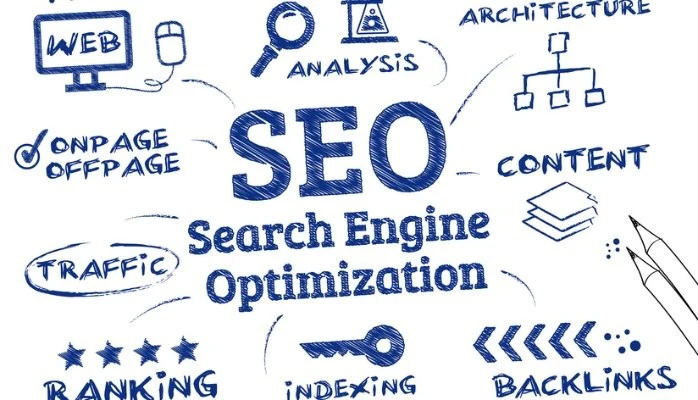
Search Engine Optimization (SEO) continues to be a critical element in driving organic traffic and enhancing the visibility of websites in search engine results pages (SERPs). As we move further into 2024, the landscape of SEO evolves with new trends, algorithms, and best practices emerging. However, certain SEO mistakes can significantly hinder your website\'s performance. In this comprehensive guide, we will explore the most common SEO mistakes to avoid in 2024, helping you refine your strategies and improve your online presence.
Ignoring Mobile Optimization
Why It Matters:
Mobile optimization is crucial because a significant portion of web traffic comes from mobile devices. Google has adopted mobile-first indexing, meaning it primarily uses the mobile version of a site for ranking and indexing.
Common Mistakes:
- Not having a responsive design: Websites that do not adapt to different screen sizes provide a poor user experience. This can lead to higher bounce rates and lower engagement.
- Slow mobile page load speeds: Mobile users expect fast-loading pages. Delays can lead to higher bounce rates and reduced user satisfaction.
- Ignoring mobile-specific SEO: Elements like local search optimization and click-to-call buttons are often neglected, which can affect user engagement and local SEO performance.
How to Avoid:
- Implement responsive web design to ensure your site looks and functions well on all devices.
- Use tools like Google’s Mobile-Friendly Test to check your site’s performance.
- Optimize images, enable Accelerated Mobile Pages (AMP), and use caching solutions to enhance load times.
- Focus on mobile-specific SEO techniques such as optimizing for local search and using structured data to improve visibility in mobile search results.
Overlooking Quality Content
Why It Matters:
Content is the backbone of SEO. High-quality, relevant content engages users and improves your site’s ranking in SERPs.
Common Mistakes:
- Keyword stuffing: Overloading content with keywords can lead to penalties and reduced readability. This outdated practice can harm user experience and search engine rankings.
- Thin content: Pages with little to no substantive content provide little value to users and search engines. This can result in poor rankings and low user engagement.
- Duplicate content: Copying content from other sites or within your own site can confuse search engines and dilute your rankings. Duplicate content can also negatively impact user experience.
How to Avoid:
- Focus on creating valuable, informative, and engaging content that addresses the needs and interests of your audience.
- Use keywords naturally and contextually within your content. Aim for a balanced keyword density that enhances readability.
- Regularly update your content to keep it fresh and relevant. This includes updating old posts with new information and removing outdated content.
- Utilize content auditing tools to identify and fix issues related to thin or duplicate content.
Neglecting Technical SEO
Why It Matters:
Technical SEO ensures that search engines can crawl and index your site effectively, which is essential for ranking.
Common Mistakes:
- Broken links: These can harm user experience and SEO performance. Broken links can lead to higher bounce rates and lower user trust.
- Poor URL structure: Unorganized URLs can make it difficult for search engines to understand your site’s hierarchy. This can affect crawl efficiency and indexing.
- Missing or incorrect use of canonical tags: This can lead to duplicate content issues and dilute your site’s authority.
How to Avoid:
- Regularly audit your site for broken links and fix them promptly. Use tools like Screaming Frog or Ahrefs to identify broken links.
- Use a clear and consistent URL structure that reflects your site’s organization. Ensure that URLs are user-friendly and include relevant keywords.
- Implement canonical tags correctly to indicate the preferred version of a page. This helps avoid duplicate content issues and ensures search engines understand your content structure.
- Optimize your site’s XML sitemap and robots.txt file to improve crawlability and indexing.
Failing to Optimize for User Experience (UX)
Why It Matters:
A positive user experience can lead to longer site visits, lower bounce rates, and higher conversions, all of which impact SEO.
Common Mistakes:
- Slow page load times: Users are likely to leave a site if it takes too long to load. This can result in higher bounce rates and lower user engagement.
- Poor navigation: Complicated or confusing site navigation can frustrate users and lead to higher bounce rates.
- Intrusive pop-ups: These can disrupt the user experience and lead to higher bounce rates. Pop-ups that are difficult to close can negatively impact user engagement.
How to Avoid:
- Use tools like Google PageSpeed Insights to monitor and improve your site’s speed. Optimize images, use browser caching, and minimize JavaScript to enhance load times.
- Ensure your site’s navigation is intuitive and easy to use. Implement a clear site structure and use breadcrumb navigation to help users find their way.
- Limit the use of pop-ups and ensure they are user-friendly and easily dismissible. Use exit-intent pop-ups and time-delay pop-ups to minimize disruption.
Ignoring Local SEO
Why It Matters:
Local SEO is vital for businesses that rely on local customers. It helps improve visibility in local search results and drives more targeted traffic.
Common Mistakes:
- Inconsistent NAP (Name, Address, Phone Number): Inconsistencies can confuse search engines and potential customers, leading to poor local SEO performance.
- Not claiming your Google My Business (GMB) listing: This can result in missed opportunities for local visibility. A well-optimized GMB listing can significantly enhance local SEO.
- Ignoring local reviews: Reviews can influence local search rankings and customer trust. Neglecting reviews can result in lower visibility and engagement.
How to Avoid:
- Ensure your NAP information is consistent across all platforms and directories. Use tools like Moz Local or Yext to manage and monitor your local listings.
- Claim and optimize your GMB listing with accurate and up-to-date information. Include relevant keywords, business hours, and high-quality images.
- Encourage satisfied customers to leave positive reviews and respond to them appropriately. Address negative reviews professionally to demonstrate your commitment to customer satisfaction.
- Use local keywords in your content and meta tags to improve local search visibility.
Poor Keyword Strategy
Why It Matters:
Keywords are still fundamental to SEO. A well-researched keyword strategy can drive targeted traffic to your site.
Common Mistakes:
- Targeting broad keywords: These can be highly competitive and difficult to rank for. Focusing solely on broad keywords can result in lower visibility and higher bounce rates.
- Ignoring long-tail keywords: These are often less competitive and more specific, leading to higher conversion rates. Neglecting long-tail keywords can limit your reach and engagement.
- Not updating keyword strategies: SEO is dynamic, and keyword trends can change over time. Sticking to outdated keyword strategies can result in lower rankings and visibility.
How to Avoid:
- Conduct thorough keyword research using tools like Google Keyword Planner, Ahrefs, or SEMrush. Identify a mix of short-tail and long-tail keywords relevant to your niche.
- Focus on a mix of short-tail and long-tail keywords. Long-tail keywords often have higher conversion rates and lower competition.
- Regularly review and update your keyword strategy based on performance and trends. Use analytics tools to monitor keyword performance and adjust your strategy accordingly.
- Implement keyword variations and synonyms to capture a broader range of search queries.
Neglecting Analytics and Performance Tracking
Why It Matters:
Monitoring your SEO performance is essential to understanding what’s working and what needs improvement.
Common Mistakes:
- Not using analytics tools: Without tools like Google Analytics, you can miss critical insights into your site’s performance. This can result in missed opportunities for optimization.
- Ignoring important metrics: Focusing only on traffic numbers and ignoring other metrics like bounce rate and conversion rate can lead to incomplete insights.
- Failing to set goals: Without clear goals, it’s challenging to measure success. Setting specific, measurable goals is essential for effective SEO tracking.
How to Avoid:
- Set up Google Analytics and Google Search Console to track your site’s performance. Use these tools to monitor traffic, user behaviour, and search performance.
- Pay attention to various metrics, including user behaviour, bounce rates, and conversion rates. Use these insights to identify areas for improvement.
- Establish clear, measurable SEO goals and regularly assess your progress. Use tools like Google Data Studio to create custom reports and track key performance indicators (KPIs).
Not Leveraging Social Media
Why It Matters:
Social media can amplify your content, drive traffic, and improve your SEO indirectly through increased visibility and engagement.
Common Mistakes:
- Inconsistent posting: Infrequent updates can lead to decreased engagement and lower visibility. Consistent posting is crucial for maintaining an active and engaged audience.
- Ignoring engagement: Not responding to comments and messages can hurt your brand’s reputation and reduce user trust.
- Not optimizing profiles: Unoptimized profiles can miss out on potential search traffic. Optimized profiles enhance visibility and engagement.
How to Avoid:
- Develop a consistent posting schedule and stick to it. Use social media management tools like Hootsuite or Buffer to plan and schedule posts.
- Engage with your audience by responding to comments and messages promptly. This helps build relationships and enhances user trust.
- Optimize your social media profiles with relevant keywords and links to your website. Include complete and accurate information to improve visibility in social searches.
- Use social media analytics tools to monitor performance and adjust your strategy based on engagement metrics.
Overlooking Image Optimization (Continued)
Why It Matters:
Images can enhance user experience and improve SEO if optimized correctly. Optimized images contribute to faster load times and better accessibility, which are crucial for both user experience and search engine rankings.
Common Mistakes:
- Large image files: These can slow down your site’s loading speed. Slow load times negatively impact user experience and can lead to higher bounce rates.
- Not using alt text: Alt text helps search engines understand what an image is about and improves accessibility for users with visual impairments.
- Unoptimized image filenames: Generic filenames miss out on keyword optimization opportunities and do not contribute to SEO.
How to Avoid:
- Compress images to reduce file size without compromising quality. Use tools like TinyPNG or ImageOptim to optimize images before uploading them to your site.
- Use descriptive, keyword-rich alt text for all images. Ensure that alt text accurately describes the content of the image while incorporating relevant keywords.
- Rename image files to include relevant keywords before uploading them. For example, instead of “IMG1234.jpg,” use “red-women-sneakers.jpg” for better SEO.
- Implement lazy loading for images to improve initial load times. This technique loads images as users scroll down the page, enhancing performance and user experience.
Ignoring Voice Search Optimization
Why It Matters:
With the rise of smart speakers and voice assistants, optimizing for voice search can help capture a growing segment of search traffic. Voice search is becoming increasingly popular, especially for local searches and quick queries.
Common Mistakes:
- Not focusing on conversational keywords: Voice searches are typically more conversational and question-based, reflecting how people speak rather than type.
- Ignoring local search intent: Many voice searches have local intent, especially on mobile devices. Failing to optimize for local search can result in missed opportunities for local traffic.
- Failing to provide concise answers: Voice assistants often read out short, precise answers. Long-winded or unclear content may not perform well in voice search results.
How to Avoid:
- Incorporate natural, conversational phrases into your content. Use question-and-answer formats to target common voice search queries.
- Optimize for local search by including relevant local keywords in your content, meta tags, and GMB listing. Ensure your business information is accurate and consistent across all platforms.
- Provide clear and concise answers to common questions in your content. Use structured data markup to enhance the likelihood of being featured in voice search results.
- Focus on long-tail keywords and phrases that reflect natural speech patterns. Tools like AnswerThePublic can help identify common questions related to your keywords.
Underestimating the Importance of Internal Linking
Why It Matters:
Internal linking helps distribute page authority throughout your site, improves crawlability, and enhances user navigation. It also helps search engines understand the structure and hierarchy of your site.
Common Mistakes:
- Random internal linking: Linking without a strategic plan can confuse users and search engines. Irrelevant or excessive internal links can dilute link equity.
- Too few internal links: Not using enough internal links can hinder the flow of authority and make it difficult for search engines to discover all your content.
- Broken internal links: These can negatively impact user experience and SEO performance. Broken links can lead to higher bounce rates and lower user trust.
How to Avoid:
- Create a strategic internal linking plan that prioritizes important pages and distributes link equity effectively. Use keyword-rich anchor text for internal links.
- Regularly audit your site for broken internal links and fix them promptly. Use tools like Screaming Frog or Ahrefs to identify and resolve issues.
- Ensure that every page has several internal links pointing to and from it. This helps search engines discover and index your content more efficiently.
- Use contextual linking to enhance user experience and provide additional value. Link related content to guide users through your site logically.
Ignoring Schema Markup
Why It Matters:
Schema markup helps search engines understand your content better and can improve how your pages are displayed in SERPs. Rich snippets, enhanced results, and better click-through rates (CTRs) are some of the benefits.
Common Mistakes:
- Not using schema markup: Missing out on schema markup can mean losing opportunities for enhanced search results and better visibility.
- Using incorrect schema: Incorrect implementation can lead to errors and misinterpretation by search engines.
- Neglecting to update schema: As your content evolves, outdated schema markup can provide inaccurate information to search engines.
How to Avoid:
- Implement schema markup for different types of content, such as articles, events, products, and reviews. Use Google’s Structured Data Markup Helper or tools like Schema.org for guidance.
- Regularly test your schema markup using Google’s Rich Results Test to ensure it is correctly implemented and error-free.
- Keep your schema markup updated to reflect the latest information and changes in your content. This ensures search engines always have accurate data about your site.
- Monitor performance metrics to see how schema markup impacts your search visibility and CTRs, and make adjustments as needed.
Not Prioritizing Secure Websites (HTTPS)
Why It Matters:
Security is a priority for both users and search engines. Google considers HTTPS a ranking signal, and users are more likely to trust and engage with secure websites.
Common Mistakes:
- Not migrating to HTTPS: Sites that remain on HTTP are viewed as less secure, which can hurt SEO and user trust.
- Incorrect implementation of HTTPS: Errors during migration can lead to mixed content issues and broken links.
- Failing to renew SSL certificates: Expired SSL certificates can cause security warnings and negatively impact user experience.
How to Avoid:
- Migrate your site to HTTPS by obtaining an SSL certificate and updating all internal links to use HTTPS. Follow Google’s guidelines for a smooth transition.
- Regularly check for mixed content issues and resolve them promptly. Use tools like Why No Padlock to identify and fix issues.
- Ensure your SSL certificate is always up-to-date to maintain a secure connection. Set reminders for renewal dates and automate renewals if possible.
- Monitor your site’s security with tools like Google Search Console and other security scanners to quickly identify and address potential vulnerabilities.
Overlooking the Importance of Content Freshness
Why It Matters:
Regularly updating your content signals to search engines that your site is active and current. Fresh content can improve rankings and user engagement.
Common Mistakes:
- Not updating old content: Outdated content can provide inaccurate information and hurt your credibility. It can also lead to lower rankings over time.
- Neglecting content audits: Without regular audits, it’s challenging to identify outdated or underperforming content.
- Ignoring user feedback: User comments and feedback can provide valuable insights for updating and improving content.
How to Avoid:
- Regularly update your old content with new information, statistics, and insights. This keeps your content relevant and useful for users.
- Conduct periodic content audits to identify and update underperforming or outdated content. Use tools like SEMrush or Ahrefs to analyze content performance.
- Incorporate user feedback and questions into your content updates. This can enhance relevance and engagement.
- Promote updated content through social media and email newsletters to drive traffic and engagement.
- Over-Reliance on Automated SEO Tools
Why It Matters:
While automated SEO tools can provide valuable insights and streamline tasks, over-reliance on them can lead to neglecting the human element of SEO. Personalized strategies and adjustments are crucial for long-term success.
Common Mistakes:
- Blindly following tool recommendations: Tools can provide generic advice that may not be suitable for your specific site or niche.
- Neglecting manual reviews and adjustments: Automated tools cannot replace the nuanced understanding and strategic planning that come from manual reviews.
- Ignoring the user experience: Tools often focus on technical aspects and may overlook the user experience and content quality.
How to Avoid:
- Use SEO tools as a complement to, not a replacement for, your SEO strategy. Combine automated insights with manual reviews and strategic planning.
- Regularly perform manual audits to understand the context and relevance of the recommendations provided by tools.
- Focus on creating a balanced SEO strategy that considers both technical and user experience aspects. Ensure your content is engaging, valuable, and user-friendly.
- Stay updated with SEO best practices and industry trends to inform your manual reviews and adjustments.
Conclusion
Avoiding these common SEO mistakes can significantly enhance your website’s performance in 2024. By staying updated with the latest SEO trends and best practices, you can ensure your website remains competitive in the ever-changing digital landscape. Focus on mobile optimisation, high-quality content, technical SEO, user experience, local SEO, keyword strategy, analytics, social media, image optimisation, voice search, internal linking, schema markup, security, content freshness, and a balanced use of tools to drive and improve your search engine rankings.
Remember, SEO is a continuous process that requires regular monitoring and adjustments. Stay proactive and keep refining your strategies to achieve long-term success. By avoiding these mistakes and implementing best practices, you can enhance your online presence and achieve your business goals in 2024 and beyond.










Sign in to leave a comment.