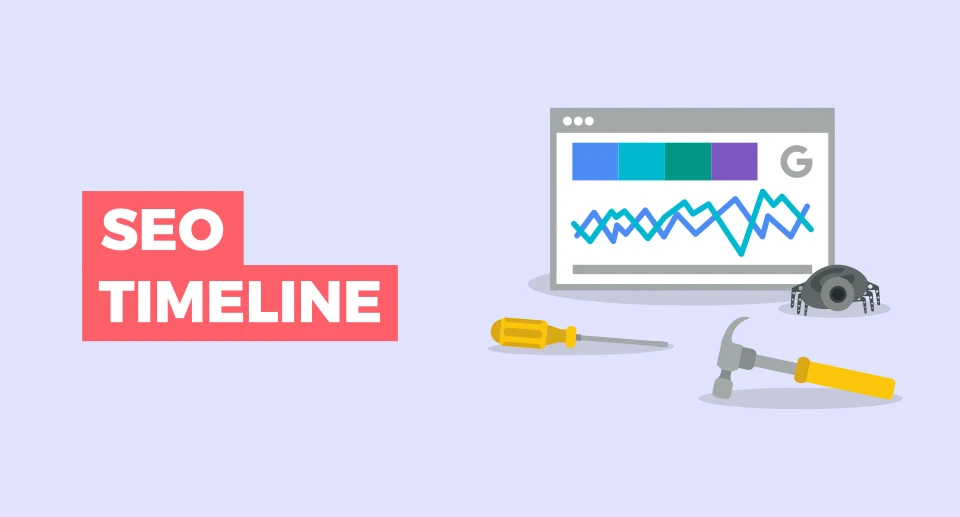

In the ever-evolving world of digital marketing, businesses often wonder how long it takes for SEO efforts to yield tangible results. At TrendWaltz, a premier digital marketing and SEO company in the USA, we understand the complexities and nuances involved in SEO timelines. This comprehensive guide explores the factors that influence SEO timelines and what businesses can expect when investing in SEO.
Understanding SEO Timelines
SEO, or Search Engine Optimization, is a long-term strategy aimed at improving a website’s visibility on search engines like Google. Unlike paid advertising, which can deliver immediate results, SEO requires time and consistent effort to build authority and trust. So, how long does it typically take for SEO to work? The answer varies depending on several factors.
Factors Influencing SEO Timelines
1. Website History and Domain Age
- Established Websites: Older, well-established websites with a strong backlink profile may see quicker improvements than new sites.
- New Websites: New domains often take longer to gain traction, as they need to build authority and trust from scratch.
2. Competition Level
- High Competition: Industries with high competition and many established players typically require more time and effort to achieve top rankings.
- Low Competition: Niche markets with less competition may see faster results.
3. Keyword Difficulty
- High-Volume Keywords: Targeting high-volume, competitive keywords takes longer due to the level of competition.
- Long-Tail Keywords: These keywords are often less competitive and can yield quicker results.
4. Content Quality and Relevance
- High-Quality Content: Consistently publishing high-quality, relevant content helps improve rankings more quickly.
- Low-Quality Content: Thin or irrelevant content can hinder SEO progress.
5. On-Page and Technical SEO
- Optimized Website: Websites with strong on-page and technical SEO (e.g., fast loading times, mobile-friendliness, proper use of meta tags) tend to rank faster.
- SEO Issues: Sites with technical issues or poor on-page optimization will take longer to improve.
6. Backlink Profile
- Quality Backlinks: Earning backlinks from reputable, high-authority websites can significantly boost your SEO efforts.
- Spammy Backlinks: Links from low-quality or spammy sites can harm your SEO and delay progress.
Typical SEO Timeline Phases
Month 1: Research and Planning
In the first month, the focus is on understanding your business, industry, and competition. Key activities include:
- Website Audit: Analyzing the current state of your website.
- Keyword Research: Identifying target keywords and phrases.
- Competitor Analysis: Evaluating competitors’ strategies and performance.
- SEO Strategy: Developing a customized SEO plan.
Month 2-3: On-Page Optimization and Content Creation
During this phase, on-page SEO improvements and content development are prioritized:
- On-Page SEO: Optimizing meta tags, headers, URLs, and internal linking.
- Technical SEO: Fixing any technical issues such as broken links, duplicate content, and improving site speed.
- Content Creation: Publishing high-quality, keyword-rich content, including blog posts, articles, and landing pages.
Month 4-6: Building Authority and Backlinks
With the foundation in place, the focus shifts to building authority and earning backlinks:
- Link Building: Reaching out to industry influencers, guest blogging, and securing high-quality backlinks.
- Content Promotion: Sharing content across social media and other platforms to increase visibility and engagement.
- Local SEO: Optimizing for local search if applicable, including managing online reviews and local citations.
Month 6-12: Monitoring, Adjusting, and Refining
As SEO efforts start to take effect, ongoing monitoring and refinement are essential:
- Performance Tracking: Using tools like Google Analytics and Google Search Console to monitor traffic, rankings, and other key metrics.
- Adjustments: Tweaking strategies based on performance data and changing search engine algorithms.
- Content Updates: Regularly updating existing content and adding new content to maintain and improve rankings.
Long-Term SEO: 12 Months and Beyond
SEO is a continuous process. Even after achieving top rankings, maintaining and improving them requires ongoing effort:
- Continuous Content Creation: Regularly publishing fresh, high-quality content to stay relevant.
- Ongoing Link Building: Continuously earning new, high-quality backlinks.
- Staying Updated: Keeping up with the latest SEO trends, algorithm changes, and best practices.
Conclusion
SEO is not a one-time effort but a long-term investment that requires patience and persistence. While some initial improvements can be seen within a few months, significant and lasting results typically take 6 to 12 months or longer. At TrendWaltz, a leading digital marketing company in the USA, we partner with businesses to develop and execute effective SEO strategies that drive sustainable growth. Contact us today to learn how we can help you achieve your SEO goals.




























Sign in to leave a comment.