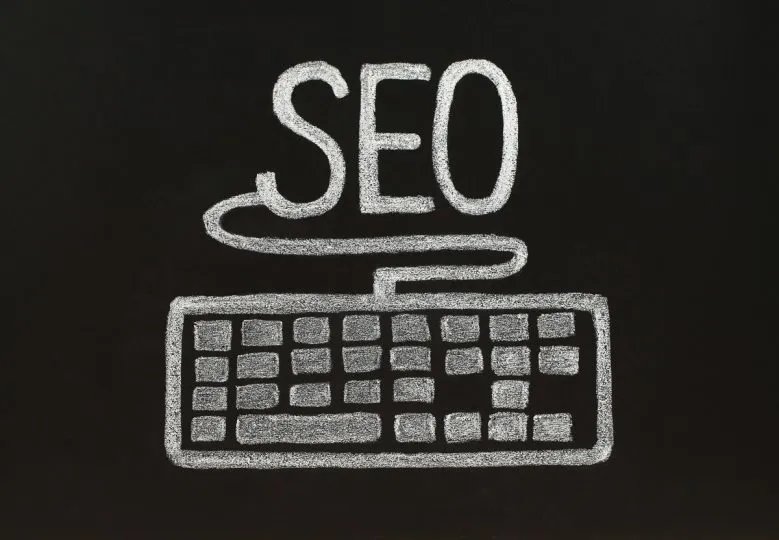

Beyond Keywords: Making Sense of SEO, AEO, and GEO
Have you noticed that the way you find things online has completely changed? Just a few years ago, if you wanted to find the best coffee shop or fix a leaking tap, you would type a couple of clunky keywords into a search bar and scroll through a list of blue links. Today, you are much more likely to ask your phone, "Hey Google, where is the nearest open coffee shop?" or ask ChatGPT, "Summarize the best ways to fix a copper pipe leak."
As a business owner, this shift can feel terrifying. You spent years, and perhaps thousands of dollars, trying to get your website to rank on the first page of Google. Now, people aren't even visiting websites anymore—they are getting direct answers from artificial intelligence. If your audience has stopped searching the traditional way, how does your business stay visible? The secret lies in understanding three critical acronyms: SEO, AEO, and GEO.
1. SEO (Search Engine Optimization): The Solid Foundation
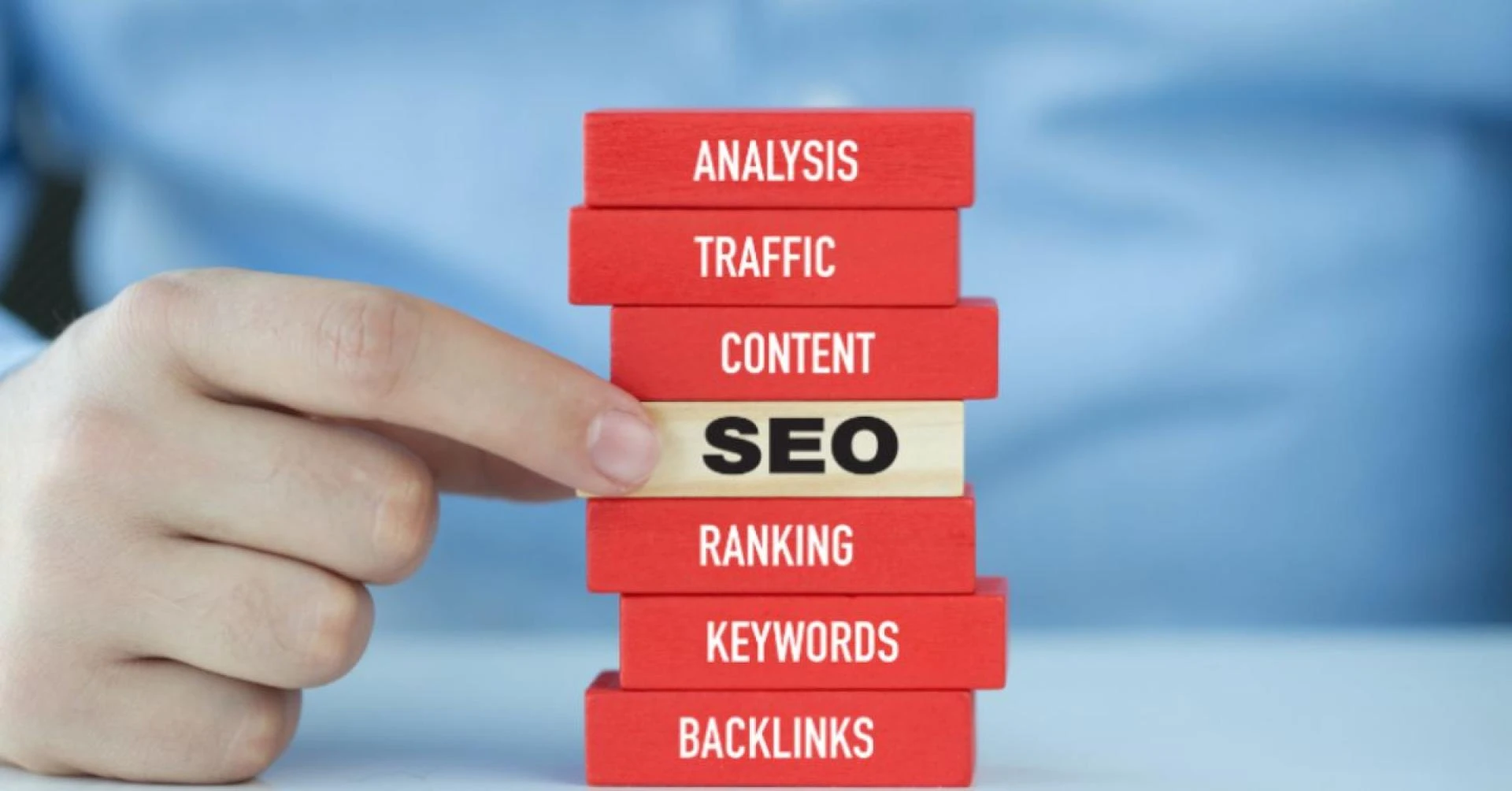
SEO is the grandfather of digital visibility, but it is far from dead. It focuses on optimizing your website so traditional search engines like Google and Bing can crawl, understand, and rank your pages. This involves high-quality content, fast loading speeds, a clean technical structure, and relevant keywords.
Think of SEO as your storefront on the digital highway. Even as technology evolves, you still need a functional, beautifully designed website because it serves as the ultimate source of truth for your business facts, products, and services. AI cannot recommend information that doesn't exist on a well-structured site.
2. AEO (Answer Engine Optimization): Winning the Voice Search
When you ask Siri, Alexa, or Google Assistant a direct question, they don't give you ten pages of links; they give you a single, spoken answer. This is where AEO comes in. Answer Engine Optimization is the practice of structuring your content so that voice assistants can easily pull direct answers from it.
To win at AEO, your content needs to be highly conversational. Instead of targeting the raw keyword "best digital strategy," you structure your content around specific questions, like "What is the best digital strategy for local businesses?" Using comprehensive Frequently Asked Questions (FAQ) sections and clear bullet points makes it easy for AI to pick your site as the definitive answer.
3. GEO (Generative Engine Optimization): Taming the AI Results
GEO is the newest player on the block, born out of the rise of generative AI platforms like ChatGPT, Google Gemini, and Perplexity. When a user asks an AI engine to compare services or summarize options, the AI scans the web and synthesizes a custom response, often citing a few trusted sources.
Generative Engine Optimization is about ensuring your brand is included in those synthesized answers. AI models trust authoritative data, unique statistics, expert quotes, and widespread brand mentions across the web. If your brand is frequently discussed in industry publications, reviews, and social media, generative engines will recognize you as a reliable authority and recommend you to users.
Conclusion
The digital landscape is moving fast, but it doesn't mean you have to start from scratch. Instead, see SEO, AEO, and GEO as a unified team. Traditional SEO builds your digital home, AEO helps voice assistants find your front door, and GEO ensures AI engines recommend your products to high-intent buyers.
Navigating this new multi-dimensional search ecosystem requires deep creative insight and technical precision. If you want to future-proof your digital presence and ensure your brand stands out across all platforms, partnering with an expert branding agency in calicut can help you navigate this transition seamlessly and turn complex algorithms into sustainable business growth.























Sign in to leave a comment.