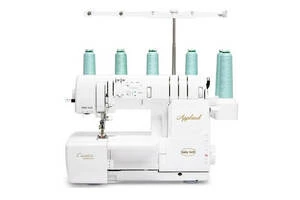
The use of sewing machines has always been a vital necessity for stitching fabric efficiently. A sewing machine consists of a needle, thread, and a mechanical or electric system to produce uniform stitches that match the fabric's layer thickness. Today's sewing machines can work with a wide range of fabrics, from the skinny and airy cotton to super heavy denim and even leather, and much more in between. In addition, a vast majority of the machines not only come with built-in stitch patterns but also with automated functions that make the whole process very fast and exceptionally accurate.
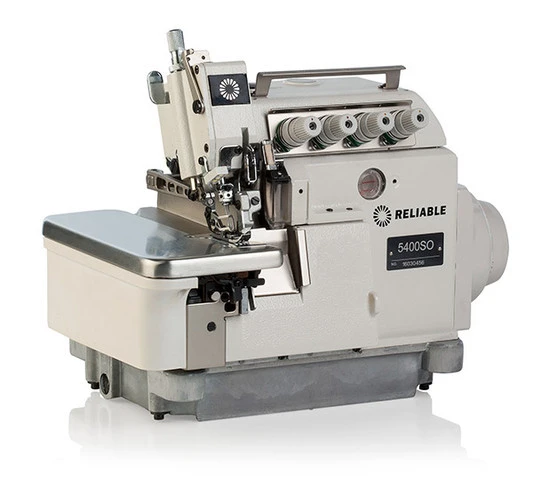
Sewing machines are classified in several ways according to what they can do and who will use them. Mechanical machines, the simplest and most reliable, are perfect for novice sewers or minimal sewing tasks. Electronic machines have many features, a broad range of stitches, and are easy to operate. Overlock or serger machines give a professional touch to fabric edges and seams. Embroidery machines let you, the user, put very complicated designs directly onto the fabric. The right type selection is based on your sewing ambitions and expertise.
Many things should be assessed when buying a sewing machine. First of all, stitch selection, performance, longevity, and user-friendliness, along with versatility with different kinds of materials, should be considered. Portability, supplied tools, and warranty period should also be primary considerations as they are significant factors. If you are a beginner, it is advisable to use a machine that is not only uncomplicated but also strong and long-lasting, whereas professional sewists may prefer machines with advanced features such as quilting or embroidery.
A high-quality sewing machine provides reliable stitches, less physical work, and more imaginative designs. Automatic threading, stitch selection, and tension control are just a few of the features that make it easy for users to achieve professional results with sewing machines on home projects, clothing, or craft creations.
Regular maintenance is essential if you want your machine to perform well for a long time. Remove dust and lint from the bobbin area, oil the moving parts according to the manufacturer's recommendations and, most importantly, change your needles frequently. Along with these, tension checks, belts, and electronic parts will ensure smooth operation. A sewing machine that is well-maintained will have a longer life and will not need expensive repairs.
Sewing machines are flexible instruments in the hands of both amateurs and professionals. In Canada and even outside its borders, numerous people depend on these machines for their individual and commercial work.
If you are one of those people who are looking for sturdy and high-quality sewing machines that perform excellently, Sawyer Sewing presents an extensive collection of machines that are ideal for novices, amateurs, and even professional sewists. They also offer the best expert advice and support in choosing the perfect machine for your own requirements.
This article's author is Jeny Hawk. For additional information regarding sewing machines Canada, please continue browsing our website at sawyersewing.com.
























Sign in to leave a comment.