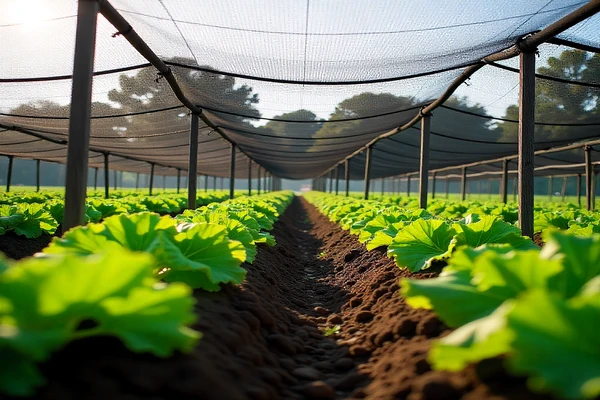
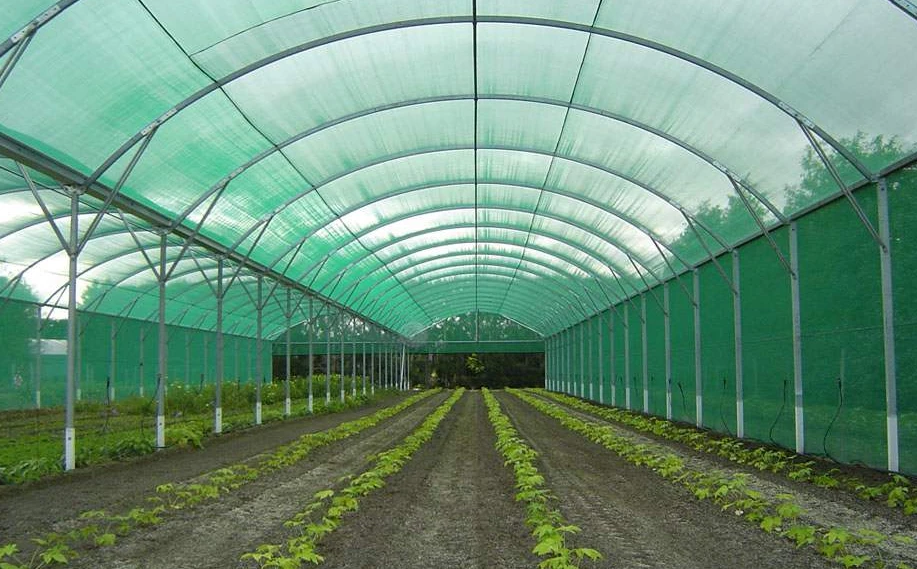
Climate change is becoming one of the biggest challenges for farmers across the world. Rising temperatures, unpredictable rainfall, frequent heatwaves, and water scarcity are putting crop productivity at serious risk. To tackle these issues, modern farming is quickly shifting toward shade net agriculture, a simple yet highly effective solution that protects crops from harsh climatic conditions.
In this blog, we’ll explore how shade nets help farmers fight climate change and ensure sustainable crop production.
1. Reducing Heat Stress on Crops
High temperatures can cause severe heat stress, leading to reduced photosynthesis and poor crop growth. Shade net agriculture reduces direct sunlight and maintains an optimal microclimate for plants.
Benefits:
- Lower leaf burn and sunscald
- Improved plant health and growth
- Uniform temperature inside the shade net
By blocking excessive UV radiation, shade nets help crops survive extreme heat caused by climate change.
2. Conserving Water in Agriculture
With global warming, water shortages are becoming more frequent. Shade nets help reduce water evaporation from both soil and plant surfaces.
How shade nets support water saving:
- Up to 30–40% less water usage
- Reduced frequency of irrigation
- Higher soil moisture retention
This makes shade net agriculture a key tool for regions affected by drought and water scarcity.
3. Protecting Crops From Excessive Rainfall
Climate change also brings unpredictable heavy rainfall, which can damage delicate crops. Shade nets act as a protective barrier and reduce the direct impact of rain on plants.
Advantages:
- Prevents soil erosion
- Reduces crop lodging
- Protects seedlings and nurseries
Farmers using shade nets notice fewer crop losses during monsoon shifts and heavy rain spells.
4. Improving Crop Quality Under Changing Climate Conditions
Heatwaves, strong winds, and fluctuating temperatures reduce crop quality. Shade net agriculture provides a controlled environment where plants can grow uniformly.
Results:
- Better fruit color and size
- Higher nutrient retention
- Improved shelf life
This is especially beneficial for high-value crops like capsicum, cucumber, strawberries, tomatoes, and flowers.
5. Lowering Carbon Footprint in Farming
Shade nets promote sustainable farming by reducing the dependence on chemical inputs and cooling systems.
Eco-friendly benefits:
- Decreases need for chemical pesticides
- Cuts down energy usage
- Supports organic farming practices
By creating a more stable microclimate naturally, shade net agriculture contributes to climate-smart farming.
6. Increasing Farmer Resilience Against Climate Change
Ultimately, the greatest benefit of shade nets is their ability to make farms more resilient. As weather patterns become more unpredictable, shade net agriculture offers stable and consistent growing conditions.
This leads to:
- Reduced crop loss
- Stable yields across seasons
- Higher income security for farmers
Even small farms can benefit from shade nets, making them a practical climate-adaptation tool.
Conclusion
Climate change is transforming agriculture, but solutions like shade net agriculture empower farmers to protect their crops and maintain consistent yields. By reducing heat stress, conserving water, and creating a stable growing environment, shade nets have become essential for climate-resilient farming.
At Neha Mulch Films, we offer high-quality shade nets designed to help farmers overcome these climate challenges effectively. If you're looking to adopt durable and reliable shade net solutions for your fields, be sure to check out our products and see how we can support your farming journey.







Sign in to leave a comment.