
SharePoint Portals are web-based applications that provide a central location for storing, organizing, and sharing information. They can be used to create a variety of different portals, such as intranet portals, extranet portals, and customer portals.
SharePoint Portals are built on the SharePoint platform, which is a powerful collaboration and content management platform. SharePoint provides a wide range of features and functionality that can be used to create powerful and engaging portals.
Planning a SharePoint Portal
The first step in developing a SharePoint Portal is to plan. This includes determining the purpose of the portal, the target audience, and the features that will be included. It is also important to consider the technical requirements, such as the hardware and software that will be needed.
Here are some things to consider when planning a SharePoint Portal:
Purpose: What is the purpose of the portal? Will it be used for collaboration, information sharing, or something else?Target Audience: Who will be using the portal? Employees, customers, partners, or a combination of these?Features: What features will the portal need? This could include document management, search, collaboration tools, and more.Technical Requirements: What hardware and software will be needed to run the portal?Designing a SharePoint Portal
Once the planning phase is complete, the next step is to design the portal. This includes creating wireframes and mockups of the portal, as well as designing the user interface and navigation. It is also important to consider the branding and overall look and feel of the portal.
Here are some things to consider when designing a SharePoint Portal:
Wireframes and Mockups: Create wireframes and mockups of the portal to get a visual representation of how it will look.User Interface: Design the user interface to be easy to use and navigate.Navigation: Create a clear and logical navigation structure for the portal.Branding: Consider the branding and overall look and feel of the portal.Developing a SharePoint Portal
The development phase is where the portal is actually built. This includes creating the pages, adding content, and configuring the features. It is also important to test the portal to ensure that it is working properly.
Here are some things to consider when developing a SharePoint Portal:
Pages: Create the pages that will be used in the portal.Content: Add content to the pages, such as documents, images, and videos.Features: Configure the features that will be used in the portal, such as document management, search, and collaboration tools.Testing: Test the portal to ensure that it is working properly.Deploying a SharePoint Portal
Once the development phase is complete, the portal is deployed to production. This includes making the portal available to users and providing training on how to use it. It is also important to monitor the portal and make changes as needed.
Here are some things to consider when deploying a SharePoint Portal:
Availability: Make the portal available to users.Training: Provide training on how to use the portal.Monitoring: Monitor the portal for errors and make changes as needed.Maintaining a SharePoint Portal
SharePoint Portals are constantly evolving, so it is important to maintain them on an ongoing basis. This includes adding new content, updating features, and fixing bugs. It is also important to back up the portal regularly in case of a disaster.
Here are some things to consider when maintaining a SharePoint Portal:
Content: Add new content to the portal, such as documents, images, and videos.Features: Update the features that are used in the portal.Bugs: Fix any bugs that are found in the portal.Backups: Back up the portal regularly in case of a disaster.Conclusion
SharePoint Portal Development can be a complex process, but it is also a rewarding one. By following the steps outlined in this guide, you can create a SharePoint Portal that meets the needs of your organization.
Here are some additional tips for SharePoint Portal Development:
Use a template or framework to get started. This can save you time and effort.Get help from a professional if you need it. There are many consultants and developers who specialize in SharePoint Portal Development.Don't be afraid to experiment. The best way to learn is by doing.Have fun! SharePoint Portal Development can be a great way to showcase your skills and creativity.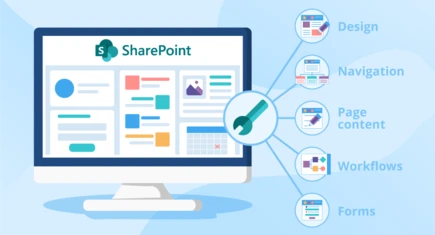


Sign in to leave a comment.