
Introduction:
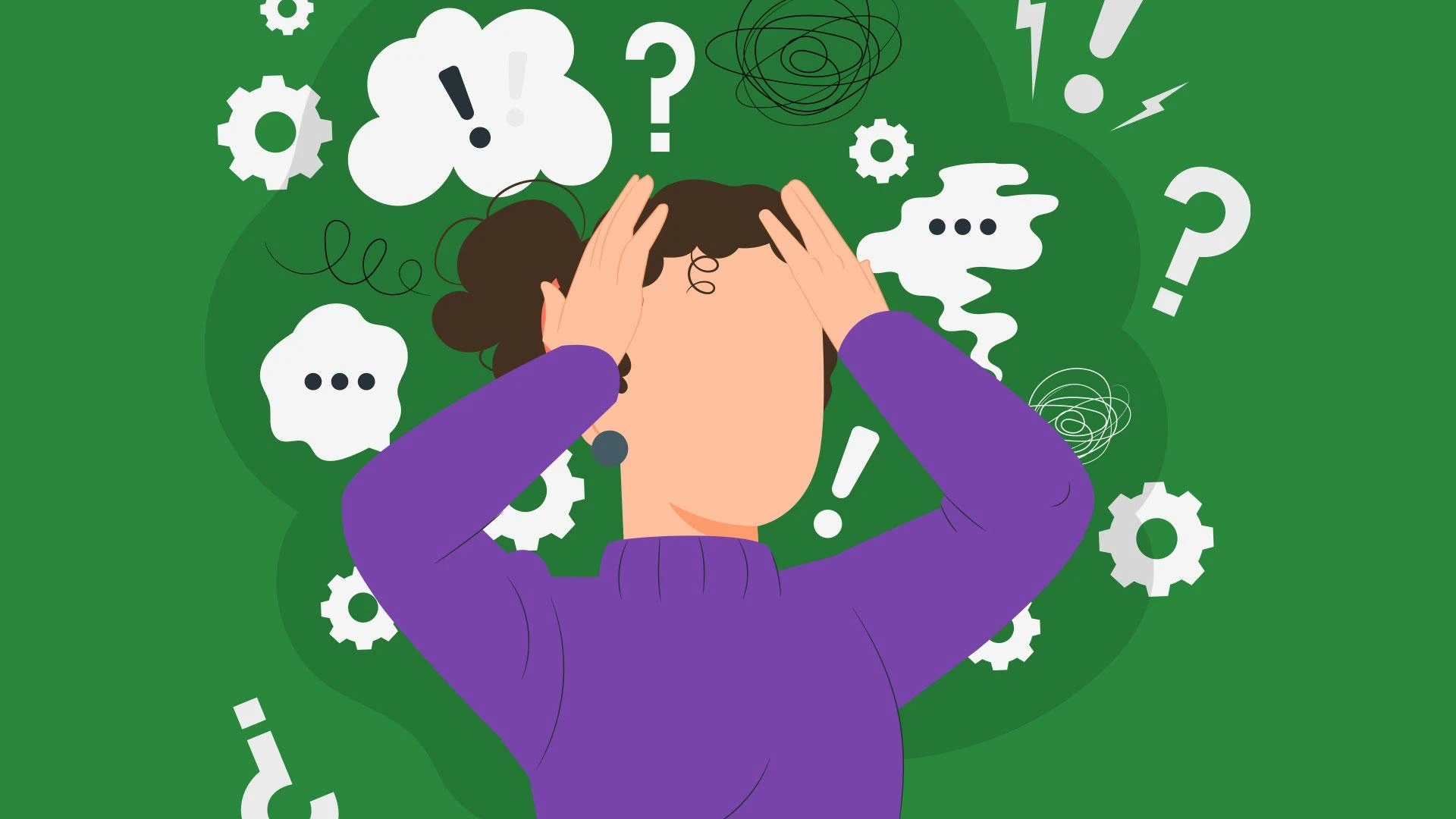
Anxiety, a silent shadow that lurks in the corners of the mind, can cast a long shadow over one\'s life. It manifests in various forms, from the nagging worry that gnaws at the edges of consciousness to the overwhelming panic that threatens to engulf the soul. In the darkness of anxiety\'s grip, it can feel as though there is no escape, no relief from the relentless barrage of anxious thoughts and feelings. However, amidst the darkness, there exists the possibility of finding light. In this article, we explore the nature of anxiety, its impact on individuals\' mental and emotional well-being, and strategies for coping with and overcoming its formidable hold.
Understanding Anxiety:
Unraveling the Knots Anxiety is more than just a fleeting feeling of nervousness; it is a complex and multifaceted emotional state that encompasses a range of cognitive, emotional, and physiological responses. At its core, anxiety is the body\'s natural response to stress, a survival mechanism designed to alert us to potential threats and prepare us for action. However, when anxiety becomes chronic or overwhelming, it can disrupt our daily lives and impair our ability to function effectively.
One of the defining characteristics of anxiety is its tendency to distort reality, leading individuals to perceive danger where none exists or to catastrophize minor setbacks. This distorted perception can fuel a cycle of anxious thoughts and behaviors, further reinforcing feelings of fear and apprehension. Moreover, anxiety often manifests physically, with symptoms such as rapid heartbeat, trembling, sweating, and shortness of breath. These somatic sensations can intensify the psychological distress associated with anxiety, creating a feedback loop of discomfort and unease.
The Impact of Anxiety: Navigating the Emotional Landscape
The emotional toll of anxiety is profound, affecting individuals\' mood, outlook, and overall quality of life. Chronic anxiety can erode one\'s sense of self-esteem and self-worth, leading to feelings of inadequacy and self-doubt. It can also strain interpersonal relationships, as individuals may withdraw from social interactions or struggle to communicate their needs and feelings effectively.
Moreover, anxiety can contribute to a host of other mental health issues, including depression, substance abuse, and eating disorders. Left unchecked, anxiety can spiral out of control, exacerbating existing problems and creating new ones in its wake. The emotional burden of anxiety can be overwhelming, leaving individuals feeling trapped and powerless to escape its grasp.
Finding Light in the Darkness: Strategies for Coping
While anxiety may feel like an insurmountable obstacle, there are strategies and techniques that individuals can employ to cope with and overcome its formidable hold. One such strategy is cognitive-behavioral therapy (CBT), a therapeutic approach that aims to identify and challenge maladaptive thought patterns and behaviors associated with anxiety. Through techniques such as cognitive restructuring and exposure therapy, individuals can learn to reframe their thinking and confront their fears in a controlled and systematic manner.
Mindfulness-based interventions, such as mindfulness meditation and deep breathing exercises, can also be powerful tools for managing anxiety. By cultivating present-moment awareness and practicing non-judgmental acceptance of one\'s thoughts and feelings, individuals can learn to detach from the grip of anxious thoughts and cultivate a sense of calm and equanimity. Additionally, lifestyle modifications such as regular exercise, adequate sleep, and healthy dietary habits can play a crucial role in managing anxiety by promoting physical well-being and resilience.
Building Resilience: Strengthening the Foundations
In addition to coping strategies for managing anxiety, building resilience is essential for long-term recovery and well-being. Resilience is the ability to bounce back from adversity and navigate life\'s challenges with grace and fortitude. While some individuals may possess a natural predisposition towards resilience, it is also a skill that can be cultivated and strengthened through deliberate practice and self-reflection.
One way to foster resilience is by cultivating a growth mindset, the belief that challenges are opportunities for growth and learning rather than insurmountable obstacles. By reframing setbacks as temporary setbacks rather than permanent failures, individuals can maintain a sense of optimism and agency in the face of adversity.
Embracing Self-Compassion: The Key to Healing
Perhaps the most important aspect of coping with anxiety is practicing self-compassion. In the midst of the turmoil and chaos of anxious thoughts and feelings, it can be easy to succumb to self-criticism and self-judgment. However, self-compassion offers an alternative path, one rooted in kindness, acceptance, and understanding.
By treating oneself with the same warmth and empathy that one would offer to a close friend, individuals can cultivate a sense of inner peace and acceptance that transcends the turmoil of anxiety. Self-compassion involves recognizing one\'s own humanity, with all its flaws and imperfections, and embracing oneself with unconditional love and acceptance.
In Conclusion: Finding Light in the Darkness
While anxiety may cast a long shadow over one\'s life, it need not define one\'s destiny. By understanding the nature of anxiety, embracing coping strategies, and cultivating resilience and self-compassion, individuals can learn to navigate the emotional landscape with grace and equanimity. Though the darkness of anxiety may seem overwhelming at times, there is always the possibility of finding light, of emerging from the shadows to embrace a future filled with hope and possibility. As individuals embark on the journey towards healing and wholeness, may they remember that they are not alone, and that there is always light to be found in the darkness.











Sign in to leave a comment.