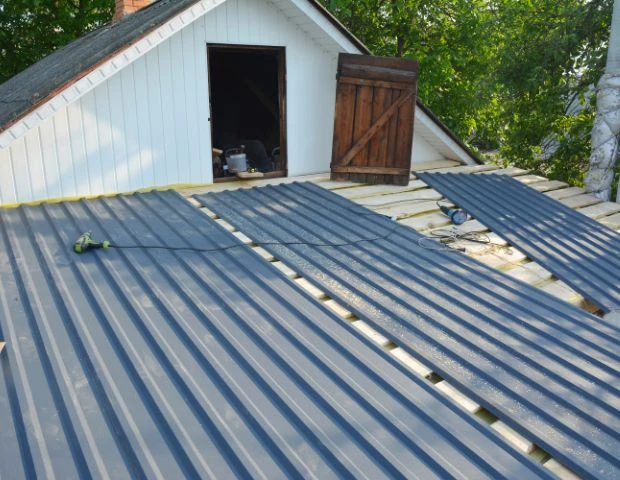

Shingle roofing is one of the most popular choices for homeowners due to its durability, affordability, and aesthetic appeal. In this comprehensive guide, we will explore the various aspects of shingle roofing, from the types of shingles available to the installation process and maintenance tips. Our aim is to provide detailed, valuable information that will help you make an informed decision about your roofing needs.
Types of Shingles
Asphalt Shingles
Asphalt shingles are the most common type of roofing material used in residential homes. They are cost-effective, easy to install, and come in a wide range of colors and styles. Asphalt shingles can be further categorized into three-tab shingles and architectural shingles.
Three-Tab Shingles: These are the traditional style of asphalt shingles. They are flat and feature three distinct tabs or cutouts along their lower edge. Three-tab shingles are lightweight and less expensive, but they have a shorter lifespan compared to architectural shingles.
Architectural Shingles: Also known as dimensional or laminate shingles, these are thicker and have a more textured appearance. Architectural shingles are more durable and offer better wind resistance, making them a preferred choice for many homeowners.
Wood Shingles and Shakes
Wood shingles and shakes provide a natural, rustic look to a home. They are usually made from cedar, redwood, or pine.
Wood Shingles: These are machine-cut and have a smooth, uniform appearance. Wood shingles offer a sleek, classic look but require more maintenance to prevent mold, rot, and insect damage.
Wood Shakes: These are hand-split and have a more rugged, textured appearance. Wood shakes are thicker than shingles and provide excellent insulation, but they also demand more upkeep.
Metal Shingles
Metal shingles are gaining popularity due to their durability and energy efficiency. Made from materials such as aluminum, steel, or copper, metal shingles can mimic the appearance of other roofing materials while offering superior protection against the elements.
Aluminum Shingles: Lightweight and resistant to corrosion, aluminum shingles are a great choice for coastal areas. They are also energy-efficient, reflecting sunlight to keep homes cooler in the summer.
Steel Shingles: Steel shingles are strong and durable, often coated with zinc or aluminum to prevent rust. They can withstand severe weather conditions and are a long-lasting roofing option.
Copper Shingles: Known for their distinctive appearance, copper shingles develop a natural patina over time. They are highly durable and require minimal maintenance, but they are also one of the more expensive options.
Slate Shingles
Slate shingles are a premium roofing material known for their beauty and longevity. Made from natural stone, slate shingles can last over a century if properly maintained. They are fire-resistant, environmentally friendly, and add significant value to a home. However, slate shingles are heavy and require a strong roof structure to support their weight.
Composite Shingles
Composite shingles, also known as synthetic or engineered shingles, are made from a blend of materials such as plastic, rubber, and asphalt. They are designed to mimic the appearance of wood, slate, or tile shingles while offering enhanced durability and lower maintenance requirements.
Installation Process
Preparation
Proper preparation is crucial for a successful shingle roofing installation hampton nh. This involves inspecting the existing roof structure, removing old roofing materials, and ensuring the roof deck is in good condition. Any damaged or rotten areas should be repaired or replaced.
Underlayment Installation
The underlayment is a protective layer that goes on top of the roof deck before the shingles are installed. It acts as a barrier against moisture and helps prevent leaks. Common types of underlayment include asphalt-saturated felt and synthetic materials.
Flashing Installation
Flashing is used to seal and protect areas of the roof where different components meet, such as valleys, chimneys, and vents. Proper flashing installation is essential to prevent water infiltration and extend the life of the roof.
Shingle Installation
The actual shingle installation process varies depending on the type of shingles used. For asphalt shingles, the process typically involves:
- Starter Strip Installation: A starter strip of shingles is installed along the eaves to provide a straight edge and enhance wind resistance.
- First Row of Shingles: The first row of shingles is laid along the bottom edge of the roof, ensuring they overhang the eaves slightly.
- Subsequent Rows: Each row of shingles is installed above the previous one, with the tabs or seams staggered to prevent leaks.
- Ridge Cap Shingles: Special shingles are used to cover the ridge of the roof, providing a finished look and additional protection against water infiltration.
Final Inspection
After the shingles are installed, a final inspection is performed to ensure all components are properly installed and there are no visible defects. This includes checking for loose or missing shingles, verifying the alignment, and ensuring proper flashing installation.
Maintenance Tips
Regular Inspections
Regular roof inspections can help identify and address issues before they become major problems. It is recommended to inspect your roof at least twice a year, in the spring and fall, as well as after severe weather events.
Cleaning Debris
Keeping your roof clean of debris, such as leaves, branches, and dirt, is essential for maintaining its longevity. Debris can trap moisture, leading to mold growth and roof damage.
Gutter Maintenance
Clean and well-maintained gutters are crucial for preventing water damage to your roof and home. Ensure your gutters are free of debris and functioning properly to direct water away from the roof.
Addressing Moss and Algae
Moss and algae growth can damage shingles and affect the roof\'s appearance. Use a gentle cleaning solution or hire a professional to remove moss and algae without damaging the shingles.
Repairing Damage Promptly
Any signs of damage, such as missing or cracked shingles, should be addressed promptly to prevent further deterioration. Small repairs can prevent more extensive and costly damage in the future.
Benefits of Shingle Roofing
Affordability
Shingle roofing, particularly asphalt shingles, is one of the most cost-effective roofing options available. The materials are affordable, and the installation process is relatively straightforward, reducing labor costs.
Versatility
Shingles come in a wide variety of styles, colors, and materials, allowing homeowners to choose an option that best fits their aesthetic preferences and budget. This versatility makes shingle roofing suitable for various architectural styles.
Ease of Installation
Shingle roofing is generally easier and quicker to install compared to other roofing materials. This means less disruption for homeowners and quicker project completion times.
Durability
High-quality shingles, especially architectural and metal shingles, offer excellent durability and can withstand harsh weather conditions. Proper installation and maintenance can further extend the lifespan of a shingle roof.
Energy Efficiency
Some shingles, such as metal and certain asphalt shingles, are designed to reflect sunlight and reduce heat absorption. This can help keep homes cooler in the summer and reduce energy costs.
Conclusion
Shingle roofing remains a popular choice for homeowners due to its affordability, versatility, and durability. Whether you opt for asphalt, wood, metal, slate, or composite shingles, each type offers unique benefits to suit different needs and preferences. Proper installation and regular maintenance are key to ensuring the longevity and performance of your shingle roof. By understanding the various options and following best practices, you can enjoy a beautiful, long-lasting roof that enhances the value and curb appeal of your home.












Sign in to leave a comment.