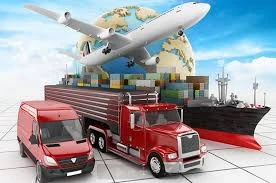

In the modern world, trade relations between countries are a significant part of the global economy. The delivery of goods across borders is a logistical challenge that requires efficient transportation methods. Transportation of containers from China to Ukraine is a prominent example of how containers, which account for 90% of the world's traded goods, are essential tools for moving products worldwide. These containers can be transported by rail, road, or water, and are crucial to ensuring goods reach consumers efficiently.
Types of Containers and Their Sizes
When it comes to container transportation, several types are available to suit different goods and transportation methods. The most commonly used sizes are 20-foot and 40-foot containers. The main difference between them is their length, which affects the amount of cargo that can be stored. A 20-foot container holds less than a 40-foot one, making it suitable for smaller shipments. Depending on the type and quantity of goods being shipped, the appropriate container size is selected to optimize storage and transport costs.
Modes of Transportation for Containers
There are several ways to transport containers, each with its unique benefits and limitations. The most common methods include sea transportation, railroad shipping, and multimodal transportation. Sea transportation is often the most cost-effective option, especially for deliveries to countries in Europe and the Far East. For those located in central Eurasia, however, railroad shipping can provide faster delivery, though it tends to be more expensive. Multimodal transportation, combining sea and rail or other forms of transport, is also a popular choice, particularly for those requiring efficient logistics across long distances.
Participants in Container Transportation
The process of shipping containers from China involves several parties. The primary participants are the importer, the exporter, and the transportation company. The importer orders goods from the exporter, while the transportation company is responsible for moving the goods from one party to the other. Additionally, there are secondary participants such as freight forwarders, port workers, and customs agents who facilitate the process by ensuring smooth transitions at various stages of transportation.
Export Process and Shipping Documentation
The export process begins when the goods are packed and prepared for shipment. After loading the goods into a container, a forwarder handles the logistics, including sealing the container and preparing the necessary documents, such as the bill of lading. This document acts as proof of the transaction and is required for customs clearance. The forwarder manages the movement of goods from the point of origin to the final destination, ensuring that all paperwork, including customs declarations and taxes, is correctly handled. Upon arrival, goods are either unloaded at a port or railway station, where they undergo further customs checks before being sent to the final destination.
The transportation of containers from China involves many steps and coordination between various parties. Whether by sea, rail, or a combination of transportation methods, ensuring efficient and timely delivery is crucial for the success of international trade.
































Sign in to leave a comment.