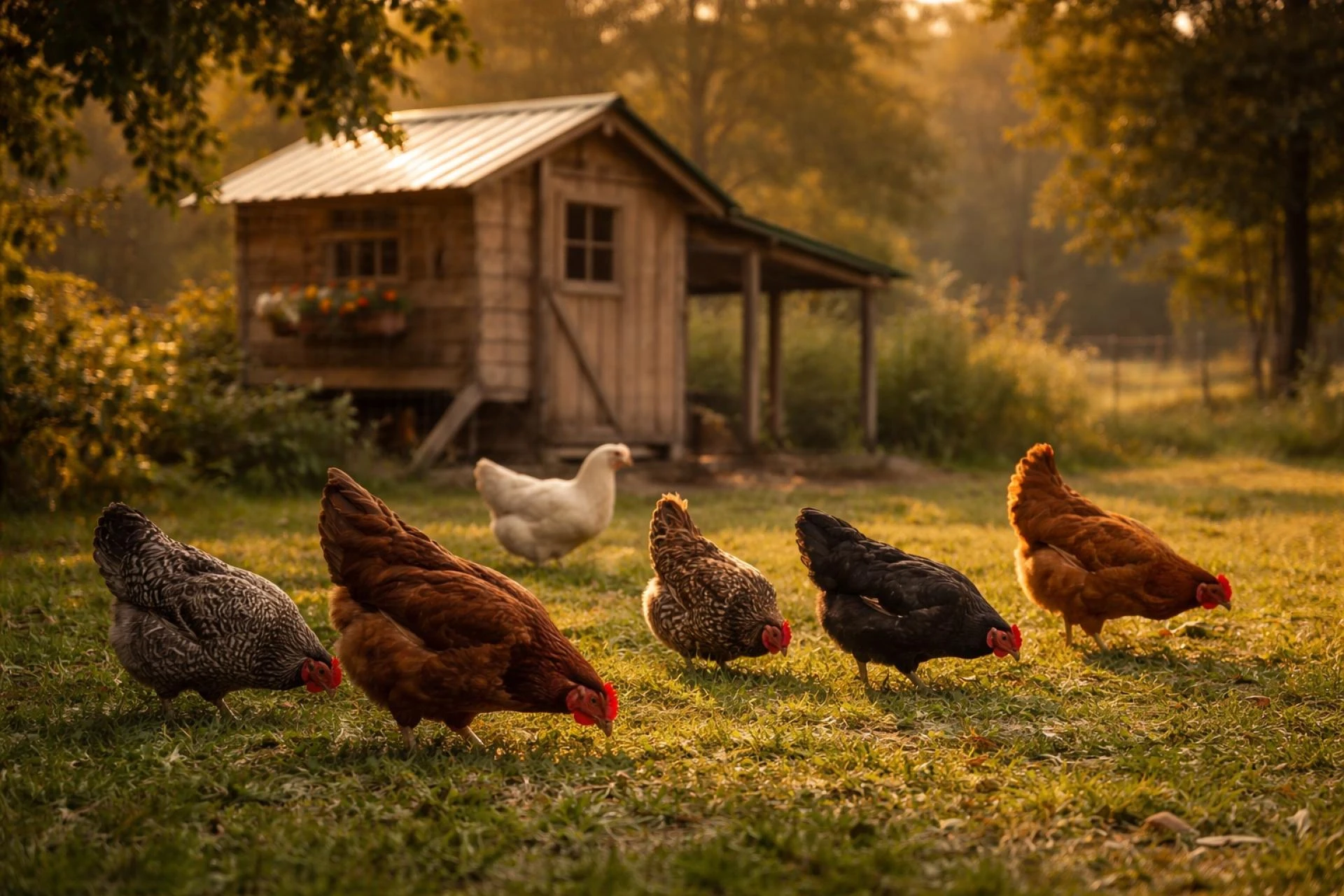

If there is one animal that belongs on almost every homestead, small farm, or even a generous suburban backyard, it is the chicken. No other animal delivers such a well-rounded return on a modest investment. Fresh eggs every morning, natural pest control across your garden beds, rich manure for your compost pile, and a surprisingly entertaining daily presence that a growing number of people find genuinely therapeutic. Chickens are the entry point into livestock keeping for millions of people worldwide, and with good reason.
But getting started well matters more than most beginners realize. The gap between a thriving backyard flock and a frustrating, expensive, predator-decimated disappointment often comes down to a handful of decisions made in the first few weeks. This guide covers what those decisions are and how to get them right.
Choosing the Right Breed for Your Goals
The first decision is also the most important, and it is one that too many beginners make based on appearance rather than temperament and productivity. There are hundreds of chicken breeds, and they vary enormously in egg production, cold and heat hardiness, disposition toward humans, tendency to go broody, and suitability for small spaces.
If consistent egg production is your primary goal, breeds like the Rhode Island Red, Leghorn, and Australorp are hard to beat. The Black Australorp holds the world record for egg laying, with one hen producing 364 eggs in 365 days under official testing conditions. For families with children, or anyone who wants a calm, handleable bird, breeds like the Orpington, Brahma, and Sussex are known for their docile, friendly temperaments. If you live in a cold climate, heavy breeds with small combs, such as the Dominique or Wyandotte, handle winter conditions far better than Mediterranean breeds like the Leghorn, which are susceptible to frostbitten combs.
The Henderson's Chicken Breed Chart, maintained at Ithaca College, is one of the most comprehensive free resources available for comparing breeds across dozens of characteristics. It is worth spending an hour with before committing to a breed.
Setting Up the Coop
A well-designed coop is the foundation of a healthy flock. Chickens need protection from predators, shelter from weather extremes, adequate ventilation without drafts, nesting boxes for laying, and enough roosting bar space for every bird to sleep comfortably off the ground.
The general rule of thumb is four square feet of indoor coop space per bird, combined with ten square feet of outdoor run space per bird. These are minimums. More space consistently produces healthier, less stressed birds with better egg production and fewer behavioral problems like feather pecking.
Ventilation is the most commonly underestimated coop design factor. Chickens produce significant moisture through respiration, and ammonia from droppings builds up quickly in a poorly ventilated space. Both moisture and ammonia cause serious respiratory problems. Vents should be positioned high on the coop walls, above roosting height, so fresh air circulates without creating cold drafts at bird level. Purina's coop ventilation guide covers the specifics clearly and is a reliable starting reference.
Predator proofing deserves equal attention. Foxes, raccoons, weasels, hawks, and dogs account for the majority of backyard flock losses, and many of these predators are remarkably persistent and clever. Hardware cloth, not chicken wire, should cover all openings. Chicken wire keeps chickens in but does not keep determined predators out. Bury wire aprons around the perimeter of your run to prevent digging, and make sure latches on doors are raccoon-proof, which typically means using carabiners or two-step latches rather than simple hook-and-eye closures.
Feeding Your Flock Well
Nutrition is where many backyard keepers cut corners and pay for it in reduced egg production, poor feather condition, and increased susceptibility to disease. Chickens have specific nutritional requirements that change across life stages, and meeting those requirements consistently is not complicated but does require some basic knowledge.
Chicks from hatch to approximately 16 weeks need chick starter feed, which is higher in protein to support rapid growth and development. From 16 weeks or the point of first lay, hens transition to layer feed, which is formulated with the calcium levels needed to produce strong eggshells. Supplemental oyster shell, offered free choice in a separate container, ensures hens can self-regulate their calcium intake according to their individual production needs.
Treats are fine in moderation but should not exceed 10 percent of daily intake. Kitchen scraps, insects, and garden surplus are all welcome additions, but too many treats dilute the nutritional balance of a properly formulated feed. The Merck Veterinary Manual's poultry nutrition section provides detailed information on chicken dietary requirements for anyone who wants to go deeper into the science.
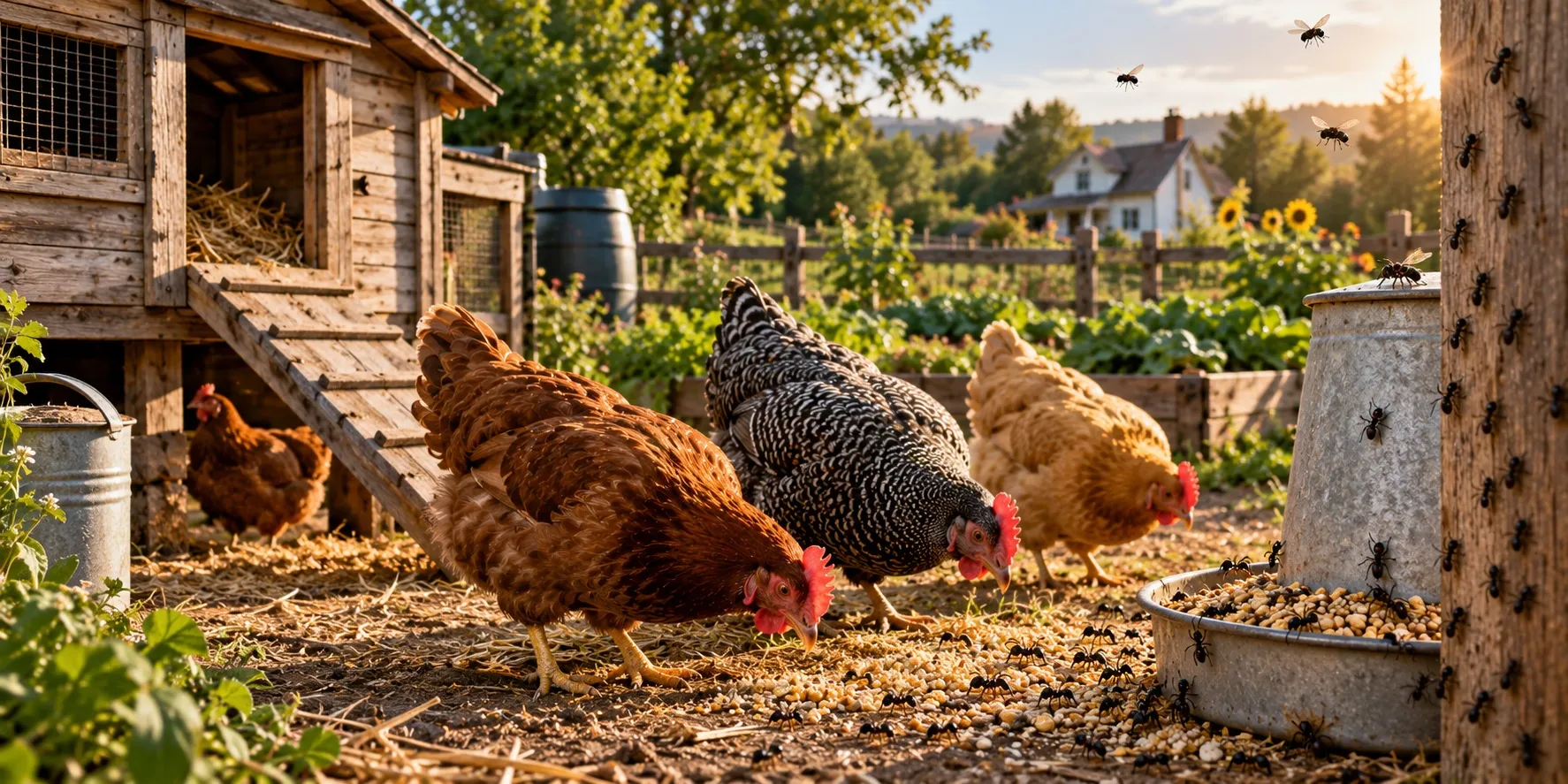
One of the most practical upgrades any chicken keeper can make is building or installing an automatic chicken feeder that operates without electricity. Gravity-fed or treadle-style feeders reduce feed waste significantly by limiting access to birds only, keeping wild birds and rodents out of your flock's feed. They also reduce the daily labor of feeding, which matters if you have a busy schedule or want the flexibility to leave your flock for a day or two without arranging coverage. A well-designed no-electricity feeder can hold several days worth of feed, stays clean and dry, and pays for itself quickly in reduced waste.
Water: More Critical Than Most People Realize
Chickens can tolerate a surprising range of conditions, but water deprivation is not one of them. A laying hen drinks approximately half a liter of water per day under normal conditions, and significantly more in hot weather. Even a few hours without water during peak summer heat can cause a drop in egg production that takes days to recover from, and prolonged deprivation causes serious and sometimes irreversible damage.
Clean, fresh water available at all times is non-negotiable. Waterers should be cleaned and refilled daily rather than topped up, as algae, dirt, and droppings contaminate standing water quickly. In winter, heated waterers or regular checking and refreshing prevents the freezing that is one of the most common winter flock management challenges. BackYard Chickens, one of the largest and most active online chicken-keeping communities, has extensive forum threads on winter watering solutions for almost every climate.
Health Basics Every Keeper Should Know
Chickens are generally hardy animals, but they are susceptible to a range of parasites, respiratory infections, and nutritional deficiencies that a prepared keeper can prevent or catch early.
External parasites, particularly mites and lice, are almost universal in backyard flocks and manageable with regular monitoring and appropriate treatment. Check birds regularly under the wings and around the vent area, where mites congregate. A dust bathing area filled with fine dirt, sand, and food-grade diatomaceous earth gives birds a natural and effective tool for managing their own parasite load.
Respiratory illness in chickens spreads quickly through a flock and ranges from mild to devastating depending on the pathogen involved. The most common signs are rattling breath, nasal discharge, swollen sinuses, and reduced activity. New birds should always be quarantined for at least 30 days before being introduced to an established flock. The Poultry Extension program at the University of Georgia maintains excellent free resources on disease identification and prevention for small flock owners.
Worming is another area where practices vary widely. Some keepers worm preventatively on a schedule; others test before treating. Fecal float testing through a veterinarian or mail-in laboratory gives you actual data on your flock's worm burden before reaching for chemical treatments, which is both more targeted and less likely to contribute to resistance.
The Real Reward
Beyond the eggs, the pest control, and the compost inputs, the reason most backyard chicken keepers stick with it long after the initial novelty has worn off is simpler than any of those practical benefits. There is something genuinely grounding about the rhythm of caring for animals. The morning routine of opening the coop, checking the waterer, collecting eggs, and watching the flock range across the yard is the kind of small, repeated, purposeful activity that connects people to something larger than a screen or a schedule.
Chickens are a beginner-friendly entry point into that world. They forgive a reasonable amount of early mistakes, respond visibly and quickly to good management, and deliver daily evidence that what you are doing is working. For anyone on the fence about taking the plunge, the advice from almost everyone who has done it is consistent: start smaller than you think you need to, set your coop up better than you think you need to, and then go get your chickens.
You will not regret it.

Sign in to leave a comment.