
Introduction:
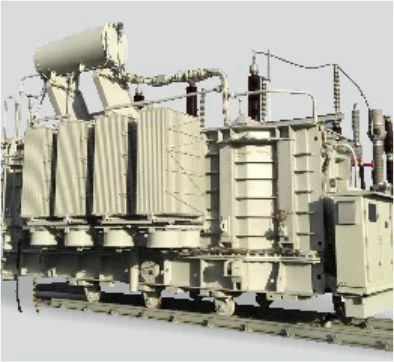
Shunt reactor are essential components of electrical power systems because they limit reactive power flow, help stabilize voltage levels, and enhance system efficiency. We shall examine shunt reactors, their relevance, and the elements that make them indispensable parts of the power distribution and transmission industry in this post. Despite the lack of detailed information on Jyoti Ceramic's products, we will go through the broad qualities to take into account while assessing shunt reactors.
Power Systems Require Shunt Reactors
High-voltage power systems employ shunt reactors as passive electrical components to account for capacitive loads, maintain system voltage levels, and cut back on reactive power flow. They are a crucial part of power systems for a number of reasons:
Voltage Regulation: Shunt reactors' ability to control the voltage in the power system is one of its main purposes. They assist in maintaining the optimum voltage levels by absorbing extra reactive power under low load conditions and releasing it under heavy load conditions.
Power Factor Correction: Shunt reactors increase the system's power factor, increasing efficiency. They enable the system to carry more actual power by decreasing the flow of reactive power, which boosts efficiency and lowers losses.
Getting Past Line Capacitance: Due to their length, high-voltage transmission lines have a sizable line capacitance. This line capacitance is made up for by shunt reactors, which maintain the stability of the power system and prevent voltage rise.
Shunt Reactors' Main Characteristics
Certain essential characteristics must to be taken into account while assessing shunt reactors from any manufacturer:
Core Material: The shunt reactor's core material is of utmost significance. Due to its low core losses and excellent efficiency, high-quality magnetic steel is frequently preferred. It guarantees a long service life and less energy loss during reactor operation.
Winding Design: A shunt reactor's performance depends heavily on its winding design. To maintain the reactor's dependability and capacity to handle electrical and thermal stressors, proper insulation, conductor materials, and winding methods are crucial.
Tap Changers: Some shunt reactors have tap changers that let the reactance be changed to accommodate shifting system conditions. In circumstances when the system voltage may change, this capability is essential.
Cooling system: To stop the reactor from overheating, effective cooling is necessary. Depending on the design and use of the reactor, forced air or oil cooling systems may be used as cooling techniques.
Noise Levels: Noise levels produced by the reactor can be an issue in some installations, especially those in sensitive or urban regions. Shunt reactors should be constructed correctly and insulated to reduce noise.
Efficiency and Losses: A well-designed shunt reactor should have minimal core and copper losses to provide efficient operation and minimal energy loss.
Uses for Shunt Reactors
Shunt reactors are used in a number of power industry areas, including:
High-Voltage Transmission Lines: Shunt reactors are frequently used in conjunction with high-voltage transmission lines to reduce the effects of capacitance and preserve voltage stability.Renewable Energy Integration: Shunt reactors are crucial for integrating intermittent renewable energy sources like wind and solar electricity into the grid and preserving voltage quality as they grow more prevalent.
Industrial Facilities: Shunt reactors are advantageous for industries with changing loads because they assist maintain voltage levels, enhance power factor, and lower energy expenditures.
Urban and Suburban Areas: Shunt reactors are used in urban and suburban regions to maintain a steady power supply and minimize voltage fluctuations that could damage sensitive equipment.
Shunt and ceramic Jyoti reactors
Although precise information regarding Jyoti Ceramic's shunt reactors is unavailable after my most recent update in September 2021, the company is a reputable producer of electrical equipment. It's critical to evaluate a manufacturer's reputation for quality, adherence to industry standards, and client feedback before purchasing products from one like Jyoti Ceramic.
Conclusion:
Shunt reactor are essential parts of contemporary electrical power systems because they guarantee voltage stability and effective power transfer. This article offers a thorough description of shunt reactors, their features, and their crucial function in a variety of applications, despite the lack of specific information concerning Jyoti Ceramic's shunt reactors. Always take the following factors into account while assessing shunt reactors: core materials, winding design, cooling systems, efficiency, and applications to guarantee the best equipment is chosen for your unique requirements.
Call us: +91 253 6918111, +91 253 2350120/338/729, +91 253 2351251
More about information for Shunt reactor then Visit our site



























Sign in to leave a comment.