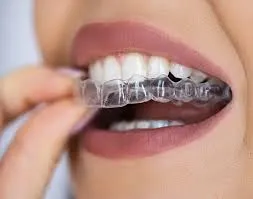

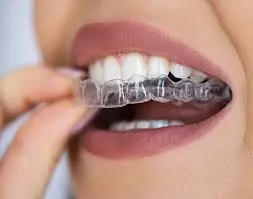
Many people don’t realize they need a dental mouth guard until serious symptoms start affecting their teeth, jaw, or sleep quality. If you’re visiting a trusted dentist in Carmel, you may already be experiencing early warning signs without connecting them to teeth grinding or jaw pressure. A custom-fitted dental mouth guard is often recommended to prevent long-term damage, but knowing when you actually need one is the key to protecting your oral health.
Ignoring the signs can lead to worn teeth, chronic jaw pain, and even costly restorative treatments later on. Understanding these warning signals can help you act before the damage becomes irreversible.
Waking Up with Jaw Pain or Tightness
One of the most common signs you need a dental mouth guard is waking up with jaw discomfort. If your jaw feels sore, tight, or fatigued in the morning, it may be due to nighttime teeth grinding or clenching, a condition known as bruxism.
A dentist often identifies this early during routine check-ups, even before patients notice it themselves. Over time, this constant pressure can strain the jaw muscles and lead to more serious conditions such as temporomandibular joint (TMJ) disorders. A dental mouth guard helps reduce pressure on the jaw by creating a protective barrier between the upper and lower teeth while you sleep.
Frequent Headaches or Ear Pain
If you experience unexplained headaches, especially in the morning, it may be linked to nighttime grinding. The muscles involved in jaw movement are closely connected to the temples and ears, which means excessive clenching can cause referred pain.
A dentist in Carmel may evaluate whether your symptoms are related to bite stress rather than neurological or sinus issues. Many patients are surprised to learn that their chronic headaches are actually dental in origin. In such cases, a dental mouth guard can significantly reduce muscle strain and help eliminate recurring pain.
Worn, Flattened, or Chipped Teeth
Visible changes in your teeth are a clear sign that you may need immediate protection. Bruxism can gradually wear down enamel, making teeth appear shorter, flatter, or uneven. A dentist may also notice small fractures, chips, or increased tooth sensitivity during an exam. These are signs that your teeth are under excessive pressure, often during sleep.
Without intervention, this wear can lead to:
- Increased tooth sensitivity
- Cracks requiring crowns or fillings
- Bite misalignment
A custom-fitted dental mouth guard in Carmel helps prevent further damage by absorbing grinding pressure.
Increased Tooth Sensitivity
If you suddenly notice sensitivity to hot or cold foods, it may not always be decay; it can also be caused by enamel wear from grinding. When protective enamel is worn down, the inner layers of the tooth become exposed, leading to discomfort.
A dentist will check for signs of enamel erosion and determine whether bruxism is contributing to the issue. Using a custom-fitted dental mouth guard can stop further enamel damage and help reduce sensitivity over time.
Clicking or Popping Jaw Sounds
Clicking, popping, or locking sensations in the jaw are often signs of TMJ stress. These symptoms may become worse during chewing or speaking and are commonly linked to teeth-clenching habits. A dentist in Carmel may assess jaw alignment and muscle tension to determine whether a mouth guard is needed to stabilize the bite and reduce strain. In many cases, a dental mouth guard helps reposition the jaw slightly and prevents further joint irritation.
Visible Stress or Anxiety-Related Clenching
Stress is one of the leading causes of teeth grinding. Many patients clench their teeth during the day without realizing it. Signs include:
- Tight facial muscles
- Sore temples
- Habitual jaw clenching during concentration or stress
A dentist may recommend behavioral awareness techniques along with a night guard to protect teeth during sleep.
Conclusion
If you are experiencing jaw pain, headaches, worn teeth, or sensitivity, these may all be signs that you need a dental mouth guard immediately. Early intervention is key to preventing long-term damage and avoiding expensive dental treatments. A trusted dentist can evaluate your symptoms and determine whether a custom-fitted dental mouth guard in Carmel is the right solution for you. With proper protection, you can safeguard your teeth, reduce discomfort, and improve overall oral health before the problem becomes more serious.























Sign in to leave a comment.