

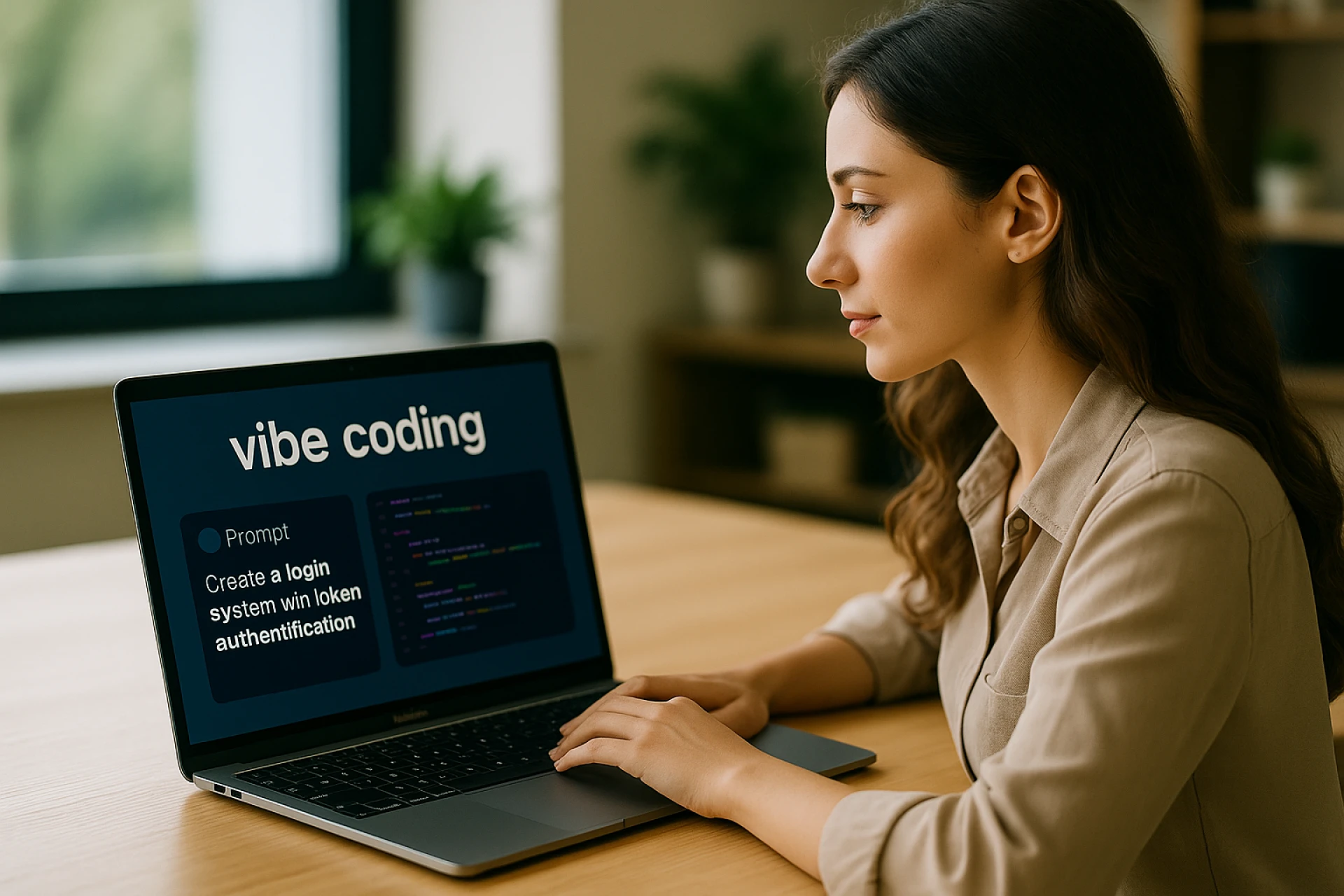
The phrase "vibe coding" has exploded across tech circles, developer forums, and even mainstream business conversations. Yet few stop to ask: are we all using the same definition? Simon Willison, an influential programmer and writer, has been outspoken about this very issue. He argues that the term has been stretched, diluted, and sometimes stripped of its original meaning. His crusade is simple but powerful: let’s stop misusing vibe coding and agree on a shared glossary that actually serves developers.
This article explores what vibe coding is, what it isn’t, and why the words matter for everyone in the software ecosystem.
What Vibe Coding Is (and Isn’t)
At its core, Vibe Coding refers to an emerging style of development where programmers collaborate with AI systems to generate functional code from natural language. Instead of manually typing out every line, a developer describes the goal, “create a login system with token authentication,” and the AI scaffolds the code. The developer then reviews, adjusts, and integrates it into the larger system.
It is not:
- Random improvisation without structure.
- Mindless reliance on AI tools.
- An excuse to bypass code quality, security, or documentation.
Simon Willison points out that misuse often comes from treating vibe coding as “just hacking something together” without care. That sells the concept short. True vibe coding is a deliberate partnership between human intuition and machine generation.
Why Words Matter in Developer Discourse
Language is more than semantics. In technical communities, shared terms set expectations and shape best practices. If developers keep misusing vibe coding, it risks becoming a meaningless buzzword, much like other tech phrases that lost clarity once marketing took over.
When teams agree on a definition, communication improves. A product manager asking for a vibe-coded prototype knows what process is implied. Recruiters seeking candidates familiar with vibe coding can evaluate skills properly. And businesses considering training investments won’t be misled by fuzzy terminology.
Willison’s warning is clear: definitions are the scaffolding of professional discourse. Without them, collaboration breaks down.
Building a Shared Glossary
To solve this, Willison suggests starting with a community glossary. A simple, open-source document that clearly defines emerging developer terms. Something similar already exists in other fields; medicine, law, and even finance rely on glossaries to standardize complex language.
For developers, a glossary would clarify distinctions such as
- Vibe Coding: AI-assisted coding guided by natural language, requiring developer oversight.
- Prompt Engineering: Crafting precise queries or instructions to achieve desired AI outputs.
- Generative Debugging: Using AI to analyze, suggest, or even rewrite broken code.
- Code Scaffolding: Automatically generating boilerplate structures that humans refine.
Such a glossary wouldn’t be about gatekeeping. Instead, it would protect useful ideas from being lost in the fog of hype.
Standards and the Call for Discipline
Willison’s broader call is for discipline. In software engineering, shared standards already exist in coding style guides, testing frameworks, and security protocols. Extending that discipline to language should be natural.
Think about the consequences of ambiguity. Imagine a large organization rolling out AI-driven development, with one team using vibe coding as structured AI collaboration, while another interprets it as free-form hacking. The inconsistency leads to wasted time, mismatched expectations, and potentially insecure code.
A glossary, coupled with lightweight standards, can prevent this. Developers could agree, for example, that what "vibe coding" means is AI-assisted generation with required human validation. never unreviewed production code. These agreements protect teams, products, and reputations.
Fiverr and the Practical Side of Language
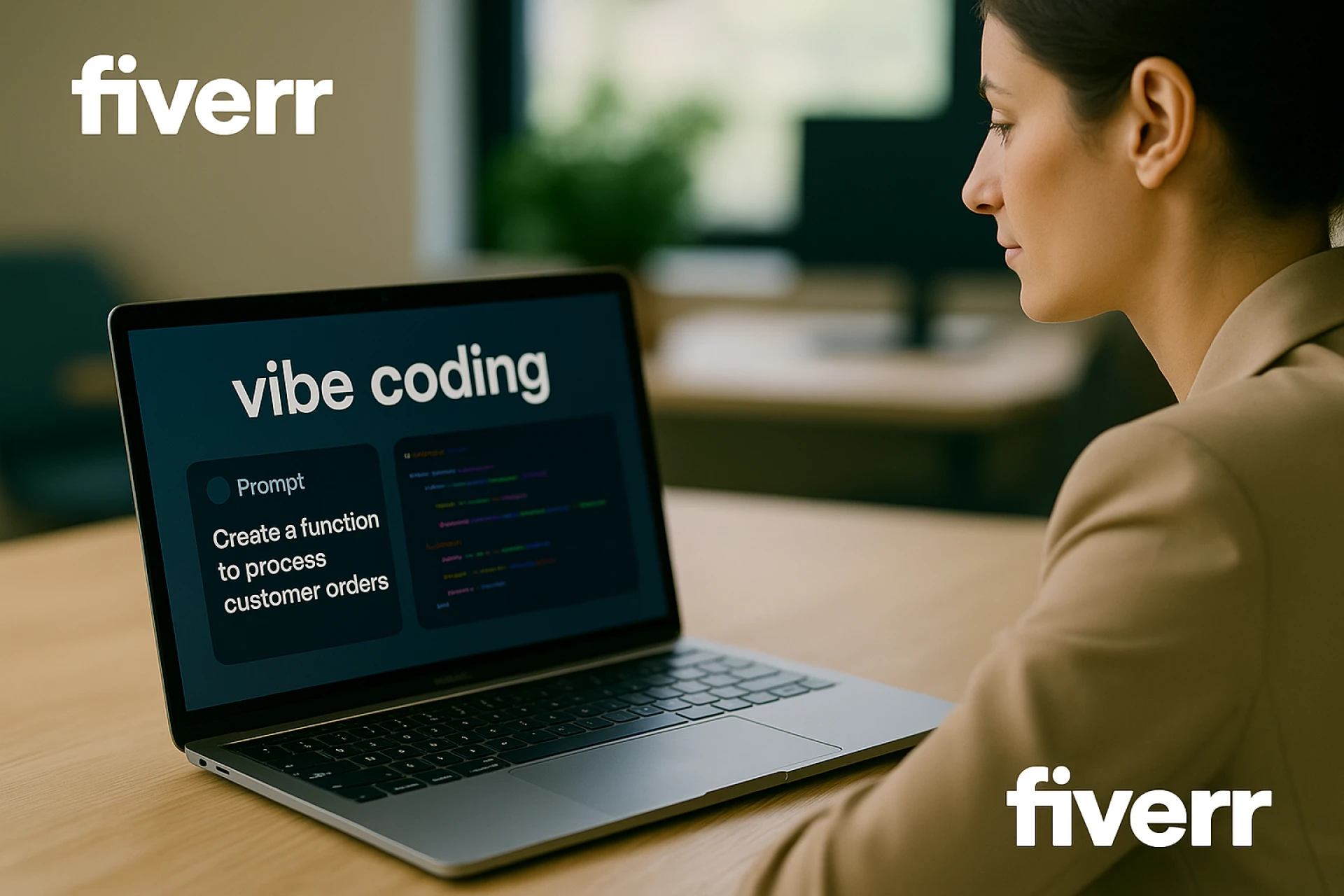
Freelancer using Fiverr for vibe coding projects with AI-assisted coding and prompt engineering.
Platforms like Fiverr show how terminology directly shapes opportunity. If a business searches for “vibe coding” on Fiverr, they’re looking for developers who understand this new workflow. Clear definitions ensure that freelancers market themselves honestly and that clients know what services they are buying. Ambiguous buzzwords only lead to mismatched expectations.
By clarifying terms now, developers, freelancers, and businesses alike avoid confusion. In fact, Fiverr’s dedicated section on what is vibe coding helps bridge that gap by explaining the basics to non-technical buyers.
Hyperlink to Willison’s Call
Simon Willison has written extensively about this issue, warning against the “slippery slope of buzzword misuse.” His piece, Not Vibe Coding, is a clear rallying cry for clarity and discipline in our language; see Willison’s essay here. A suitable anchor for this source link would be Simon Willison’s warning against term misuse.
Glossary: Towards Shared Definitions
Here is a starting glossary inspired by Willison’s vision:
- Vibe Coding: A structured process of working with AI tools to generate, review, and refine code through natural language prompts.
- Exploratory Coding: Informal trial-and-error development used to discover solutions, not necessarily AI-driven.
- Rapid Prototyping: Quickly building a functional, testable product version, which may or may not involve vibe coding.
- Code Snippet Generation: Producing isolated functions or modules via AI, without system-wide context.
By separating these, developers avoid conflating different practices and maintain clarity across projects.
The Standards Call: What Comes Next
Willison’s crusade is not just about vibe coding. It’s about setting a precedent. If the community can agree on vibe coding’s definition today, it paves the way for clear language around the many AI-driven practices that will emerge tomorrow.
The call is to developers, educators, hiring managers, and platforms:
- Educators should teach students precise definitions.
- Hiring managers should use consistent language in job descriptions.
- Platforms like Fiverr should maintain accurate guides to inform clients and freelancers.
- Developers should correct misuse where they see it, not to shame, but to safeguard the craft.
If language is the operating system of collaboration, then clarity is our security patch.
FAQs About Vibe Coding
What does "vibe coding" actually mean?
It refers to AI-assisted programming where developers describe goals in natural language and receive generated code, which they must then review, test, and refine.
How is vibe coding different from no-code tools?
No-code tools rely on visual drag-and-drop builders with limited flexibility. Vibe coding generates actual code that can be integrated into larger systems, offering more flexibility and scalability.
Why is there so much debate about the term?
Because it’s new and highly visible. Some use it casually to mean “coding with AI,” while others stick to stricter definitions. The lack of consensus causes confusion in developer discourse.
Where can I learn vibe coding?
Start with small AI-assisted projects, review authoritative guides, and look into platforms like Fiverr, where professionals offer tutorials and project-based services.
Final Thoughts
Simon Willison’s campaign to stop the misuse of vibe coding is a reminder that words matter as much as code. By clarifying what the term means, creating a glossary, and adopting lightweight standards, the developer community can preserve the value of this powerful concept. Misuse erodes clarity, but shared definitions unlock collaboration, trust, and better outcomes for everyone from solo freelancers to large engineering teams.






















Sign in to leave a comment.