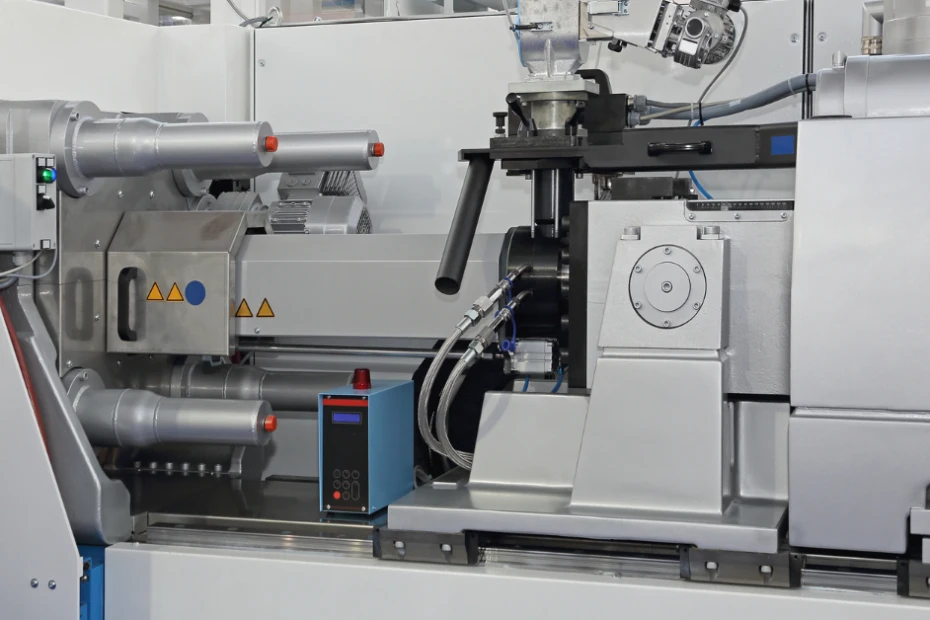

The Role of Packaging Machines in Everyday Operations
Efficient packaging is a basic need in every warehouse or production line. Whether a company handles small products or bulk goods, the right equipment helps save time, reduce waste, and keep items protected. Machines that handle wrapping, sealing, and securing loads have changed how goods are prepared for storage or transport. One of the most common examples is the pallet wrapper, which keeps large loads stable and ready for shipping.
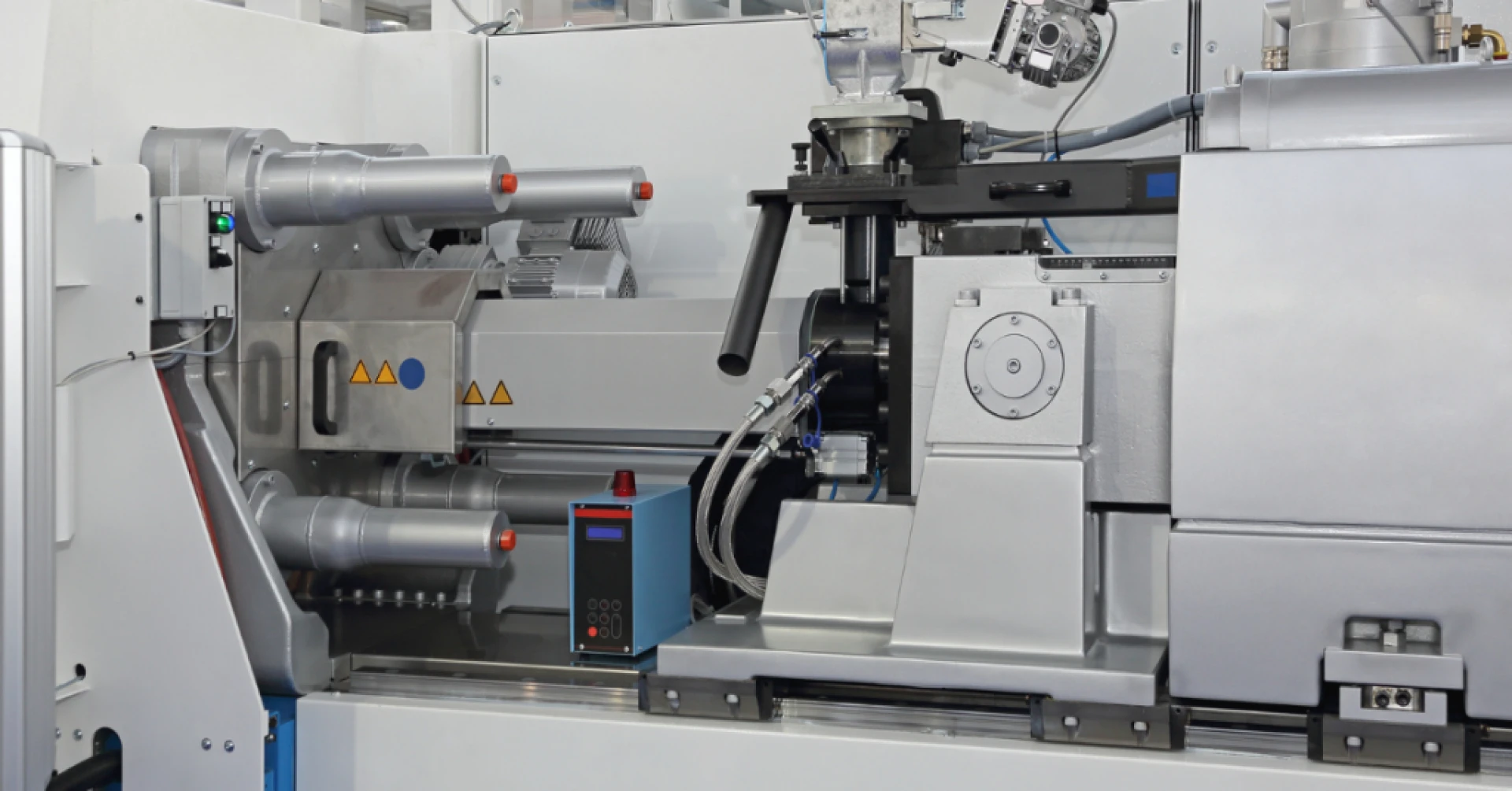
These systems are designed to reduce manual labour and make the process faster. Instead of relying on people to wrap pallets by hand, automated wrapping machines can complete the job quickly and evenly. This not only saves time but also cuts down on film waste and improves consistency. A properly wrapped pallet reduces the risk of damage during transport and helps maintain product quality until it reaches its destination.
Benefits of Using a Pallet Wrapper
A pallet wrapper improves both safety and efficiency in any warehouse. It keeps loads stable, reducing the risk of items shifting or falling during movement. It also helps control packaging costs by applying just the right amount of film needed for each load. For warehouses that deal with high volumes of goods daily, this machine can make a huge difference in overall productivity.
There are different types of pallet wrappers, including semi-automatic and fully automatic options. Semi-automatic machines require some human assistance to start or stop, while fully automatic systems handle the entire process from start to finish. Both improve workplace safety and save time compared to manual wrapping.
In addition to safety, another key advantage is consistency. Each pallet is wrapped the same way every time, which reduces packaging errors and improves appearance for customers or distributors who receive the goods.
The Importance of Reliable Sealing
Every packaged item, whether small or large, needs a proper seal to protect it from dust, moisture, or tampering. A sealing machine provides that finishing touch by closing bags, film, or plastic sleeves securely. These machines are widely used in factories, food packaging plants, and shipping departments because they provide an airtight and reliable closure.
Sealing machines come in many types, such as continuous band sealers, impulse sealers, and heat sealers. Each type serves a specific purpose depending on the product and packaging material. For example, food packaging often needs strong heat seals to preserve freshness, while retail products might need tamper-evident seals to prevent contamination.
Having a reliable sealing process prevents product loss, improves shelf life, and enhances presentation. It also gives customers confidence that the items they receive are untouched and safe.
Why Shrink Wrapping Is Still a Popular Choice
A shrink wrapper is another essential piece of packaging equipment. It works by covering items in plastic film and then applying heat, causing the film to shrink tightly around the product. This type of wrapping is common in retail packaging, where both protection and visibility are important.
Shrink wrapping serves multiple purposes. It keeps products secure, improves presentation, and prevents dust or dirt from reaching the items. It is widely used for everything from bottled beverages to electronics and printed materials. Because the film tightens around the product, it also helps prevent movement and damage during transport.
For manufacturers and distributors, shrink wrapping provides an efficient way to pack multiple products together, making handling and display much easier. It’s simple, cost-effective, and adaptable to different product sizes.
The Role of a Wrapper Machine in Large-Scale Operations
A wrapper machine is a flexible packaging tool that can handle products of various shapes and sizes. These machines can wrap items individually or in groups using stretch or shrink film. In large-scale operations, they are often used to wrap pallets, boxes, or bundles before shipping.
Wrapper machines reduce human error, improve packaging speed, and help maintain uniform wrapping standards. The machines can be adjusted for different film thicknesses and wrapping patterns to suit different product types. This flexibility makes them valuable for manufacturers that package everything from small consumer items to heavy industrial parts.
In addition, many modern machines now include programmable settings that let operators adjust tension, speed, and film overlap. This level of control allows for precise wrapping that balances material use and load security.
Practical Examples of Where These Machines Are Used
Warehouses that handle consumer goods often rely on pallet wrappers to prepare shipments for distribution. Retail packaging companies use shrink wrappers to keep items clean and appealing. In contrast, factories that produce hardware or mechanical parts often depend on sealing machines to protect products from dust or corrosion.
For example, a beverage factory might use a shrink wrapper to package six-packs, while a furniture warehouse could use a pallet wrapper to stabilise large boxes for delivery. A warehouse that packs smaller items, such as cosmetics or electronics, may use both a sealing machine and a wrapper machine to keep products protected and well-presented.
How These Machines Improve Workplace Safety
Manual wrapping and sealing can strain workers physically and take up valuable time. Machines that automate these steps not only improve efficiency but also help prevent injuries caused by repetitive movements or heavy lifting. A pallet wrapper, for instance, allows workers to wrap heavy loads without bending, stretching, or walking in circles around the pallet.
In addition to physical safety, these machines improve workflow. By automating repetitive tasks, workers can focus on quality checks, inventory control, and other tasks that require more attention. This balance between human oversight and machine performance creates a safer and more productive work environment.
Saving Costs Through Automation
One of the main reasons companies invest in packaging machines is cost reduction. Manual wrapping or sealing often wastes materials and requires more labour. Automated systems, on the other hand, use consistent amounts of film and energy, reducing both material waste and human error.
The initial cost of equipment like a wrapper machine or sealing machine may seem high, but the long-term savings make it worthwhile. Businesses benefit from reduced packaging material use, fewer damaged goods, and faster turnaround times.
Automation also makes it easier to maintain packaging standards. Every product is wrapped or sealed the same way, reducing complaints or returns from customers who expect consistent quality.
Adapting to Different Packaging Needs
Packaging needs differ from one industry to another. Some products need protection from moisture, while others require sturdy support for stacking or transport. Machines like pallet wrappers, sealing machines, and shrink wrappers can be adapted for these requirements by changing film types, temperature settings, or wrapping patterns.
For example, a warehouse dealing with perishable goods might use a shrink wrapper to keep moisture out, while a logistics company might prefer a pallet wrapper for stability. Each machine type offers flexibility to handle a range of packaging styles, making them suitable for both small and large operations.
Final Thoughts
Packaging equipment plays a quiet but important role in keeping supply chains moving smoothly. Whether it’s a pallet wrapper, sealing machine, shrink wrapper, or wrapper machine, each tool helps reduce time, improve safety, and maintain product quality. These machines make it possible to prepare goods efficiently, helping businesses meet delivery schedules and maintain customer trust.
































Sign in to leave a comment.