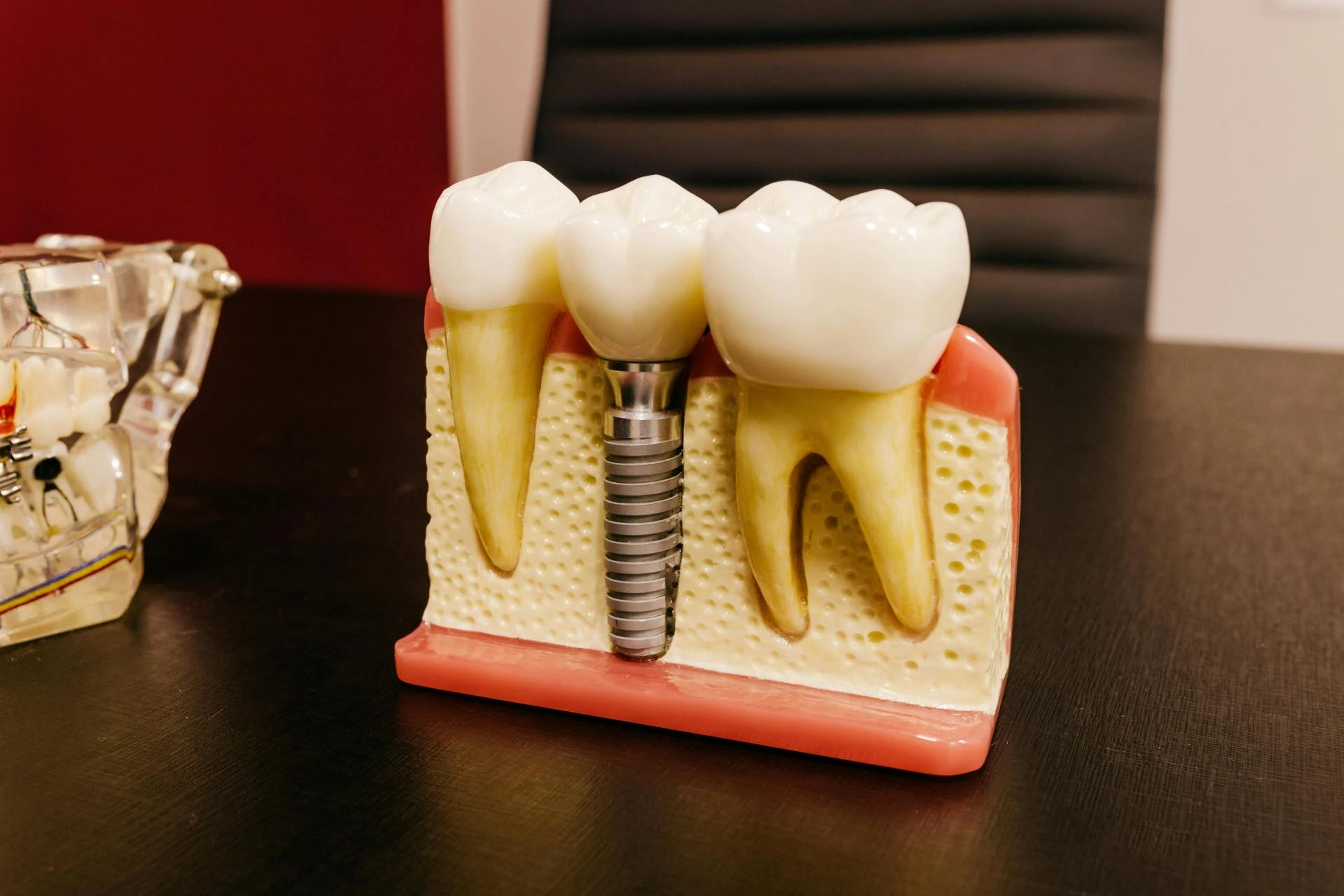

When it comes to replacing a missing tooth, two of the most popular options are single implant philadelphia. The right solution depends on several factors, including oral health, budget, and long-term benefits. A single implant is a titanium post surgically placed into the jawbone, acting as an artificial root for a crown. On the other hand, a dental bridge consists of multiple crowns fused together, relying on adjacent teeth for support. Both options have their advantages and considerations, making it essential to evaluate which suits your specific needs best.
What Are Single Implants?
A single implant offers a long-lasting and natural-looking solution for missing teeth. The implant is placed directly into the jawbone, allowing it to integrate with the bone over time through a process called osseointegration. Once healed, a custom-made crown is attached to the implant, providing a durable and aesthetically pleasing result.
Advantages of Single Implants:
- Preserves Jawbone Health: Since implants stimulate bone growth, they prevent bone loss that typically occurs after tooth loss.
- No Damage to Adjacent Teeth: Unlike bridges, implants do not require modifying healthy neighboring teeth.
- Long-Term Solution: With proper care, implants can last a lifetime, making them a cost-effective option in the long run.
What Are Dental Bridges?
Dental bridges are a non-surgical option that replaces missing teeth by anchoring a false tooth between two natural teeth. The adjacent teeth are shaved down to support the bridge, which is cemented in place.
Advantages of Dental Bridges:
- Faster Treatment: The procedure typically takes a few weeks, while implants require months for healing.
- No Surgery Needed: Ideal for patients who prefer a non-invasive approach.
- Cost-Effective in the Short Term: Generally, bridges have a lower upfront cost compared to implants.
Choosing Between Implants And Bridges
Your choice between single implants and bridges depends on several factors:
- Bone Health: If you have sufficient jawbone density, an implant is ideal. Otherwise, a bridge may be recommended.
- Budget Considerations: While implants have a higher initial cost, they last longer, whereas bridges may need replacement over time.
- Oral Hygiene Needs: Implants function like natural teeth and require standard brushing and flossing. Bridges need extra care to clean around the prosthetic tooth.
For patients missing multiple teeth or entire arches, full mouth dental implants offer a stable and permanent alternative, providing a strong bite and natural aesthetics.
Conclusion
Both single implants and dental bridges provide excellent solutions for replacing missing teeth. If you're looking for a long-term, natural-feeling replacement, an implant is ideal. However, if you need a quicker, non-surgical option, a bridge may be preferable. Consult your dentist to determine the best solution for your unique needs.



























Sign in to leave a comment.