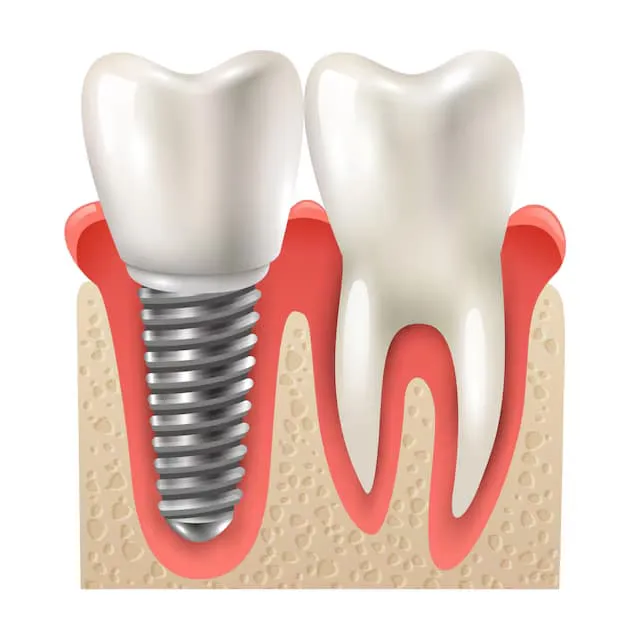

A missing tooth can affect more than appearance. It may influence chewing, speech, confidence, and the way surrounding teeth sit within the mouth. For many people, replacing one missing tooth can restore everyday comfort while helping maintain a balanced smile. Modern dentistry offers several replacement options, but a single tooth implant can provide a stable and natural looking solution when appropriate. It is designed to replace both the visible tooth and its supporting root, helping create a restoration that looks, feels, and functions more like a natural tooth.
Understanding Single Tooth Implants
A single tooth implant is a dental restoration used to replace one missing tooth. The treatment generally involves placing an implant fixture into the jawbone, allowing it to act as an artificial tooth root. Once the area has healed and the implant has integrated with the surrounding bone, an abutment and dental crown can be attached. The crown is carefully designed to match the surrounding teeth in shape, size, and shade, creating a replacement that blends naturally with the existing smile.
How an Implant Replaces a Missing Tooth
A natural tooth consists of a visible crown and a root beneath the gum. Traditional tooth replacement methods may restore the visible portion without replacing the root. An implant approach addresses both aspects by using a small implant fixture within the jawbone. This can provide a secure foundation for the replacement crown. Because the implant is supported by the bone, the finished restoration can offer stability during everyday activities such as eating, speaking, and smiling, provided appropriate treatment and maintenance are followed.
Why Tooth Replacement Matters
Leaving a missing tooth untreated can sometimes create changes in the surrounding mouth. Adjacent teeth may gradually move toward the empty space, potentially affecting alignment and the way the upper and lower teeth meet. A missing tooth can also make chewing less comfortable and may encourage uneven pressure on other teeth. Replacing the tooth can help restore a more complete dental structure. The suitability and timing of treatment depend on individual oral health, bone condition, general circumstances, and the professional assessment provided during consultation.
Protecting the Smile Structure
Replacing a missing tooth can support the overall structure of the smile. When an implant is placed successfully and becomes integrated with the jawbone, it can provide stimulation to the surrounding bone in a way that a removable replacement does not. This may help reduce the changes associated with prolonged tooth loss. However, every patient responds differently, and an implant cannot completely prevent all bone changes. A thorough assessment allows the dental professional to determine whether an implant is suitable and whether additional preparation may be required.
What the Treatment Process Involves
The process for receiving a single implant usually begins with a detailed dental assessment. The clinician may examine the teeth, gums, bite, and jawbone before discussing suitable options. Dental imaging can help evaluate bone levels and the position of important anatomical structures. The treatment plan is then tailored to the individual. If the area has sufficient healthy bone and the surrounding tissues are suitable, implant placement may be planned. If there is inadequate bone or another concern, preparatory treatment may be recommended before the implant procedure.
Implant Placement
During implant placement, the implant fixture is carefully positioned within the jawbone at the location of the missing tooth. The procedure is normally performed using local anaesthesia, helping keep the patient comfortable. After placement, a period of healing is required so that the implant can integrate with the surrounding bone. The length of this stage varies between individuals and depends on factors such as bone quality, healing response, and the complexity of treatment. The dental team provides specific instructions to support recovery and protect the developing implant site.
Adding the Abutment and Crown
Once the implant has sufficiently healed, the next stage involves attaching an abutment, which connects the implant fixture to the dental crown. Impressions or digital scans may be used to create a restoration that fits accurately within the existing smile. The crown is then produced according to the planned shape, size, and shade. Careful attention to these details can help the finished tooth appear natural. When the restoration is fitted, the clinician checks its position, appearance, and bite to ensure appropriate comfort and function.
Creating a Natural Looking Result
One of the main advantages of implant treatment is the opportunity to create a replacement tooth that blends with the surrounding smile. The crown can be designed to complement the colour, proportions, and contours of nearby teeth. The gum line is also considered because the position of the restoration can influence how natural the result appears. Good planning is therefore important. The aim is not simply to fill an empty space, but to create a restoration that fits harmoniously with the patient's facial appearance and existing dental features.
Matching Shape and Shade
Every person's teeth have individual characteristics, so a replacement crown should not appear noticeably different from neighbouring teeth. The dental team may assess tooth shade, translucency, width, length, and overall shape when planning the restoration. Digital technology and modern dental materials can assist with accurate design and fabrication. Although an implant crown is artificial, careful customisation can make it difficult to distinguish from natural teeth. The final appearance also depends on factors such as gum health, tooth position, bite, oral hygiene, and the quality of the surrounding dental tissues.
Benefits of Choosing an Implant
A single implant can offer several practical benefits for suitable patients. It provides a fixed replacement rather than a removable appliance and can help restore chewing ability in the area of the missing tooth. Because neighbouring teeth generally do not need to be reduced to support the crown, the treatment can preserve more of the existing tooth structure than some traditional alternatives. An implant may also contribute to maintaining the structure of the jawbone. However, benefits vary according to individual circumstances, and no treatment is appropriate for every patient.
Comfort and Everyday Function
A well planned implant restoration can become a stable part of everyday dental function. Unlike a removable replacement, it is secured within the mouth and does not need to be taken out for routine activities. Patients can generally eat, speak, and smile without having to manage a removable appliance. As with natural teeth, the restoration requires proper care. It is important to remember that an implant does not make the mouth immune to gum disease or other dental problems, so consistent oral hygiene and professional dental care remain essential.
Who May Be Suitable for Treatment
Suitability for a single implant depends on several factors rather than age alone. Healthy gums, sufficient jawbone, good oral hygiene, and appropriate general health can all contribute to successful treatment. A dental professional will also consider the location of the missing tooth, the condition of surrounding teeth, bite forces, and the patient's ability to maintain the restoration. Some individuals may require additional treatment before implant placement. A detailed assessment is therefore important because it allows potential challenges to be identified and addressed before treatment begins.
When Bone Preparation May Be Needed
Some patients who have experienced tooth loss for a significant period may have reduced bone volume in the area. This can make implant placement more challenging because the implant needs adequate bone support. Depending on the circumstances, a bone graft or another preparatory procedure may be considered. Such treatment can increase the overall timeline, but it may help create a more suitable foundation for an implant. The dental professional can explain whether bone preparation is necessary and discuss the expected stages, healing period, and alternatives available.
Caring for a Single Tooth Implant
An implant restoration should be cared for with the same commitment given to natural teeth. Daily brushing helps remove plaque from the teeth and gum line, while suitable interdental cleaning can help maintain the tissues surrounding the implant. Regular dental examinations allow the condition of the implant, crown, gums, and neighbouring teeth to be monitored. Professional cleaning may also be recommended depending on individual needs. Good oral hygiene is particularly important because inflammation around an implant can affect the tissues that support it.
Habits That Support Implant Health
Several everyday habits can contribute to the long term health of an implant. Patients should follow the oral hygiene routine recommended by their dental professional and attend regular checkups. Smoking can negatively affect healing and oral health, so professional advice may be particularly important for individuals who smoke. Excessive pressure from habits such as biting hard objects should also be avoided. A balanced diet and consistent dental care can further support general oral health. If discomfort, swelling, bleeding, looseness, or changes in the restoration occur, professional advice should be sought promptly.
Comparing an Implant With Other Options
A missing tooth can be replaced in different ways, including dental bridges and removable partial dentures. Each option has advantages and limitations, so the most appropriate choice depends on the individual's dental condition, preferences, budget, and long term goals. An implant can provide independent support for a replacement tooth, while a bridge generally relies on neighbouring teeth for support. A removable denture can replace one or several missing teeth but may require removal for cleaning. A detailed consultation helps patients understand these differences before making an informed decision.
The Importance of Individual Planning
There is no single treatment approach that suits every missing tooth case. Factors such as bone density, gum health, tooth position, bite, aesthetic expectations, and existing restorations can all influence the recommended plan. The dental professional should explain the benefits, limitations, potential risks, treatment stages, and expected maintenance requirements. This gives the patient an opportunity to make a considered choice. Taking time to understand the process can also help establish realistic expectations regarding healing, appearance, function, and the longevity of the finished restoration.
Maintaining Confidence After Tooth Loss
A missing tooth can affect confidence, particularly when it is visible during speaking or smiling. A carefully planned replacement may help people feel more comfortable in social and professional situations. Restoring the appearance of a complete smile can also encourage individuals to smile more naturally and participate in everyday activities without worrying about an obvious gap. The psychological benefits of tooth replacement can therefore be meaningful. However, the primary goal remains restoring oral function and supporting dental health, with cosmetic improvement forming an important part of the overall treatment outcome.
Questions Patients May Have
Patients considering implant treatment often want to know how long the process takes, whether the procedure is painful, how long the restoration can last, and how closely the replacement tooth will resemble a natural tooth. The answers depend on individual circumstances. Healing time, bone condition, surgical complexity, oral hygiene, and general health can all influence the treatment journey. A professional consultation provides more reliable information than general estimates because the clinician can evaluate the specific situation and explain the expected stages in detail.
Understanding the Investment
The cost of replacing one tooth can vary according to the complexity of treatment and the type of restoration required. Additional procedures, such as bone preparation, may influence the overall investment. Patients should consider more than the initial price when comparing treatment choices. Factors such as durability, maintenance, appearance, comfort, and the effect on neighbouring teeth can all be relevant. A clear treatment plan should explain the costs associated with each stage so that the patient can understand the proposed care before deciding how to proceed.
Conclusion
A missing tooth does not have to define the appearance or function of a person's smile. A carefully planned implant can provide a stable replacement that supports chewing, complements surrounding teeth, and helps restore confidence. Success depends on careful assessment, suitable bone and gum health, precise treatment planning, professional placement, and consistent aftercare. For individuals considering tooth replacement, discussing personal needs with an experienced dental professional can help identify the most appropriate solution. Hale Dental and Implant Clinic can be considered when exploring professional guidance for a natural looking single tooth replacement and personalised dental care.




























Sign in to leave a comment.