
In the ever-evolving world of construction, the importance of reliable and efficient fastening solutions cannot be overstated. Among the myriad options available, the sleeve anchor bolt stands out as a crucial component in modern construction projects. This versatile fastener is designed for anchoring into concrete, brick, and block, playing a pivotal role in ensuring the structural integrity and safety of buildings and other structures.
Design and Functionality
A sleeve anchor bolt consists of a cylindrical sleeve, an expansion bolt, and a nut and washer. The sleeve expands as the bolt is tightened, creating a tight fit within the pre-drilled hole in the masonry or concrete base. This expansion provides the necessary friction and grip to hold the bolt securely in place, distributing the load evenly across the material.
The unique design of the sleeve anchor allows it to accommodate slight irregularities in the hole, providing a more forgiving installation compared to other fasteners. This adaptability makes it an ideal choice for applications where precision cannot be guaranteed or where substrates may be slightly uneven or brittle.
Versatility and Applications
One of the sleeve anchor bolt's most significant advantages is its versatility. Available in various sizes and materials, including zinc-plated steel, stainless steel, and even lead, sleeve anchors can be tailored to meet the specific requirements of each project. Whether it's securing heavy machinery, attaching structural supports, or mounting electrical equipment, the sleeve anchor bolt can handle a range of tasks that require robust fastening.
In construction, sleeve anchors are commonly used to fasten metal frames, wooden beams, and façade elements to concrete walls or floors. They are also essential in retrofitting and renovation projects, where adding new elements to existing structures is required. The ability of sleeve anchors to be installed close to the edge of a concrete slab without causing cracking or spalling is particularly valuable in these contexts.
Installation Considerations
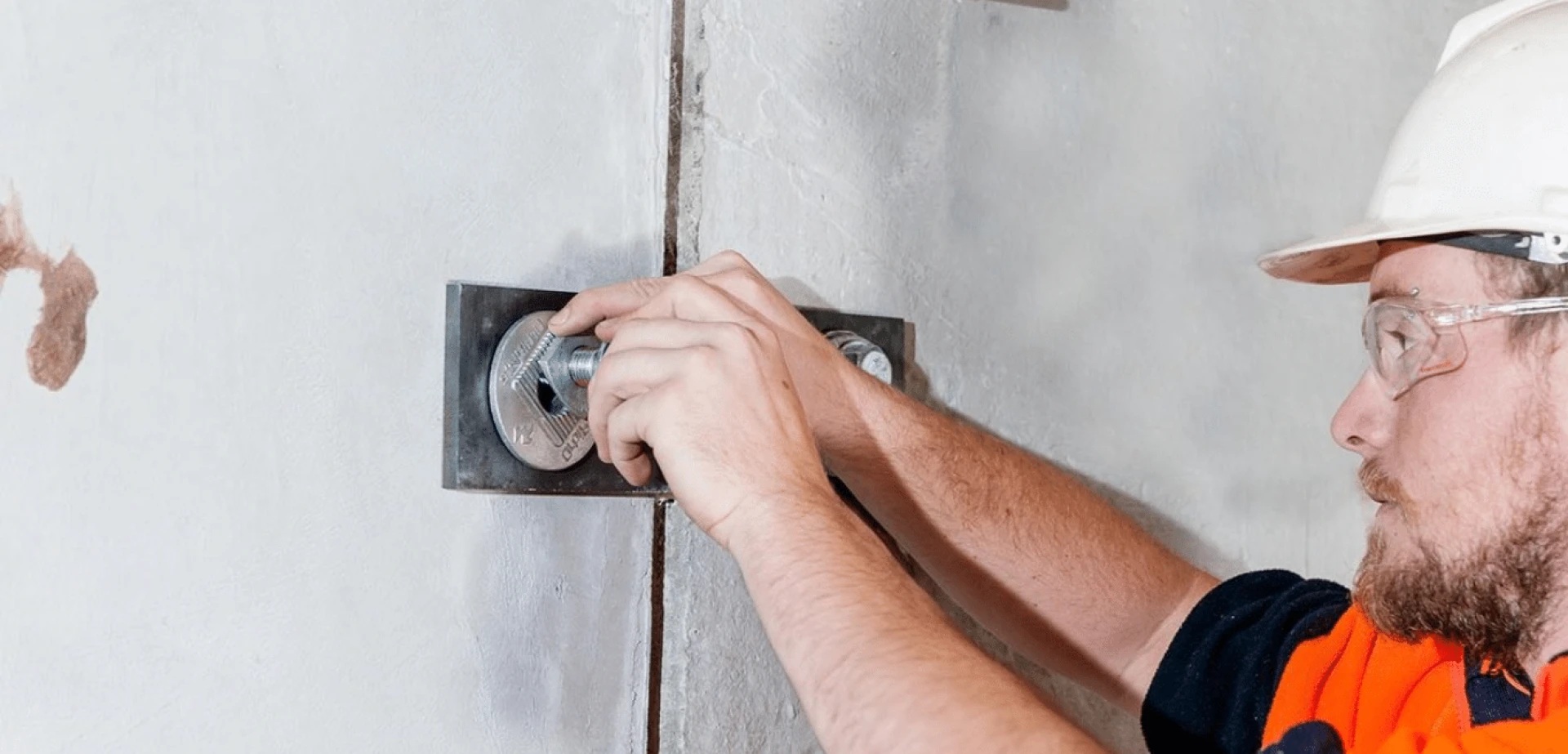
Despite their apparent simplicity, the correct installation of sleeve anchors is crucial for their performance. The hole must be drilled to the precise diameter and depth specified for the anchor being used. Any debris in the hole must be thoroughly cleaned out to ensure proper expansion and grip. The anchor must be inserted until it is flush with the surface, and the nut must be tightened to the specified torque, which varies depending on the anchor's size and the substrate's nature.
It is also essential to consider environmental factors such as moisture and chemical exposure, especially when selecting the material of the sleeve anchor. For instance, stainless steel anchors are preferred in outdoor environments or where there is potential contact with chemicals, as they offer superior corrosion resistance.
Safety and Reliability
The reliability of sleeve anchors comes from their ability to maintain a secure hold even under dynamic loads and vibrations, making them suitable for high-traffic areas and machinery installations. However, like all fastening systems, regular inspections and maintenance are necessary to ensure ongoing safety and performance, particularly in environments subject to cyclic loading or extreme conditions.
Summing up, the sleeve anchor bolt is more than just a fastener; it is a fundamental component that enhances the safety, reliability, and efficiency of contemporary construction projects. Its design allows for use in a variety of applications, ensuring stability and strength in the structural elements of buildings.










Sign in to leave a comment.